Explore Northumberland’s Coast and Villages
Northumberland’s coast runs from the sandy beaches around Cresswell and Druridge Bay north towards Berwick-upon-Tweed and the Scottish border. A large part of this coastline lies within the Northumberland Coast National Landscape, which includes dunes, rocky headlands, tidal flats, islands and historic villages.
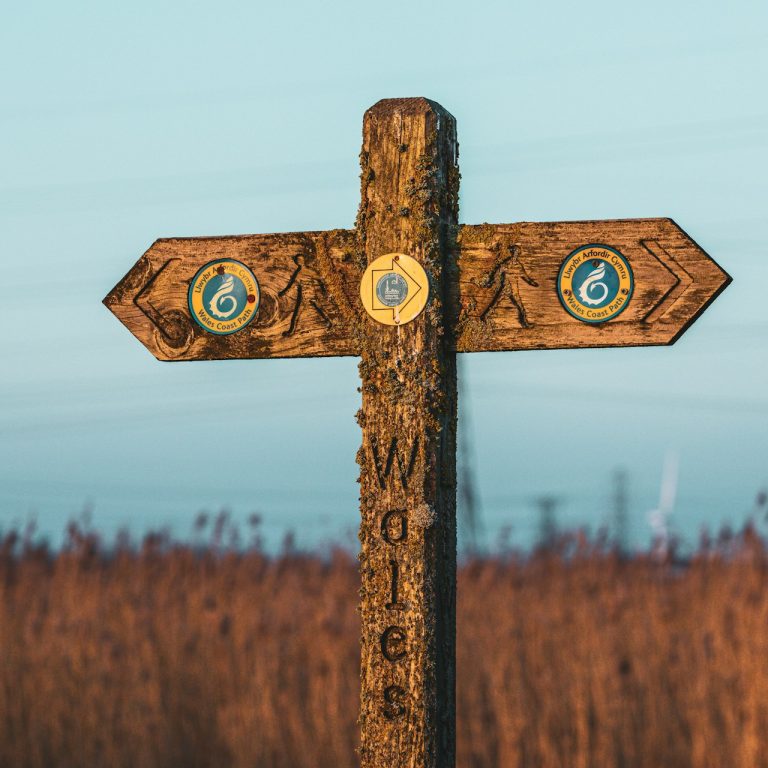
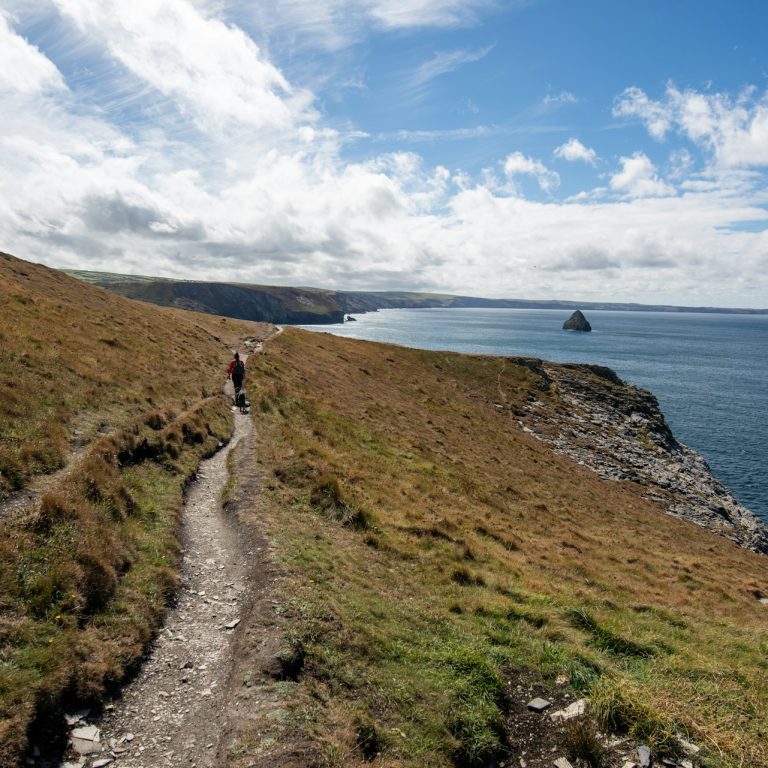
The Northumberland Coast Path provides a good way to explore it on foot. The route covers around 60 miles between Cresswell and Berwick, passing beaches, castles, harbours and villages along the way. Shorter sections make easy days out, including walks between Seahouses and Bamburgh or around Craster and Dunstanburgh.
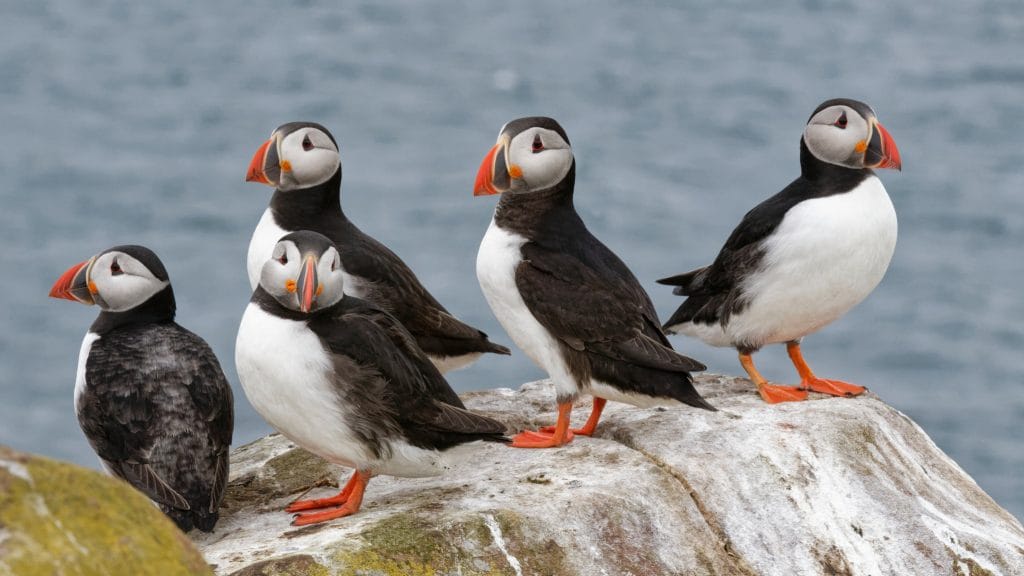
The coast is also known for its wildlife. Grey seals live around the Farne Islands, while seabirds gather there in large numbers during the breeding season. Lindisfarne National Nature Reserve is another important area for birds, particularly waders and wildfowl.
Castles, Islands and Coastal Villages
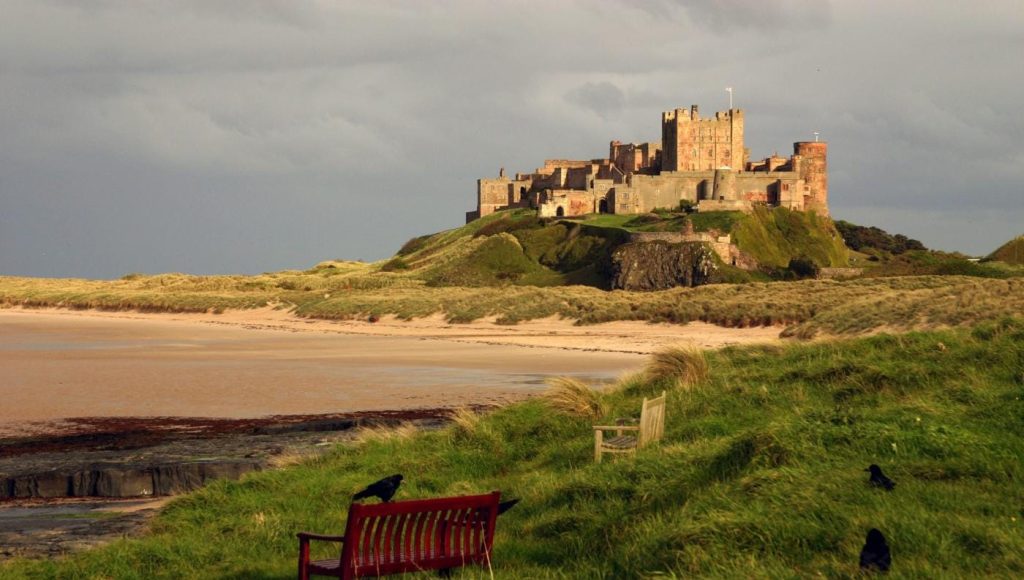
Bamburgh Castle is one of Northumberland’s most recognisable landmarks, standing above the beach and dunes on the northern coast. A few miles south, Seahouses has a working harbour and is the main departure point for boat trips to the Farne Islands. The village also has shops, pubs and fish and chip restaurants, making it one of the busier places to stay along this part of the coast.
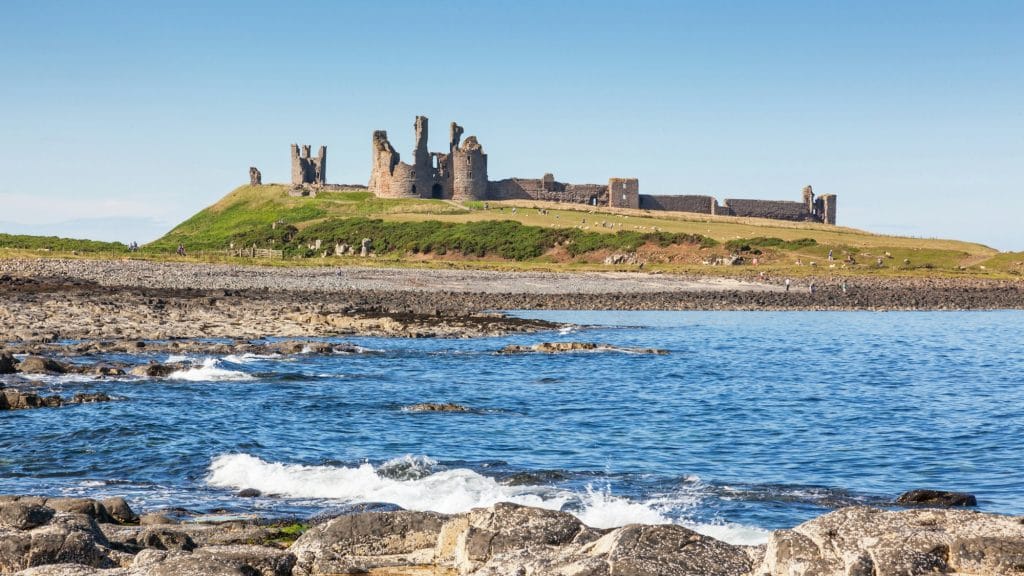
Beadnell is immediately south of Seahouses and is particularly popular for watersports, with kayaking, paddleboarding and windsurfing among the activities available around Beadnell Bay. Continue south and you reach Low Newton-by-the-Sea and Embleton Bay, where Dunstanburgh Castle can be seen further along the coast.
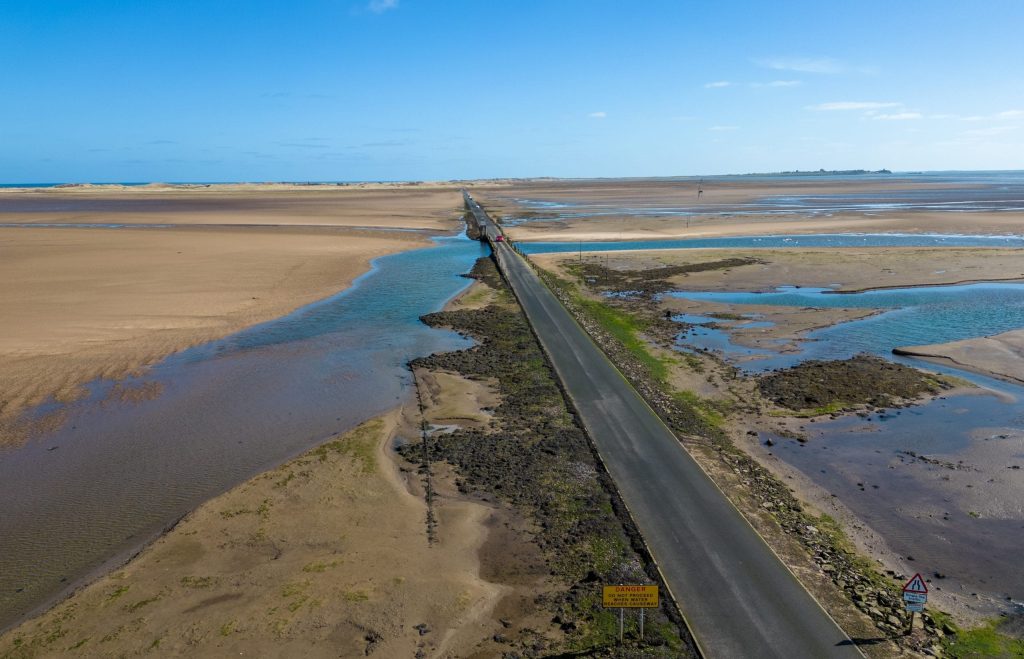
Holy Island is another popular day out. The island is reached by a tidal road causeway, so crossing times must be checked carefully before travelling. Further inland, Alnwick Castle and The Alnwick Garden can be combined with a day away from the beach, while Berwick-upon-Tweed has historic town walls and a harbour at the mouth of the River Tweed.
If you’re deciding which part of the coast to stay in, our guide to Northumberland’s coastal villages looks at some of the main places to visit, including their beaches, local attractions and things to do.
Coastal Cottages and Sea View Holidays in Northumberland
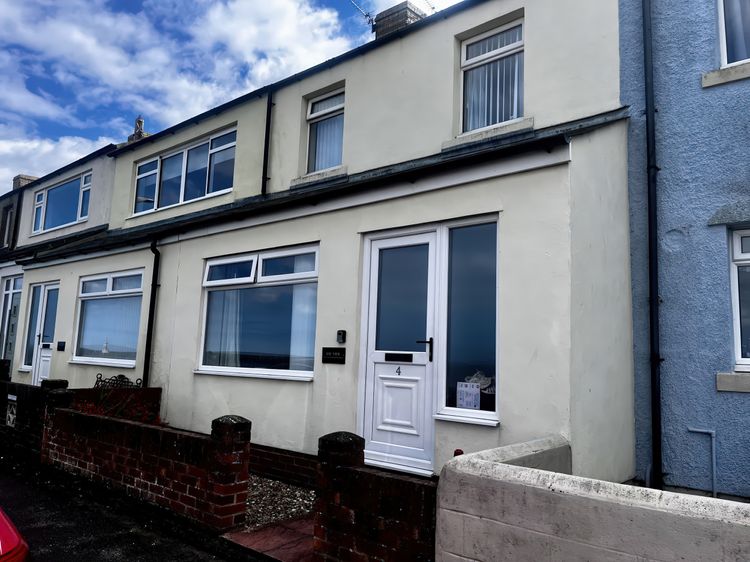
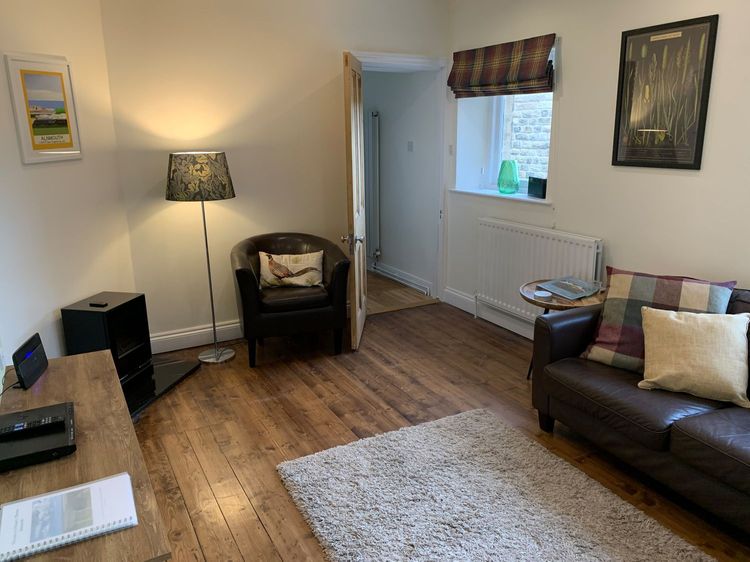
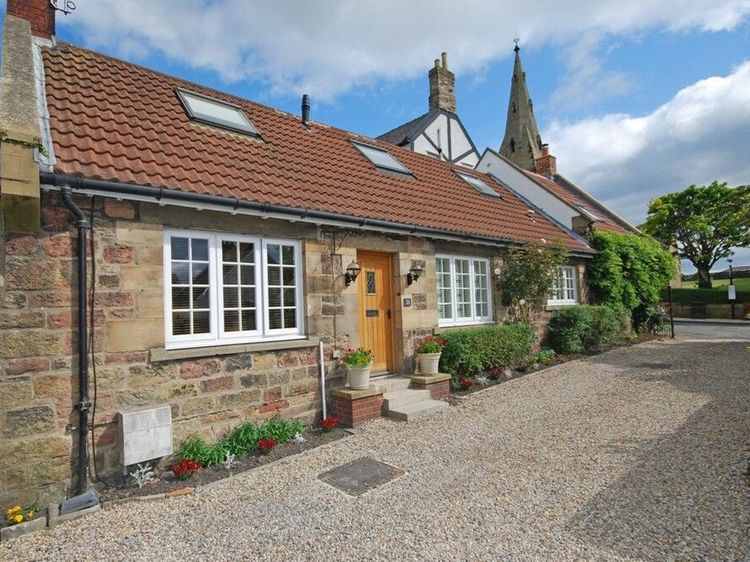
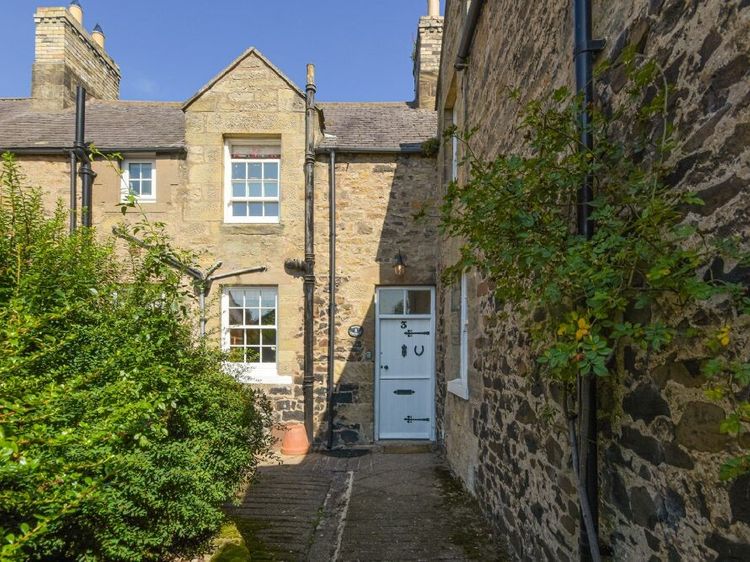
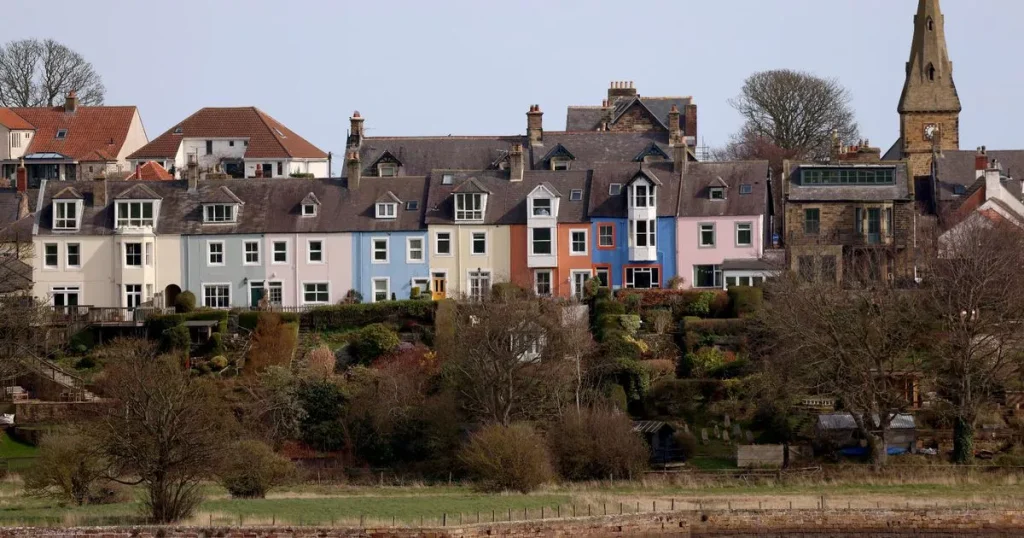
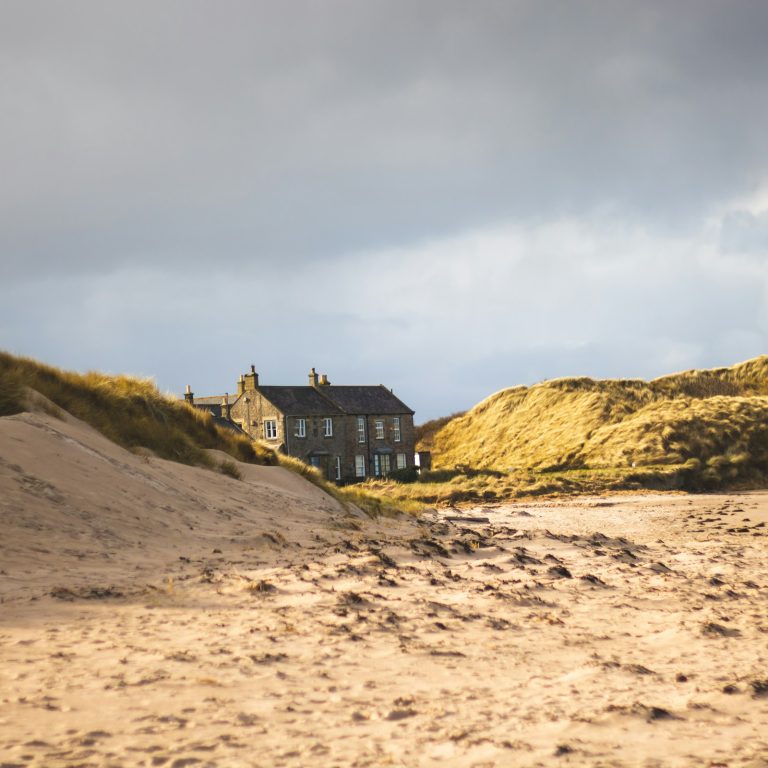
A cottage in one of Northumberland’s coastal villages can put beaches and walking routes within easy reach. Around Bamburgh and Beadnell there are traditional cottages alongside newer holiday homes, while Seahouses has houses and apartments close to its harbour and amenities. Alnmouth and Amble provide further choices towards the southern end of the coast.
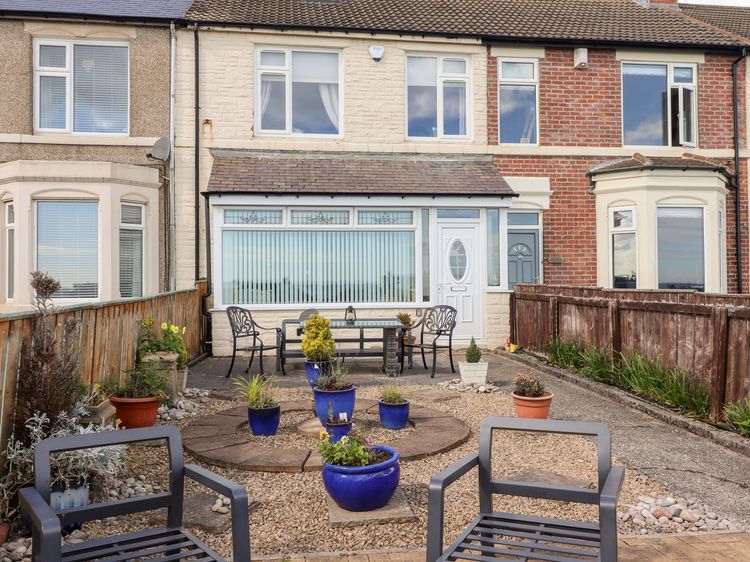
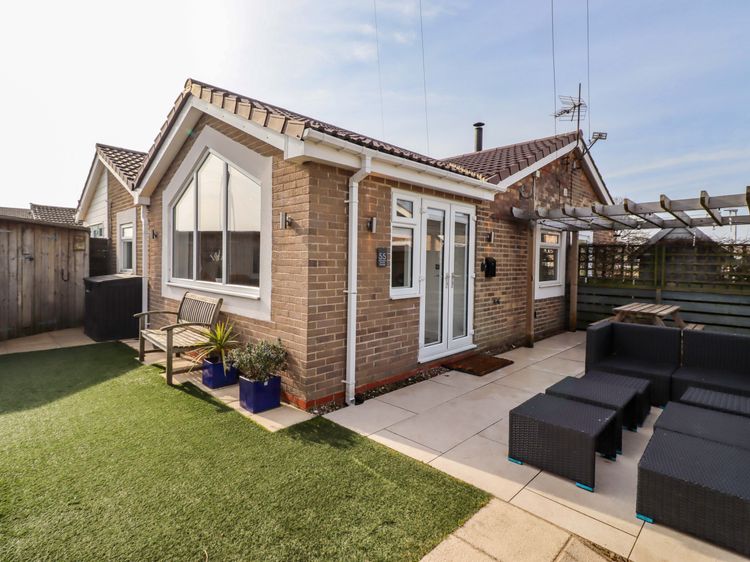
If you’re travelling as a couple, a smaller cottage or sea view apartment may be all you need. Families often have different priorities, such as an enclosed garden, private parking and enough room for muddy boots, wetsuits and beach equipment. Some properties sit directly beside the coast, with beachfront locations and direct beach access available in selected areas.
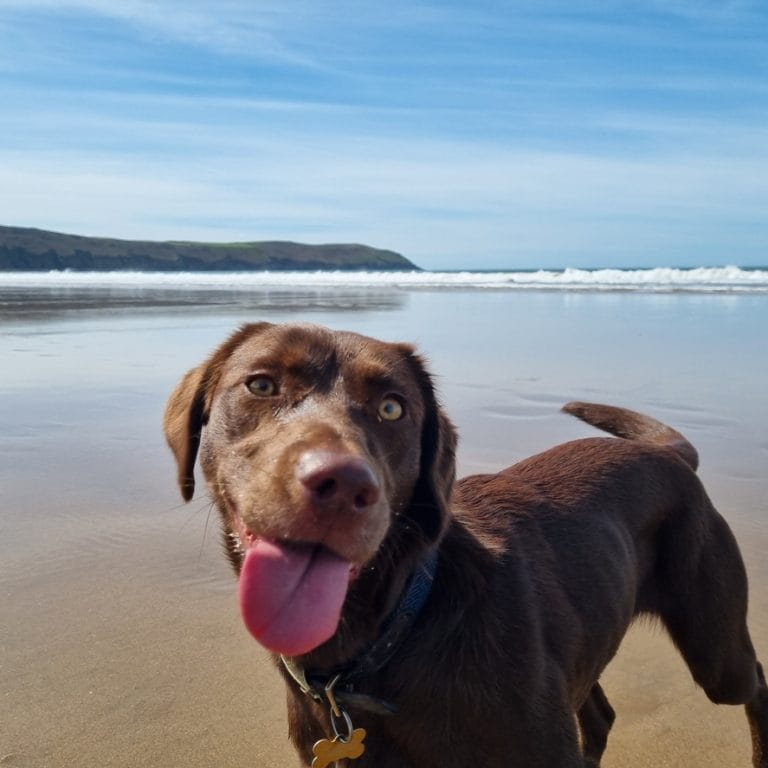
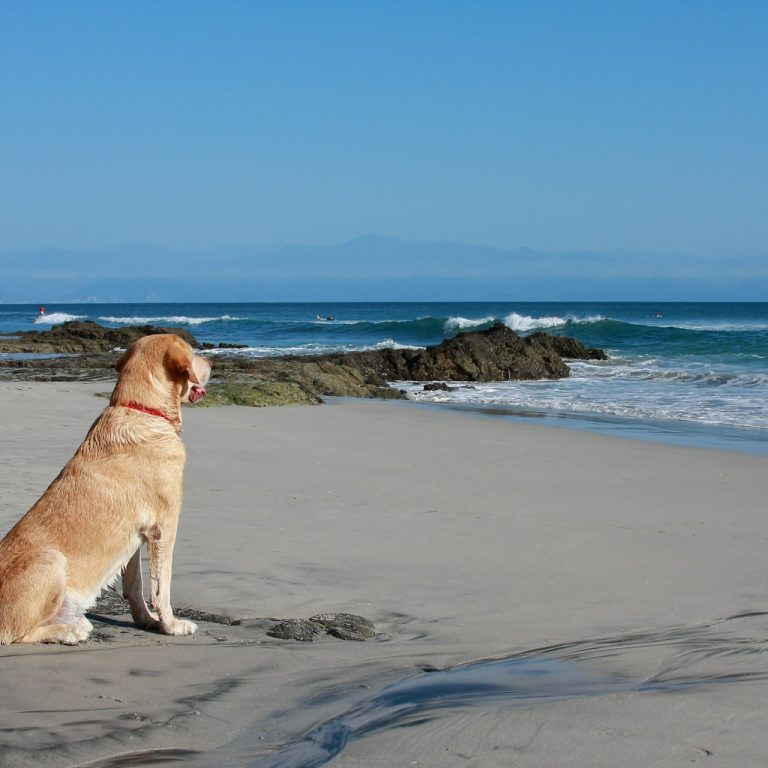
Northumberland also works particularly well for holidays with a dog. Dogs are allowed on most of the county’s beaches throughout the year, so choosing a dog-friendly cottage can give you plenty of places for walks without having to drive somewhere different each day.
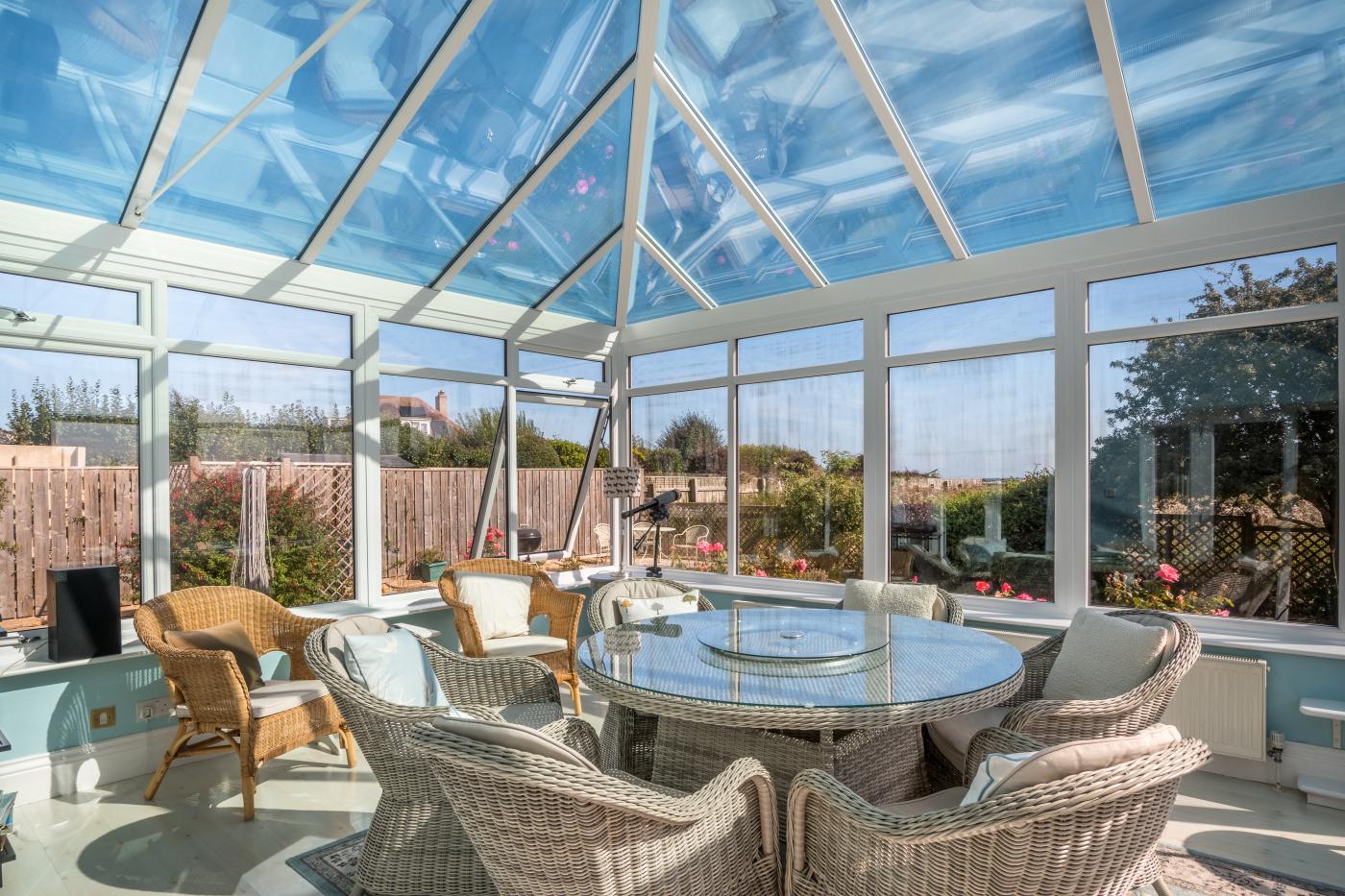
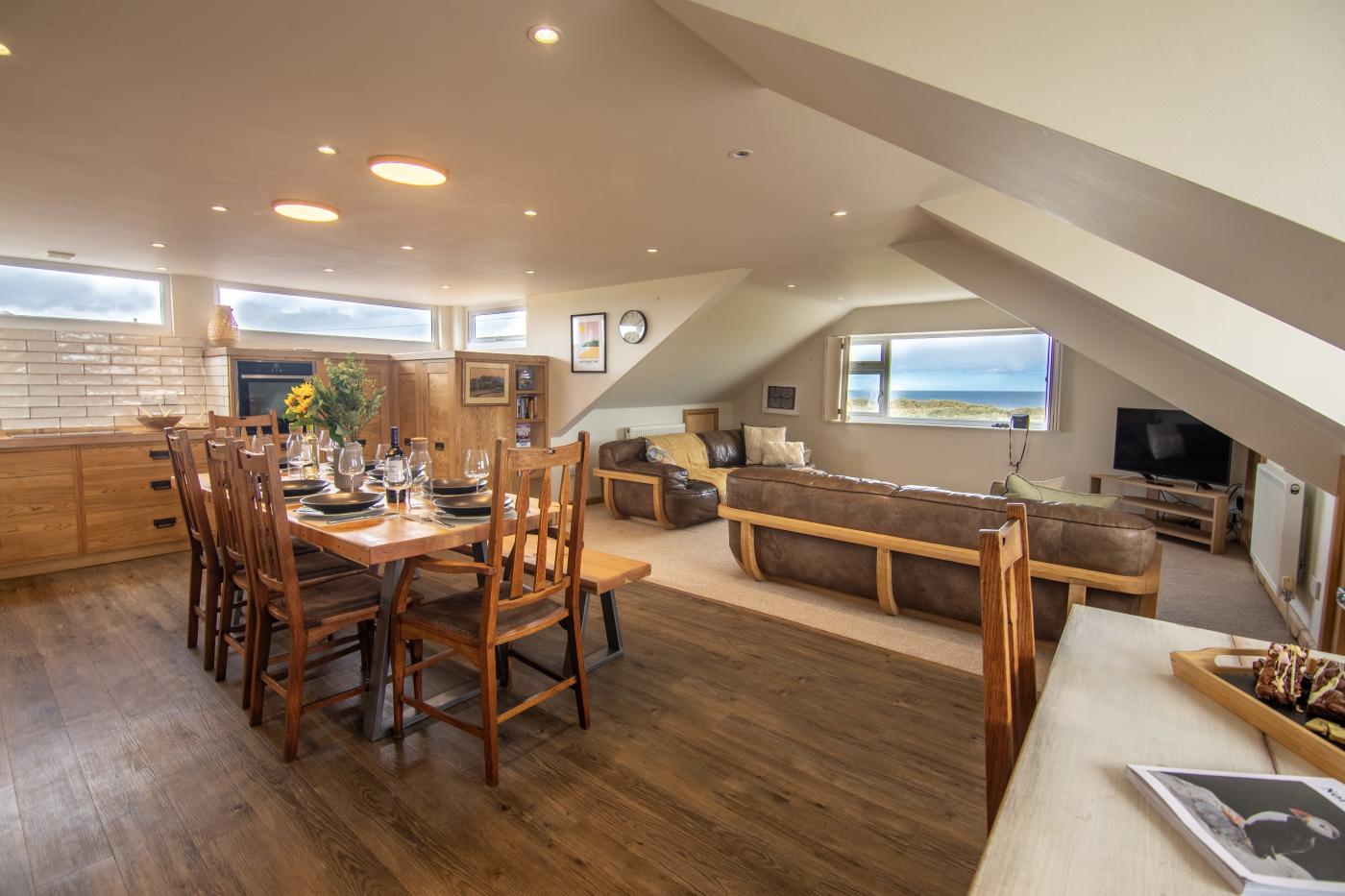
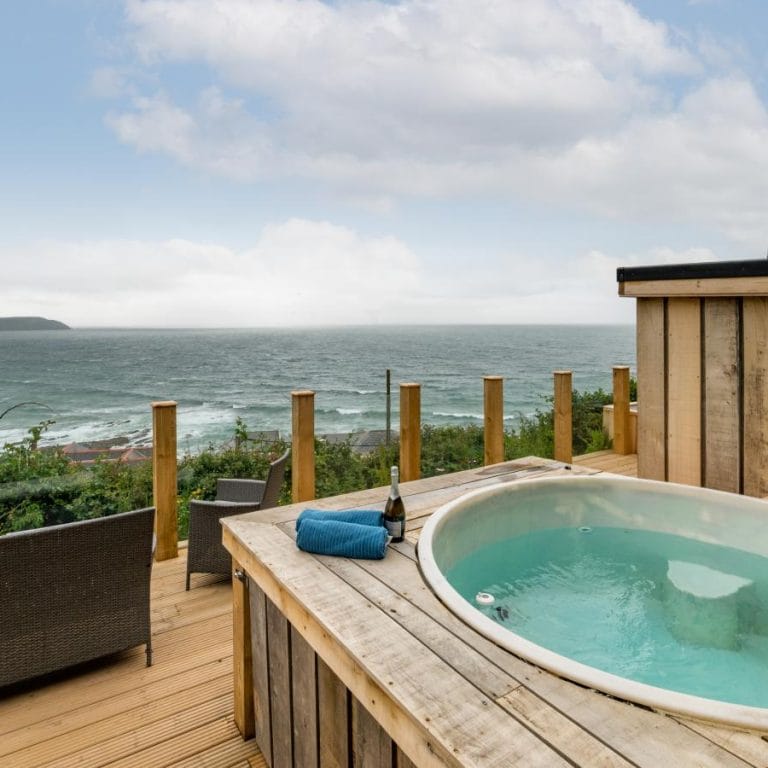
For bigger gatherings, there are large coastal houses with multiple bedrooms, several bathrooms and generous dining areas. Sea view cottages can include balconies and terraces overlooking the coast, while some holiday homes have private hot tubs. Rather than choosing on one feature alone, it is worth considering how close you want to be to the beach, village shops and the places you plan to visit.
Bamburgh, Embleton Bay and Other Northumberland Beaches
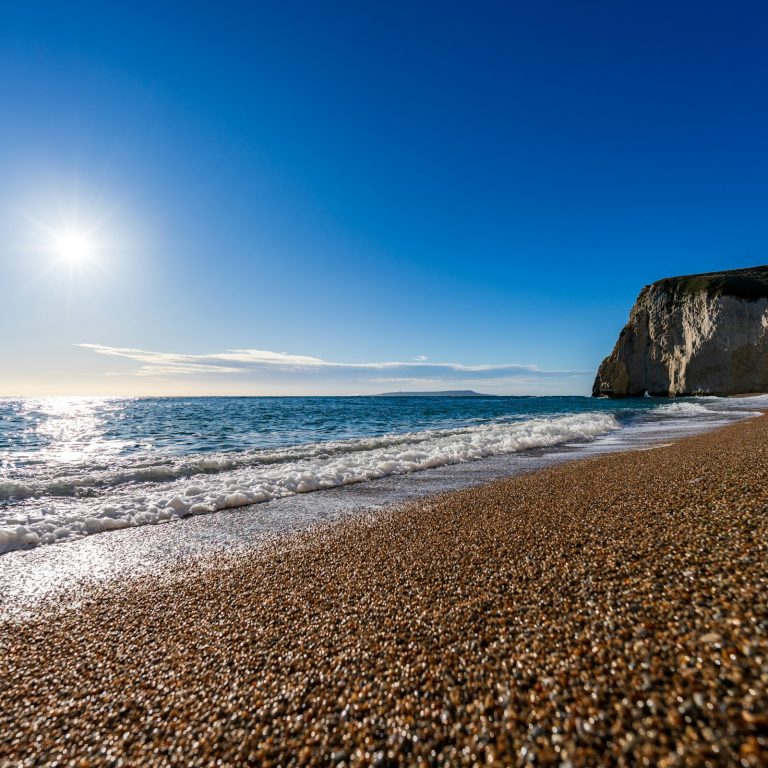
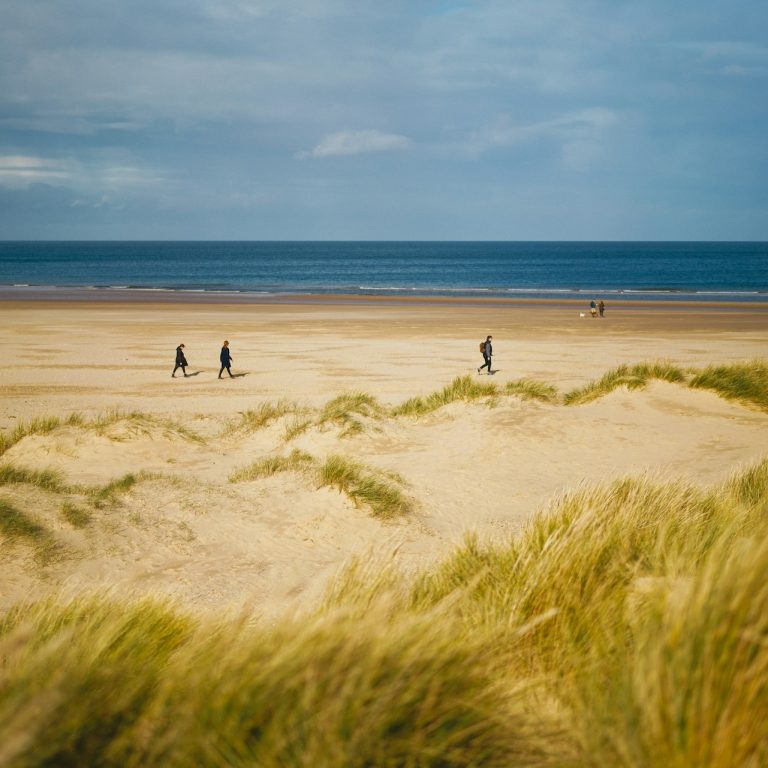
Bamburgh Beach is a broad sandy beach backed by dunes, with the castle overlooking the shoreline. From here, beaches continue towards Seahouses, and it is possible to walk approximately three miles along the sand between the two villages.
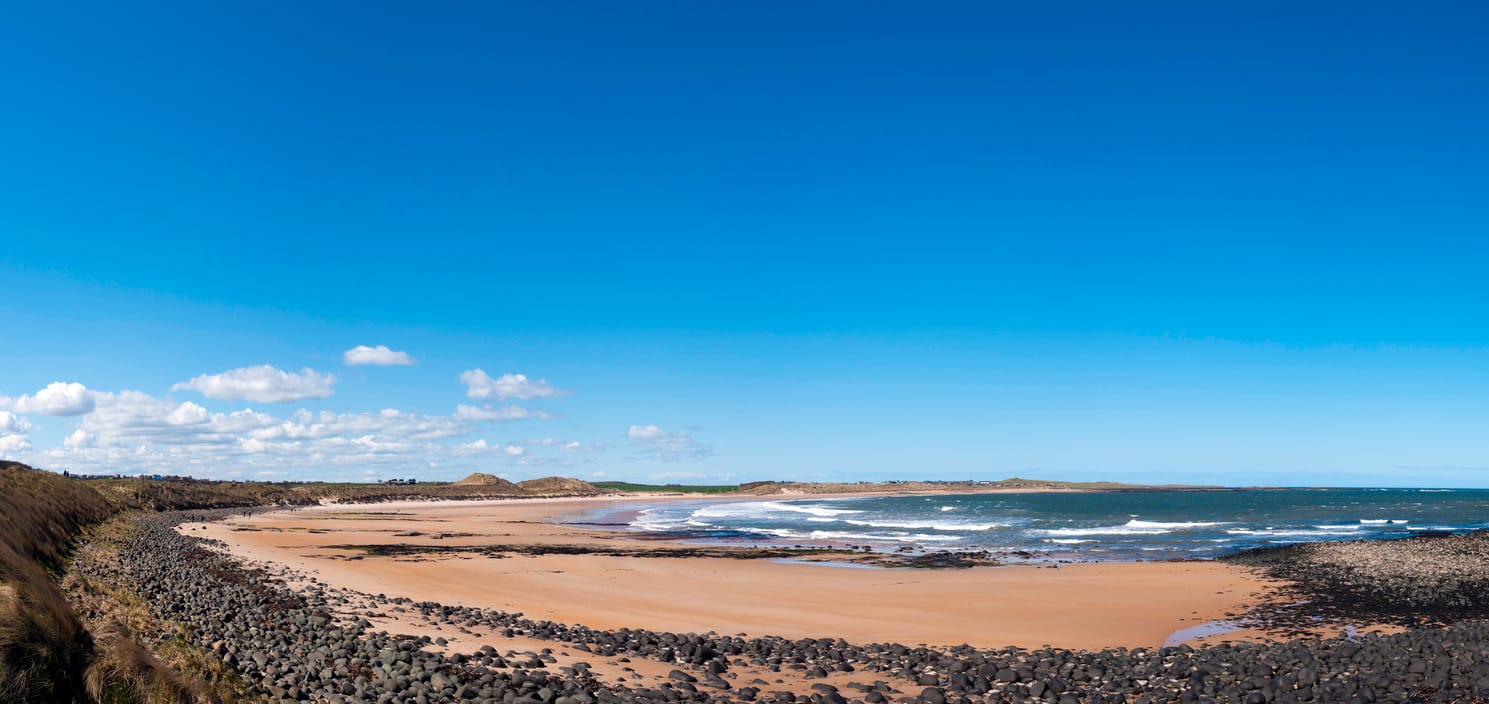
Beadnell Bay has another large sandy beach, curving around a sheltered bay south of the village. Its protected waters help make it one of the county’s main locations for watersports. Further south, Embleton Bay combines a long sandy beach with views towards the ruins of Dunstanburgh Castle.
Druridge Bay is different again. The beach extends for around seven miles between Amble and Cresswell, with dunes and wildlife-rich areas behind the shore. Alnmouth has a sandy beach beside the mouth of the River Aln, while Warkworth Beach provides another extensive stretch of sand further south.
At the northern end of the county, beaches around Budle Bay and the Lindisfarne National Nature Reserve have fewer traditional seaside facilities but are particularly important for wildlife. Many Northumberland beaches have relatively little development, so cafés, toilets and shops may be in the nearest village rather than directly beside the sand.
One advantage for dog owners is that most beaches along the Northumberland coast welcome dogs throughout the year. Local signs should still be checked, particularly around nature reserves, livestock and sensitive wildlife areas.