

Trusted source of coastal cottages for over 10 years

Professionally managed and regularly inspected

Book securely with the property manager
Suffolk has plenty of beaches where you can enjoy a day out with your dog. From the sandy shores of Southwold and Walberswick to the quieter shingle beaches around Dunwich and Aldeburgh, there are coastal walks for every season. Some beaches welcome dogs throughout the year, while others have restrictions during the summer months.
We’ve put together a guide to eight dog-friendly beach areas in Suffolk, including information about facilities, parking, seasonal restrictions and nearby walking routes. If you’re planning a longer break, our collection of dog-friendly cottages in Suffolk includes places to stay near many of these coastal destinations.

1. Southwold Beach
Southwold is one of Suffolk’s best-known seaside towns, with a sandy beach, colourful beach huts, a pier and a promenade. There are plenty of cafés, pubs and independent shops close to the seafront, making it an easy place to spend a full day.
Dog restrictions: Dogs are not allowed on the main beach between 1 April and 30 September, from the northern end of the beach huts to Gun Hill Café. Outside this period, dogs can use this section again. Dogs must be kept on leads along the promenade.
During summer, head south beyond Gun Hill Café towards the Denes, where dogs are allowed on the beach throughout the year. You can also walk towards Southwold Harbour, with paths beside the River Blyth and views across to Walberswick.
Parking is available around the town and seafront, although spaces can be difficult to find during busy summer weekends. Public toilets, cafés and shops are all within walking distance.
For a longer stay, browse our dog-friendly cottages in Southwold, including properties near the beach and harbour.
2. Walberswick Beach
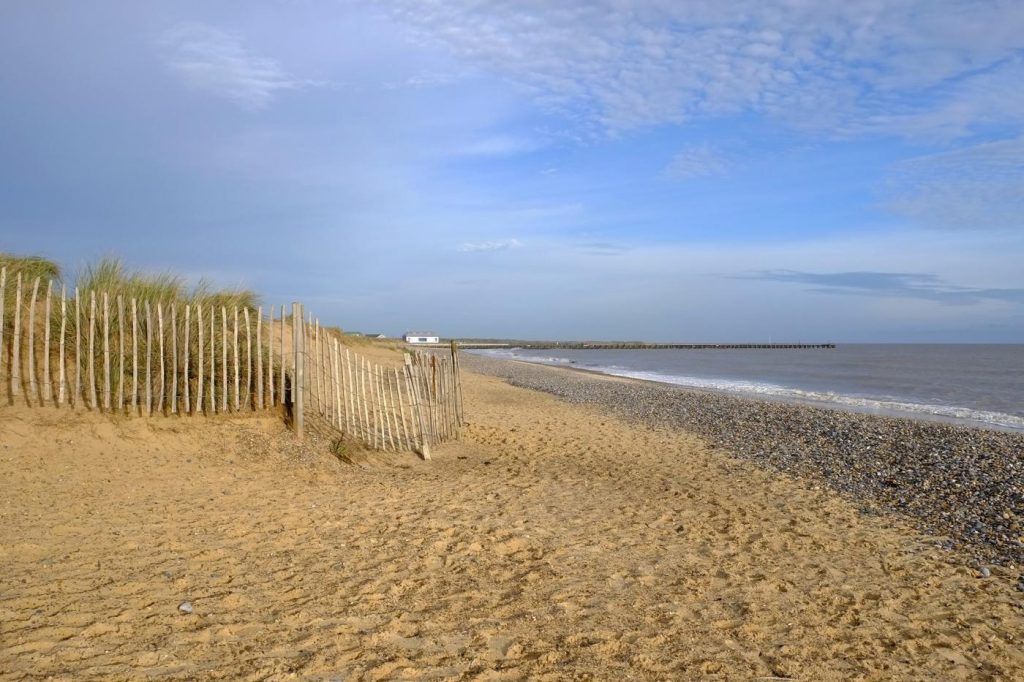
Walberswick is just across the River Blyth from Southwold, but the beach is noticeably quieter. A broad stretch of sand and shingle is backed by dunes, with the village, cafés and pubs a short walk inland.
Dog restrictions: Dogs are welcome on Walberswick Beach throughout the year. This makes it particularly popular during summer when Southwold’s main beach has restrictions. Keep dogs under close control around the dunes and nearby nature reserves, particularly during the bird nesting season.
You can walk along the beach towards the river mouth or follow paths through the surrounding marshes and heathland. A seasonal foot ferry connects Walberswick with Southwold Harbour, although it’s worth checking operating times before travelling.
There is parking near the village and beach, with public toilets and places to eat nearby. The beach is reached on foot, with sandy paths through the dunes.
If you’re deciding between Walberswick, Southwold and other destinations, our guide to Suffolk’s coastal towns and villages covers more places worth exploring along this stretch of coastline.
3. Dunwich Beach
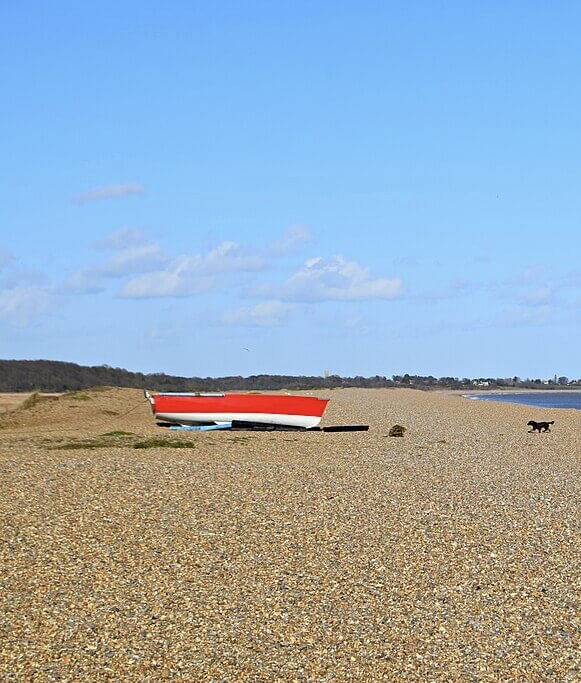
Dunwich has a long shingle beach backed by heathland, marshes and woodland. There are no traditional seaside attractions here, but there is plenty of room for walking and several paths leading into the surrounding countryside.
Dog restrictions: Dogs are allowed on Dunwich Beach all year round. However, the nearby heathland and nature reserves contain sensitive wildlife habitats, so dogs may need to be kept on leads in designated areas. Always follow local signs, particularly during the bird nesting season.
One popular walk follows the beach towards Dunwich Heath, where paths continue through coastal vegetation and woodland. You can also explore the village, which has a small museum telling the story of the medieval town that was gradually lost to coastal erosion.
Parking is available near the beach, and the nearby beach café provides refreshments. Public toilets are also available. The beach is predominantly shingle, so sturdy footwear is recommended.
Dunwich is particularly appealing if you’re looking for a longer coastal walk without the busy promenade and attractions found in Suffolk’s larger seaside towns.
4. Aldeburgh Beach
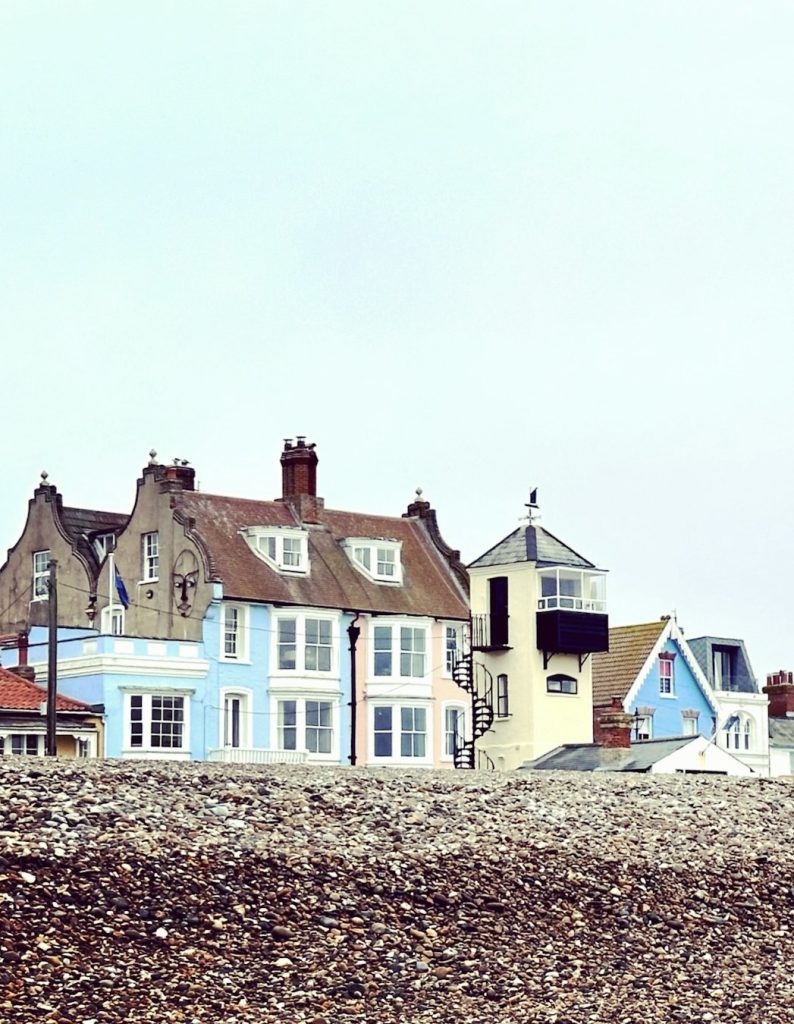
Aldeburgh is a seaside town with a long shingle beach, traditional fishing boats and plenty of independent shops and restaurants. The beach runs directly alongside the town, making it convenient for shorter walks and seaside stops.
Dog restrictions: Seasonal restrictions apply to the designated central beach section between 1 May and 30 September. Dogs can use unrestricted stretches outside the exclusion zone, while the restricted section becomes available again outside the summer season. Look for signs identifying the boundaries.
For a longer walk, head north towards Thorpeness. The route follows the coast past the famous Scallop sculpture, with wide views across the North Sea. The walk is exposed in windy weather, and the shingle can be tiring underfoot.
There are public car parks in Aldeburgh, along with toilets, cafés, pubs and shops close to the beach. It’s particularly convenient if you want somewhere to eat after walking your dog.
Our collection of dog-friendly cottages in Aldeburgh includes properties for couples, families and larger groups visiting this part of the Suffolk coast.
5. Thorpeness Beach
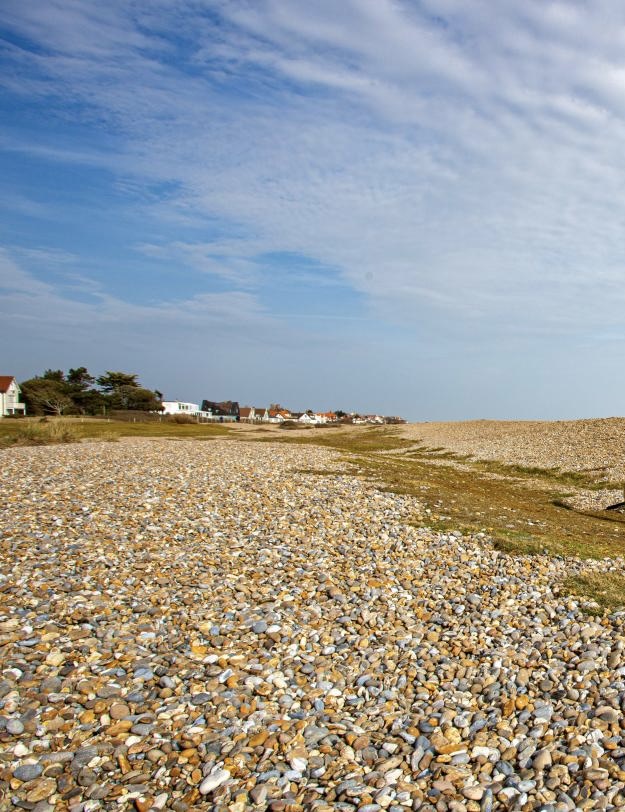
Thorpeness is a small coastal village immediately north of Aldeburgh. Its shingle beach is backed by low cliffs and coastal vegetation, while the village is known for its unusual architecture and the Meare, a boating lake surrounded by paths and gardens.
Dog restrictions: Dogs are welcome on much of Thorpeness Beach, although seasonal restrictions apply to a small, clearly marked section between 1 May and 30 September. Check the signs before entering the beach during summer.
The coastal route south towards Aldeburgh provides a straightforward walk with sea views for most of the journey. You can also explore the village, although dogs should be kept under control near the Meare and residential areas.
There is parking in the village and places to eat nearby. Facilities are more limited than in Aldeburgh, so it’s worth checking opening times before visiting outside the main holiday season.
If you’re staying nearby, our dog-friendly cottages in Thorpeness include accommodation within reach of the beach and neighbouring Aldeburgh.
6. Kessingland Beach
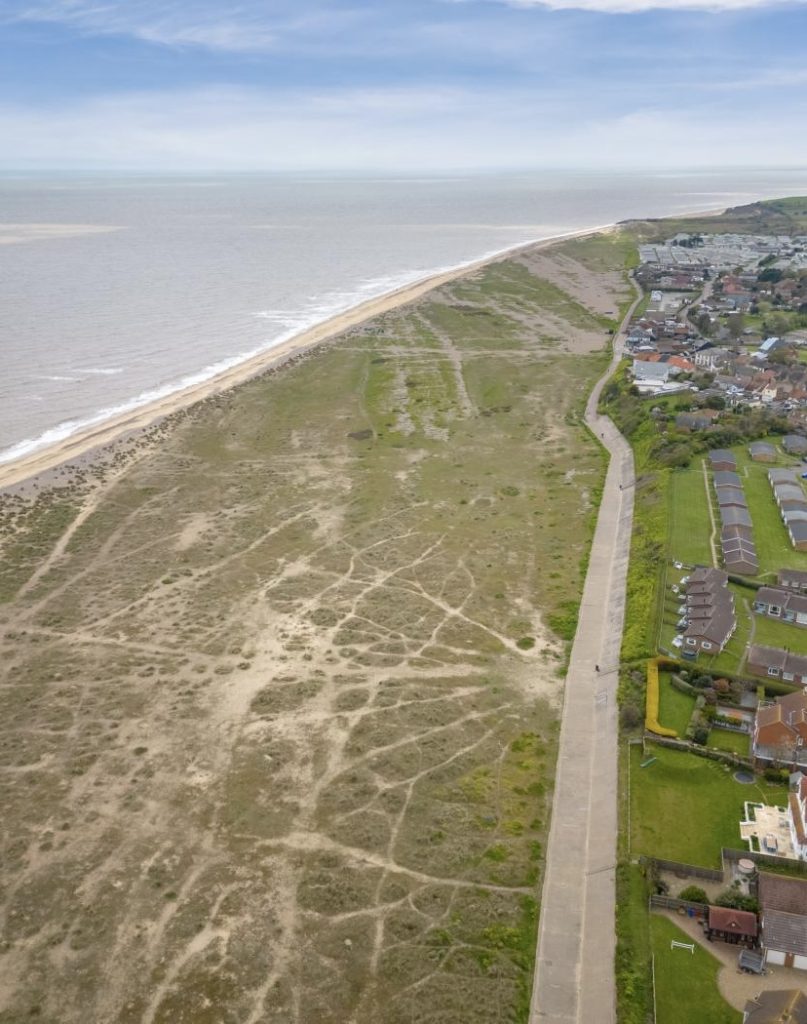
Kessingland lies south of Lowestoft and has a long beach with stretches of sand and shingle. It is generally quieter than the main beaches in Lowestoft, with fewer seafront attractions and plenty of room for walking.
Dog restrictions: Dogs are allowed on Kessingland Beach throughout the year, with no seasonal beach exclusion zone. This makes it one of the more convenient choices for dog owners visiting Suffolk during the summer holidays.
The beach extends north towards Pakefield and south towards Covehithe. The coastline is exposed, so it’s worth checking the weather and tide times before setting off on a longer walk.
Parking is available around Kessingland, with access routes leading down to the shore. There are local shops and places to eat in the village, although facilities immediately beside the beach are limited compared with Lowestoft.
Kessingland is particularly suitable for visitors who want a beach walk without the crowds or seasonal restrictions found in some of Suffolk’s larger resorts.
7. Pakefield Beach
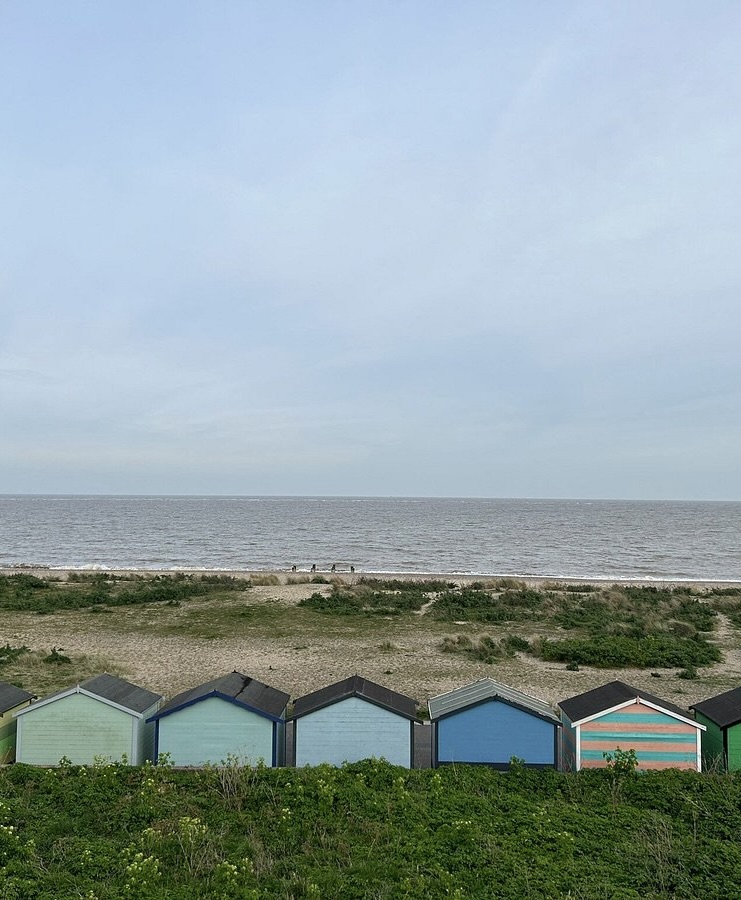
Pakefield is situated at the southern end of Lowestoft and has a mix of sand and shingle. The beach is backed by cliffs and a residential area, with cafés and pubs close to the seafront.
Dog restrictions: Pakefield provides dog-friendly beach access beyond the restricted central Lowestoft beach. The seasonal exclusion applies to the section running south from Lowestoft’s South Pier to the area near the Cefas building, between 1 May and 30 September. Check the signs carefully to make sure you’re outside the exclusion zone.
A walk south along the shore provides views towards Kessingland, although you’ll need to consider the tide and the condition of the beach. There are also nearby streets and paths for shorter walks if the weather is poor.
Parking is available in the surrounding area, with cafés, pubs and other amenities within walking distance. The combination of beach access and nearby facilities makes Pakefield suitable for a relaxed day out with your dog.
For more general advice before travelling, our guide on planning a UK beach holiday with your dog covers beach rules, accommodation and other things worth checking before you go.
8. Felixstowe Beach
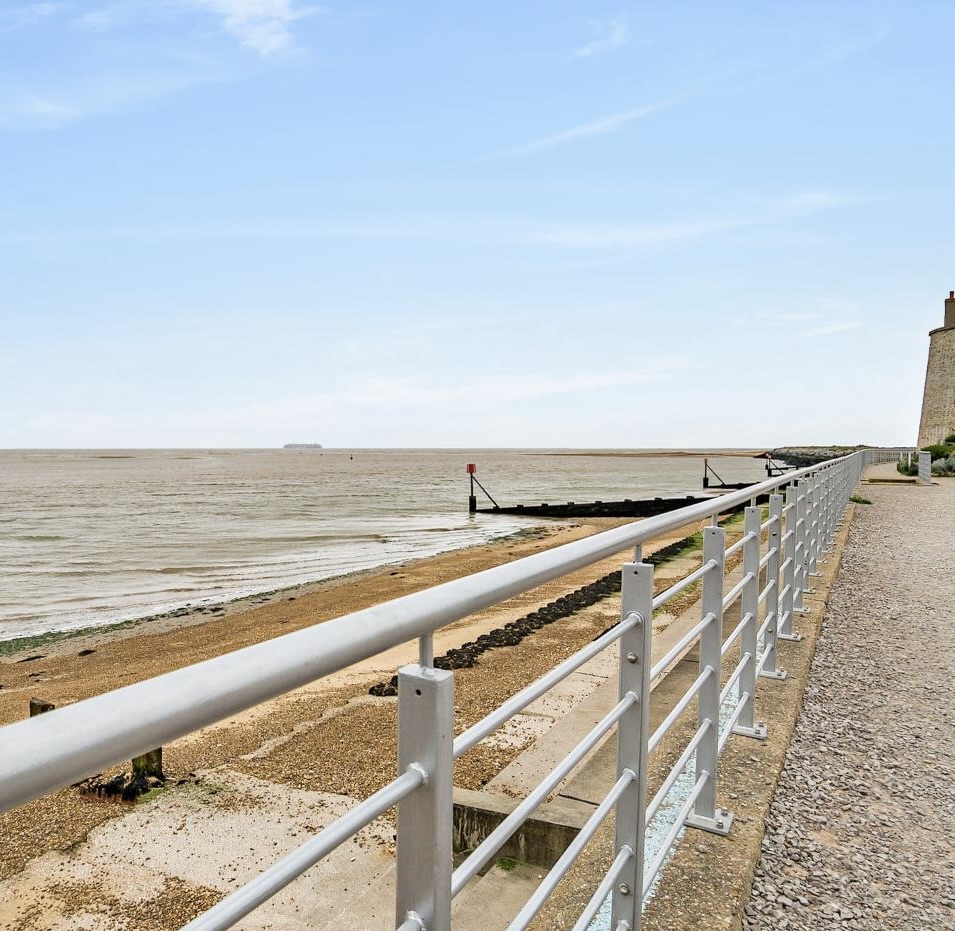
Felixstowe is Suffolk’s largest traditional seaside resort, with a long seafront, sandy and shingle beaches, a pier and gardens overlooking the shore. There are plenty of cafés and restaurants, as well as a promenade for walking along the coast.
Dog restrictions: Dogs are excluded from designated sections of Felixstowe’s beaches between 1 May and 30 September. Other sections remain accessible, so it is important to check the signs at your chosen beach entrance. Outside the restricted period, dogs can use the seasonal exclusion areas again.
The northern end of Felixstowe has quieter stretches of beach, while the southern end offers views towards the Port of Felixstowe and the River Orwell. Landguard Peninsula is another place to explore, although dogs must be kept under control around sensitive wildlife habitats.
There are several car parks along the seafront, together with public toilets, cafés and shops. Facilities are particularly convenient around the pier and central promenade.
Felixstowe is a practical choice if you’re travelling with family members who want traditional seaside attractions while you’re enjoying a coastal walk with your dog.
When is the Best Time to Visit Suffolk's Dog-Friendly Beaches?
You can enjoy walks with your dog along the Suffolk coast throughout the year, but the time of your visit affects which beaches are available.
From October to March, the main seasonal dog restrictions have usually ended. This gives you more freedom to explore popular beaches such as Southwold, Aldeburgh and Felixstowe.
During spring and summer, Walberswick, Dunwich and Kessingland are worth considering because they allow dogs on the beach throughout the year. Southwold’s Denes and other unrestricted sections also provide alternatives during the main holiday season.
Remember that dog restrictions can change, and separate rules may apply in nature reserves, around nesting birds and on privately managed land. Check local signs and council guidance before visiting.
If you’re planning a coastal break outside Suffolk, our article on dog-friendly beaches along the Norfolk coast covers more destinations just across the county border.
Planning a Dog-Friendly Beach Holiday in Suffolk
When choosing where to stay, think about the beaches you want to visit and whether your dog will be able to use them during your holiday dates.
Southwold and Aldeburgh offer plenty of restaurants, shops and attractions within walking distance, but have seasonal restrictions on parts of their beaches. Smaller destinations such as Walberswick and Dunwich offer quieter surroundings and good access to coastal walks.
If you’re visiting with children or other family members, it may be worth choosing somewhere with a mix of beach access, local facilities and places to eat nearby. It’s also worth checking whether your accommodation has an enclosed garden, accepts more than one dog or charges an additional pet fee.
Beach Stays offers a wide selection of dog-friendly cottages along the Suffolk coast, from smaller properties for couples to larger holiday homes for families and groups. Browse the collection to find accommodation near your preferred beach, then book directly with the property manager.
If you’re planning a longer stay, Beach Stays has a wide selection of Suffolk cottages by the sea, with properties around Southwold, Aldeburgh, Thorpeness and other coastal villages. You can also explore the beaches and seaside towns of Suffolk before deciding where to stay.