

Trusted source of coastal cottages for over 10 years

Professionally managed and regularly inspected

Book securely with the property manager
Devon is one of those counties that feels made for dog walks. Wide beaches, cliff-top paths, estuaries and open countryside mean there’s space to roam in almost every direction. And when the sea’s involved, most dogs are at their happiest.
The good news is that Devon has plenty of beaches where dogs are welcome — some all year round, others with seasonal restrictions. Knowing where you can go (and when) makes all the difference, especially in summer.
Here’s a practical guide to some of the best dog friendly beaches in Devon, from the surf-heavy north coast to the calmer shores of the south. If you are planning a holiday with your four-legged friend, then take a few minutes to read our guide to a stress free dog friendly break, full of tips and recommended coastal locations.
Saunton Sands (North Devon)
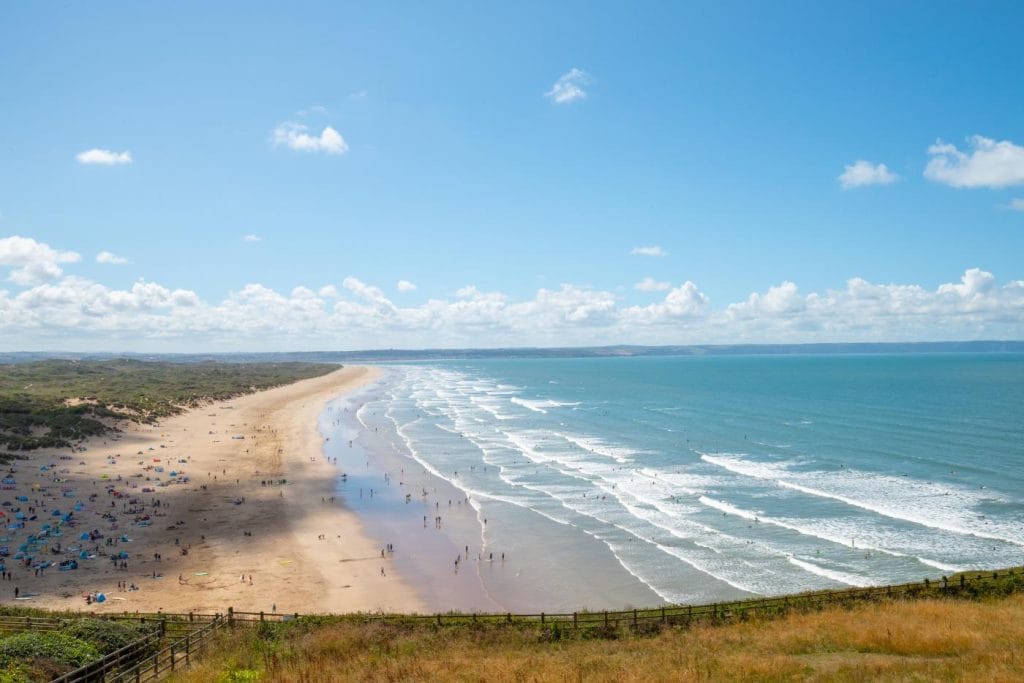
Saunton Sands in North Devon is one of the best-known dog-friendly beaches in Devon, largely because of its sheer size. Backed by the Braunton Burrows UNESCO Biosphere Reserve, the beach stretches for around three miles at low tide, giving dogs plenty of room to run even when it’s busy.
Dogs are generally allowed year round, but during the main summer season (typically 1 May to 30 September), restrictions can apply in designated zones. Usually, certain areas require dogs to be kept on leads, while other sections remain fully accessible. Because the beach is so expansive (making it one of the best surf beaches in Devon), there is still ample space even during restricted months.
Facilities are good, with a large car park, toilets and seasonal food outlets. The firm sand at low tide makes it ideal for long walks and energetic dogs. Always check signage in the car park for the latest local rules before heading down.
Woolacombe Beach (North Devon)
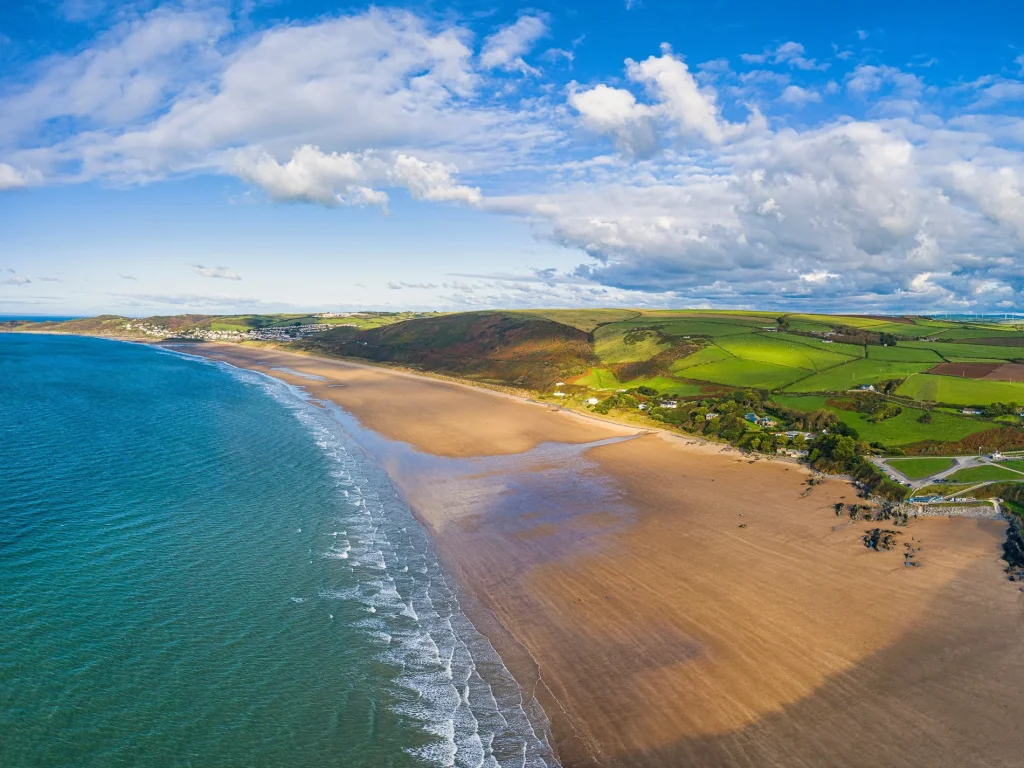
Woolacombe is located south of Ilfracombe in North Devon and is consistently ranked among the UK’s top beaches — it’s also one of the best options for dog owners.
Between 1 May and 30 September, dogs are restricted from the main central section of the beach during peak hours. However, designated areas at either end (often marked clearly) remain dog friendly, allowing year-round access in certain zones.
Outside of the main summer period, dogs are generally welcome across much more of the beach. Early mornings and evenings in summer are often quieter and more relaxed for dog walking.
Woolacombe has excellent facilities, including toilets, parking and cafés, making it an easy option for a full beach day. Just be mindful that it’s a popular South West family beach in peak season, so checking the restrictions on arrival is essential.
Croyde Beach (North Devon)
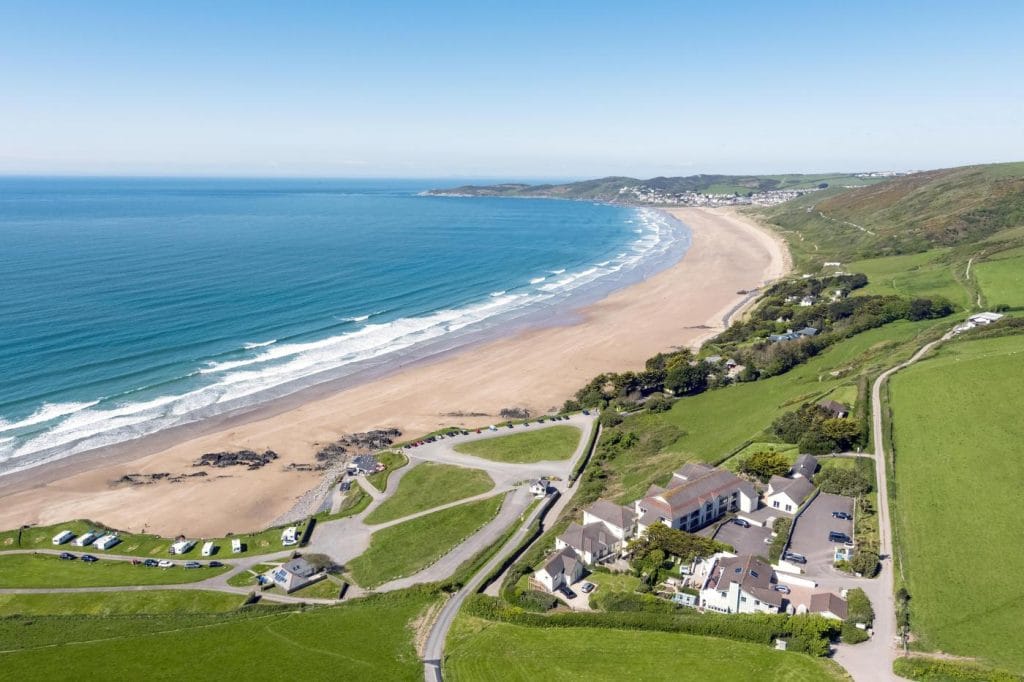
Croyde is a classic surf beach and has stricter seasonal restrictions than some other North Devon beaches.
Typically, dogs are banned from the main beach between 1 May and 30 September. Outside of those months, dogs are usually welcome, making autumn, winter and spring excellent times to visit if you’re travelling with a pet.
Even during restricted months, you’re not short of options. The surrounding South West Coast Path offers fantastic cliff-top walking (one of the many coastal activities in Devon), and nearby beaches such as Saunton or Putsborough may have more flexible rules.
Facilities include toilets and parking, and the village itself is very dog friendly, with several pubs welcoming four-legged visitors.
Westward Ho! (North Devon)
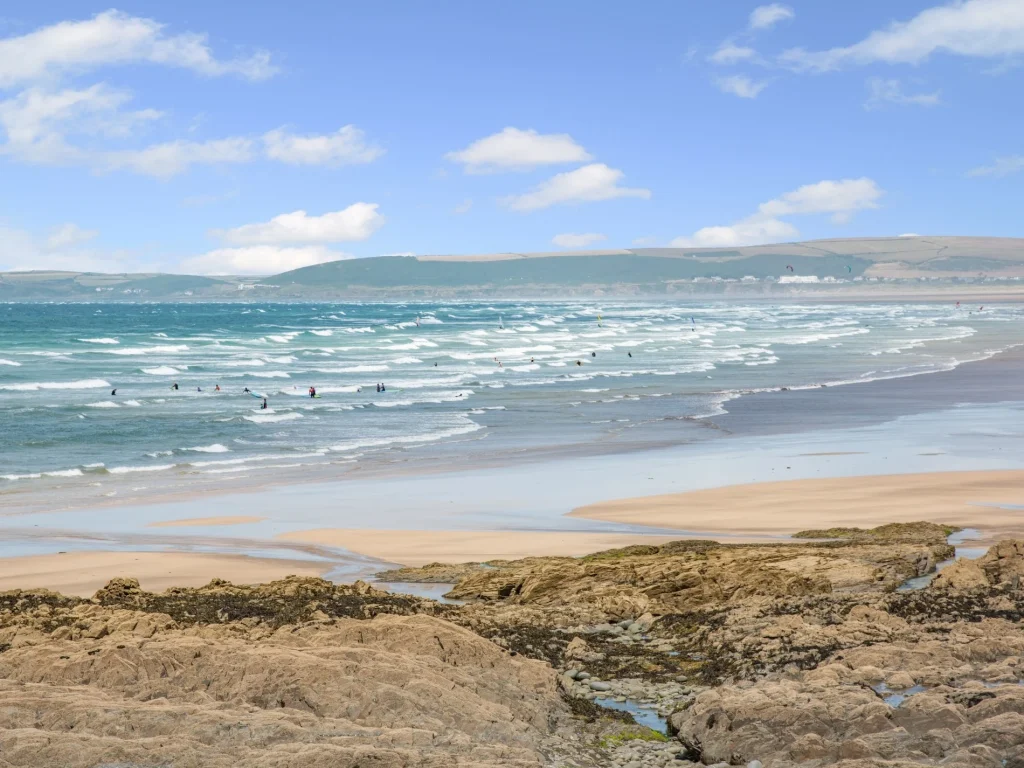
Westward Ho! near Appledore in North Devon has a large sandy beach backed by a distinctive pebble ridge. It’s another good choice for dog walkers, although seasonal restrictions apply.
From 1 May to 30 September, dogs are usually prohibited from the main bathing area. However, designated zones at either end of the beach remain dog friendly year round. These sections are clearly marked, so it’s easy to stay within permitted areas.
Outside the main season, dogs can typically access much more of the beach. The long, flat sands of Westward Ho! make it ideal for energetic runs, and the nearby Northam Burrows Country Park offers additional walking space on leads.
Parking, toilets and food outlets are available close to the seafront, making Westward Ho! one of the best places to stay in Devon.
Instow Beach (North Devon)
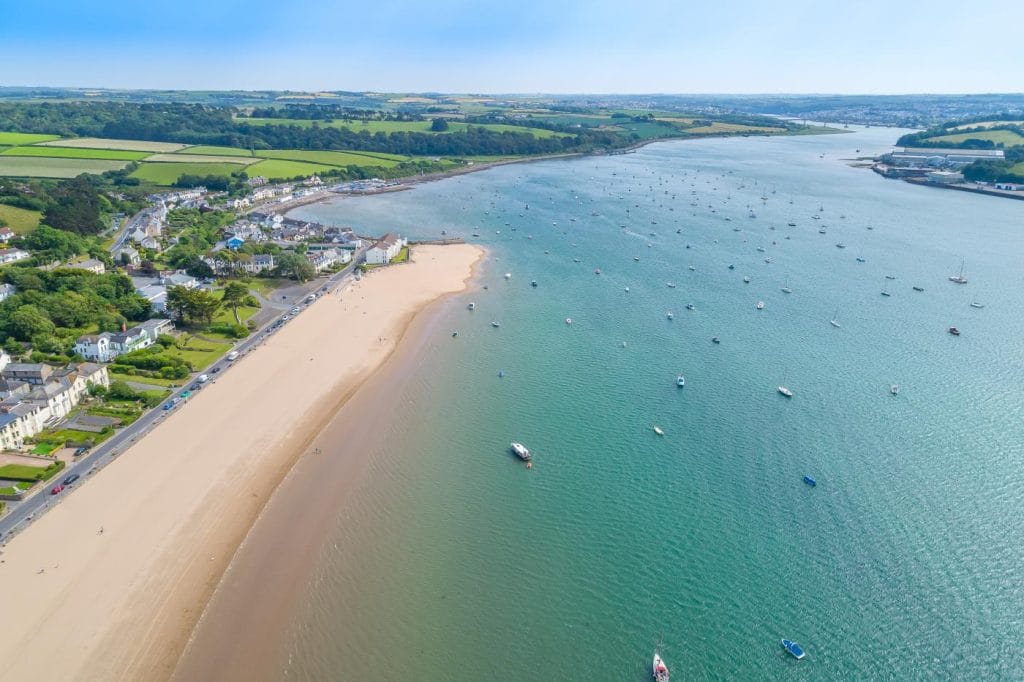
Instow sits on the Taw and Torridge Estuary, offering calmer water and a more relaxed beach environment — ideal for older dogs or those less keen on facing the more powerful Atlantic waves.
Seasonal restrictions normally apply between 1 May and 30 September on parts of the main beach. During this period, dogs may be required to stay on leads in certain areas, while other stretches remain accessible.
Outside peak months, dogs are generally welcome along much of the shoreline. The flat sands of Instow beach and the estuary views make for easy and interesting walking, and the village setting means dog-friendly pubs and cafés are within easy reach.
Always check local signage, as estuary beaches sometimes have slightly different rules from open-coast beaches.
Beesands (South Devon)
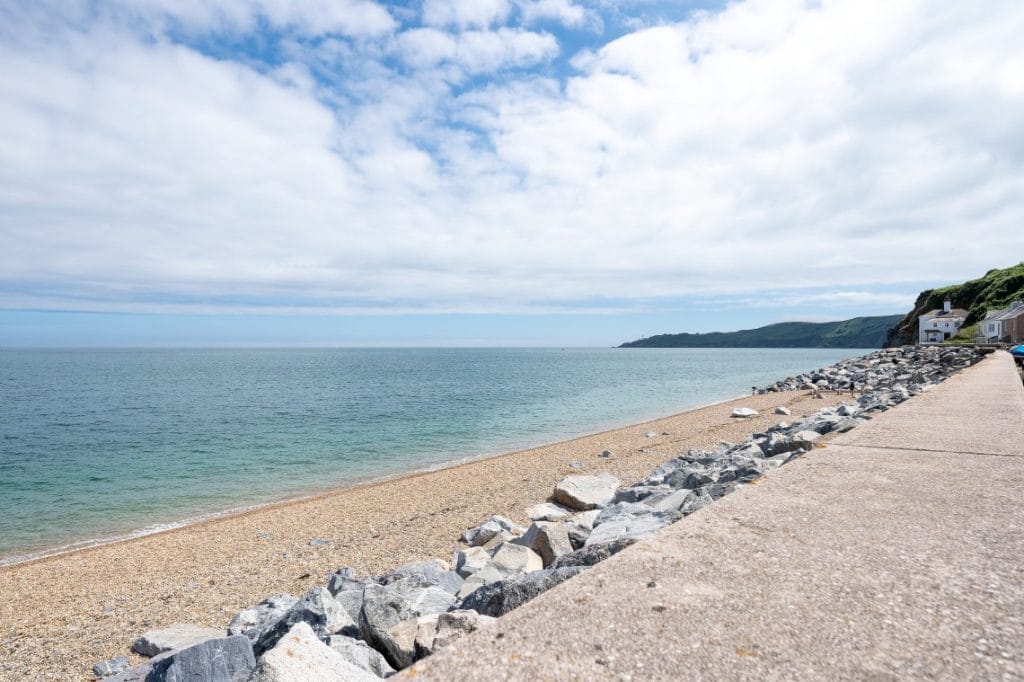
Beesands is one of South Devon’s more straightforward options for dog owners. This long shingle beach typically allows dogs year round, though leads may be advisable during busier summer periods.
The beach rarely feels crowded compared to larger resort beaches, which makes it a good choice if your dog prefers quieter surroundings. Parking is close to the shore, and there’s a popular beach café nearby.
Because it’s a shingle beach, it may not suit every dog’s paws for extended play, but for steady coastal walks, it’s excellent.
Slapton Sands (South Devon)
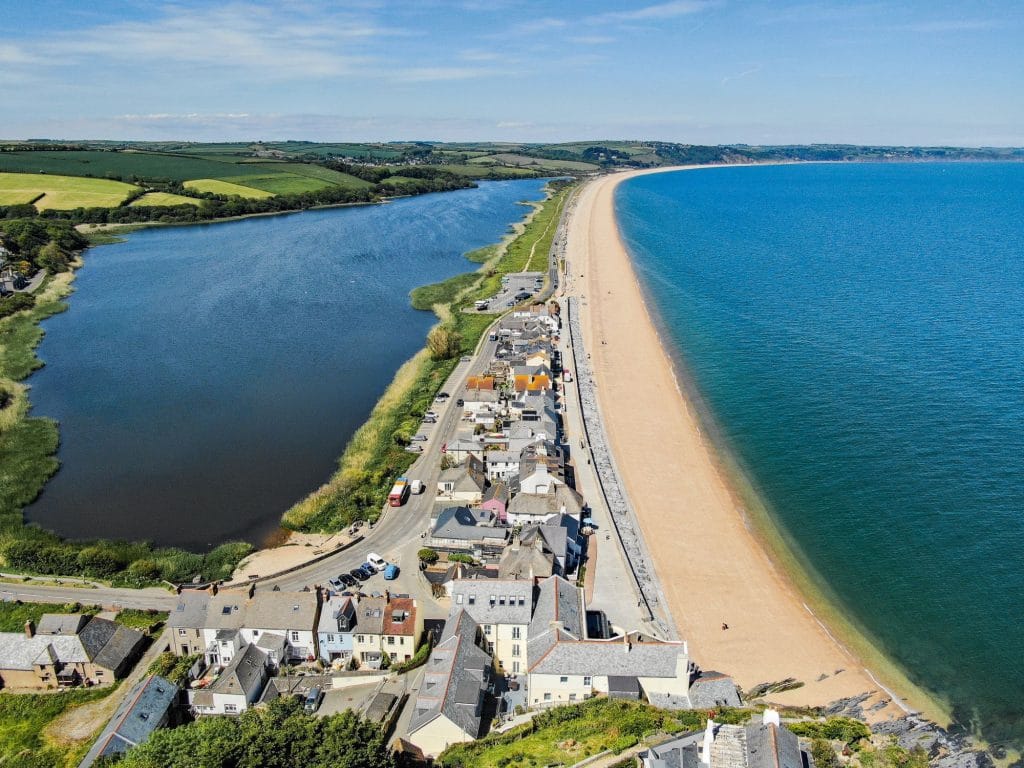
Slapton Sands is a three-mile stretch of shingle beach south of Brixham and Dartmouth, backed by the Slapton Ley nature reserve. Dog access varies slightly along its length.
Some sections are dog friendly year round, while others may have seasonal restrictions between 1 May and 30 September. The beach is long enough that you can usually find an appropriate stretch to walk, but it’s important to observe posted signs carefully.
The surrounding nature reserve often requires dogs to be kept on leads to protect wildlife. If you’re planning a longer circular walk, you should factor this in.
Parking is available along the seafront road at Slapton, and facilities are located at Torcross.
Bigbury-on-Sea (South Devon)
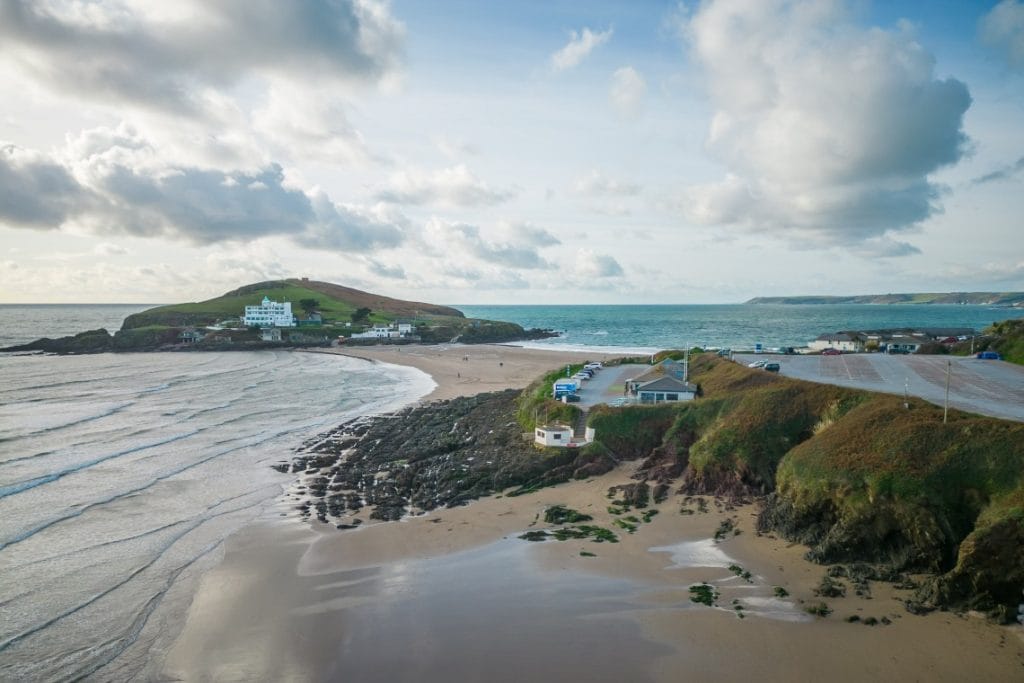
Bigbury-on-Sea is just up the coast from Thurlestone and Hope Cove and is well known for its views of Burgh Island. However, seasonal restrictions typically apply to the main beach between 1 May and 30 September.
Outside of those months, dogs are usually welcome across much of the beach, making autumn and winter particularly enjoyable times to visit. During restricted months, it’s worth considering nearby Salcombe for your dog friendly break as it boasts several beaches that allow dogs year round.
Low tide allows a walk across to Burgh Island, though dogs may need to remain on leads depending on local signage. Always check the current guidance before setting off. If you want accommodation with sea views, check out some of the fabulous South Devon retreats listed with us, many that allow dogs.
Branscombe (East Devon)
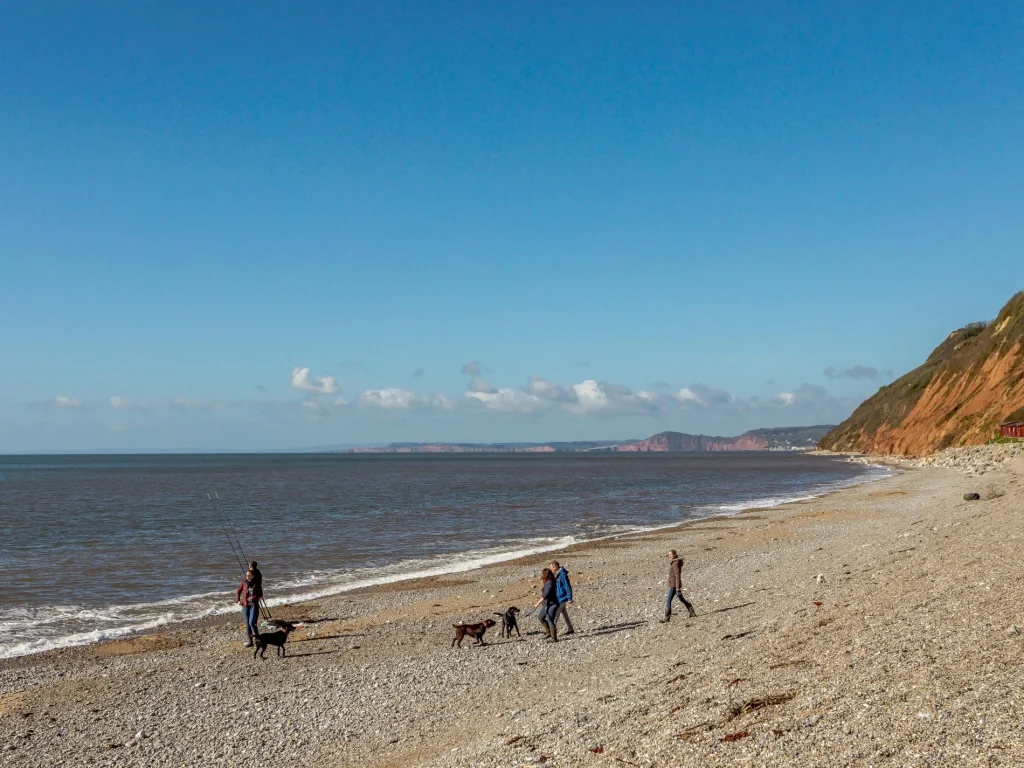
Branscombe is a quieter, pebble-backed beach that is generally dog friendly year round. It’s less commercial than many Devon beaches, which means fewer crowds and a more relaxed atmosphere, making it popular for sea view walks in Devon year round.
There are usually no formal seasonal bans, but leads are recommended during busier periods and near wildlife. Parking and a café are located near the beach entrance.
The surrounding countryside offers additional walking routes if you want to extend your outing.
Seaton Beach (East Devon)
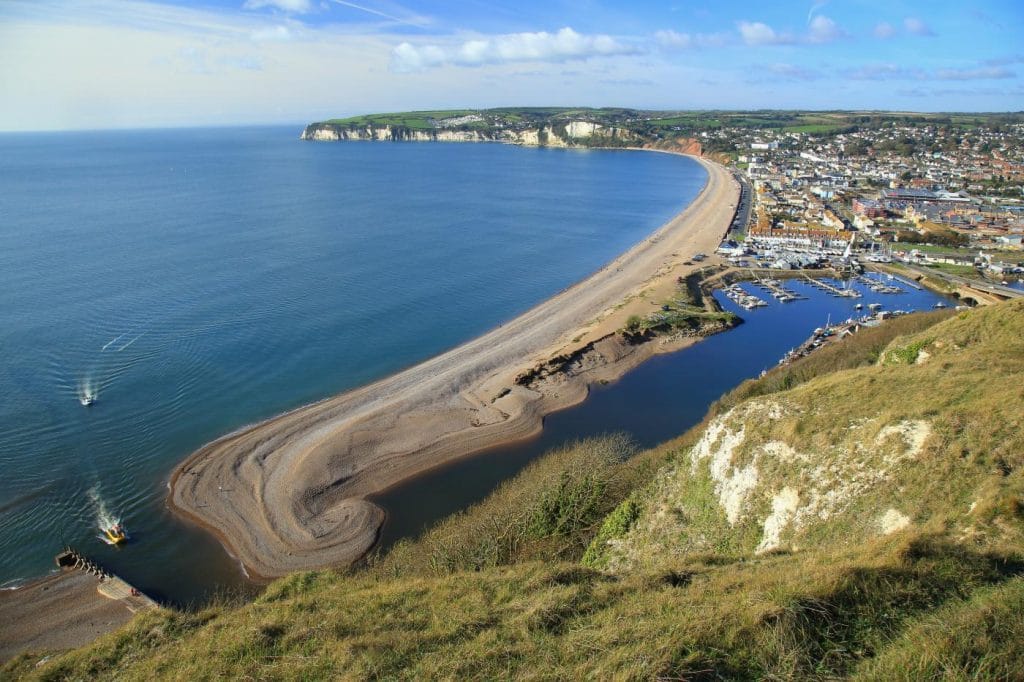
Seaton has partial seasonal restrictions. Between 1 May and 30 September, dogs are typically prohibited from certain central sections of the beach. However, designated areas at either end often remain dog friendly.
Outside of peak season, access is generally much broader. The adjacent Seaton Wetlands nature reserve welcomes dogs on leads and provides an alternative walking option if beach access is limited.
Facilities, including toilets and parking, are easily accessible from the seafront.
Year-Round Dog Friendly Beaches (Check Local Signage)
Some Devon beaches are particularly well known for allowing dogs all year, including:
-
Saunton Sands (designated zones)
-
Beesands
-
Branscombe
-
Sections of Woolacombe
-
Areas of Westward Ho!
Regulations can change, so it’s always worth checking local council websites before setting off or signage on arrival — especially between May 1 and September 30, when restrictions may apply to certain areas of the beach.
Tips for a Stress-Free Beach Visit
A few practical considerations make all the difference when heading to the coast with a dog:
-
Check tide times. Low tide means more space to explore.
-
Bring fresh water. Even if your dog loves the sea, drinking salt water isn’t ideal.
-
Respect restrictions. They’re usually in place to ensure fun for everyone.
-
Use leads when required. Especially near wildlife or livestock.
-
Pick up after your dog. Most beaches have bins near main entrances.
Early mornings and late afternoons are often the most enjoyable times for dog walks, particularly during summer.
Planning a Dog Friendly Break in Devon?
If you’re dreaming of long beach walks, cliff-top rambles and a pub lunch where the dog is just as welcome as you are, Devon makes for an easy choice. From cottages close to Saunton Sands to coastal stays near Beesands or Branscombe, there are plenty of places where muddy paws and dog lovers are welcome.
You can explore our full collection of dog friendly Devon cottages to find a stay that suits both you and your four-legged companion — whether you’re looking for sea views, enclosed gardens or easy access to the beach.