Our East of England Holiday Cottages by the Sea
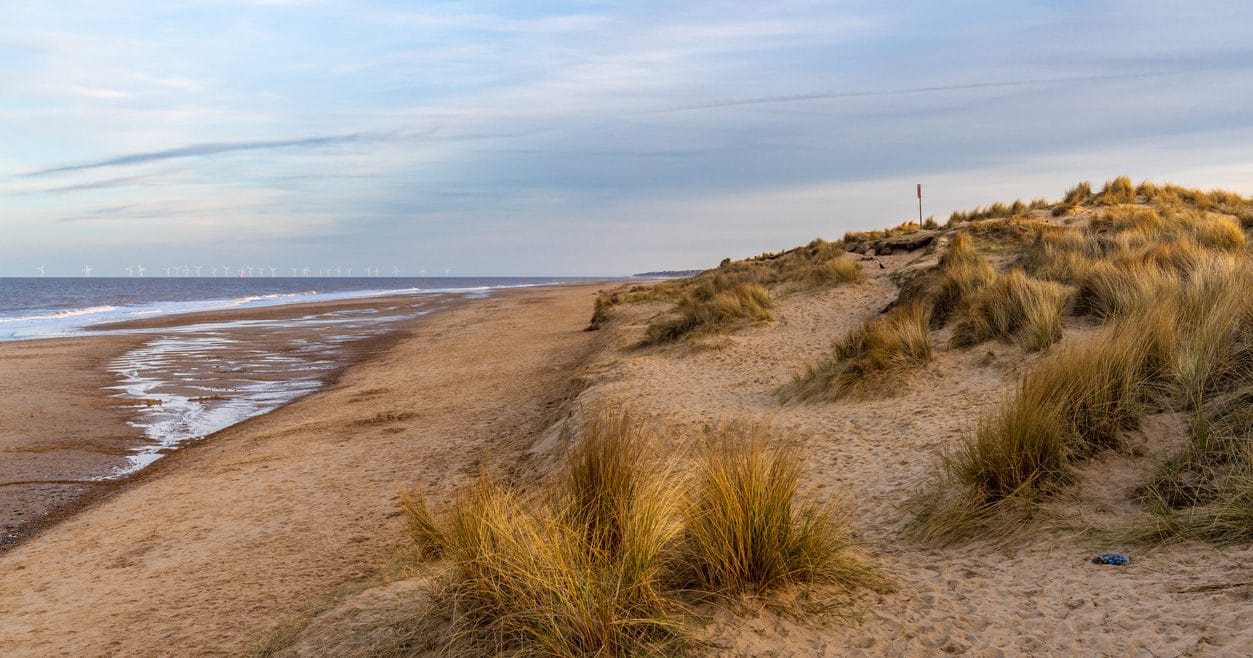
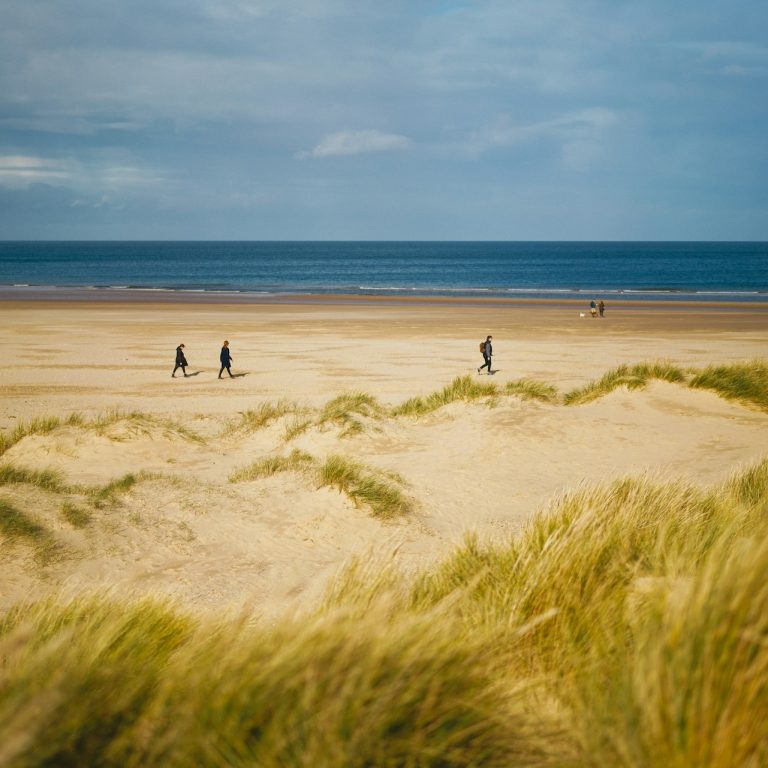
The coastline of Norfolk and Suffolk changes considerably as you travel through the region. North Norfolk has large beaches and extensive saltmarshes around Holkham, Wells-next-the-Sea, Blakeney and Brancaster, while Cromer and Sheringham combine beaches with traditional seaside attractions. On Norfolk’s eastern coast, long stretches of sand run through places such as Sea Palling, Hemsby and Great Yarmouth.
Suffolk brings another mix of seaside towns, estuaries, heathland and nature reserves. Southwold and Aldeburgh are two of its best-known coastal destinations, while Lowestoft and Felixstowe have larger resort beaches. Much of the Suffolk coastline lies within the Suffolk & Essex Coast & Heaths National Landscape.
Wildlife is a major reason to explore this part of England. Boat trips from Morston visit the seal colony at Blakeney Point, while Cley Marshes, RSPB Minsmere and the reserves around The Wash are important birdwatching areas.
Seaside Towns, Nature Reserves and Days Out
Cromer is known for its Victorian pier, which is home to the Pavilion Theatre, as well as the crab caught off the Norfolk coast. Sheringham is a few miles west and is the coastal terminus of the North Norfolk Railway. Continue along the coast and you reach Blakeney, Wells-next-the-Sea and Holkham, with the Holkham estate and its 18th-century hall just inland.
Hunstanton stands on the western side of Norfolk and is unusual because its position overlooking The Wash means you can watch the sun set over the water. On the opposite side of the county, Great Yarmouth has its Golden Mile, Britannia Pier and Pleasure Beach. The Norfolk Broads are also within easy reach of the coast, with opportunities for boat trips, canoeing, cycling and walking.
Across the border in Suffolk, Southwold has its pier, lighthouse and beach huts, while Aldeburgh combines its shingle beach with fishing boats and the Scallop sculpture by Maggi Hambling. Snape Maltings is nearby on the River Alde. Further south, Sutton Hoo overlooks the River Deben and is one of England’s most important Anglo-Saxon archaeological sites. RSPB Minsmere and Dunwich Heath provide more choices for walking and wildlife watching.
Places to Stay by the East Anglian Coast
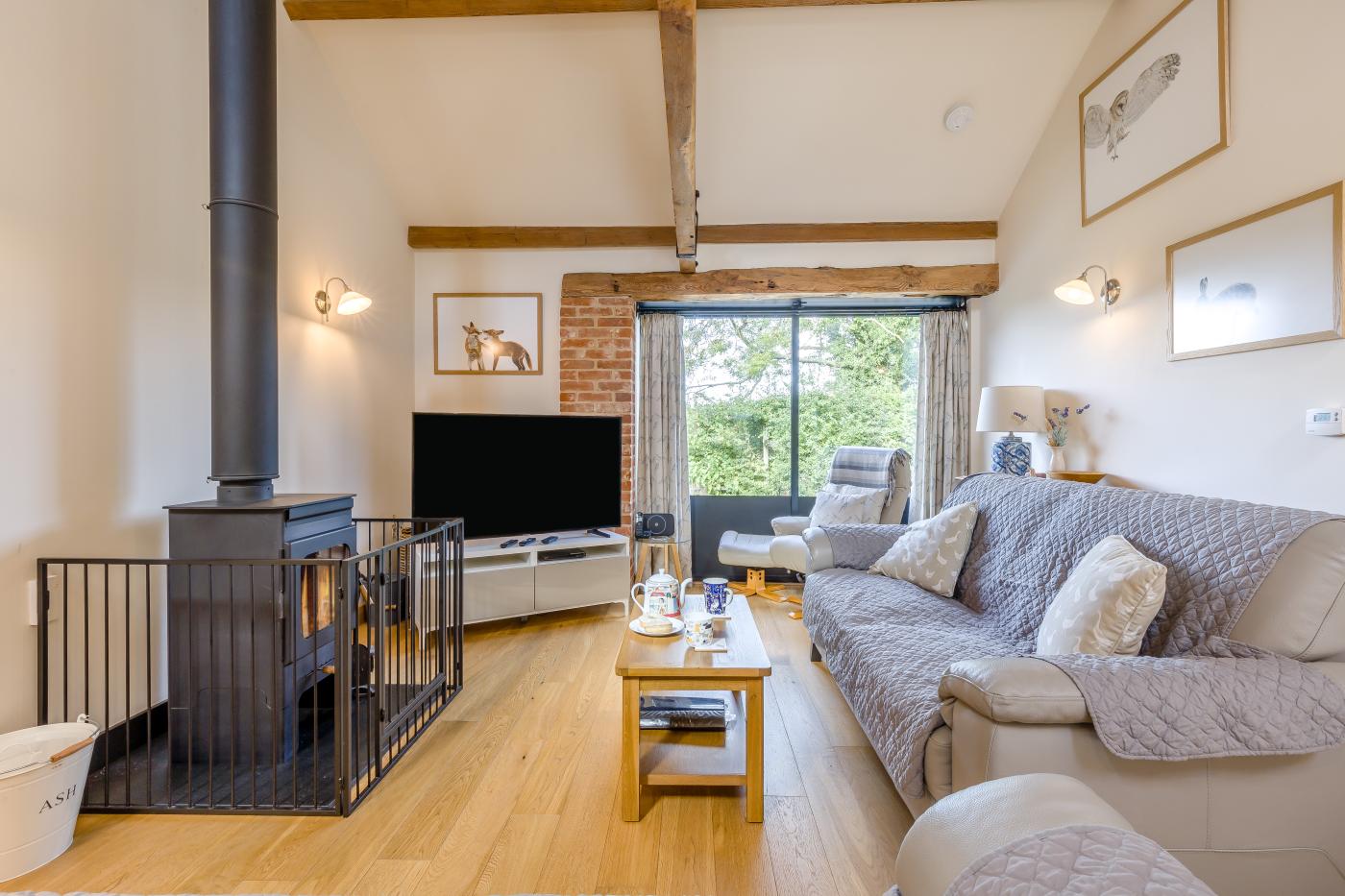
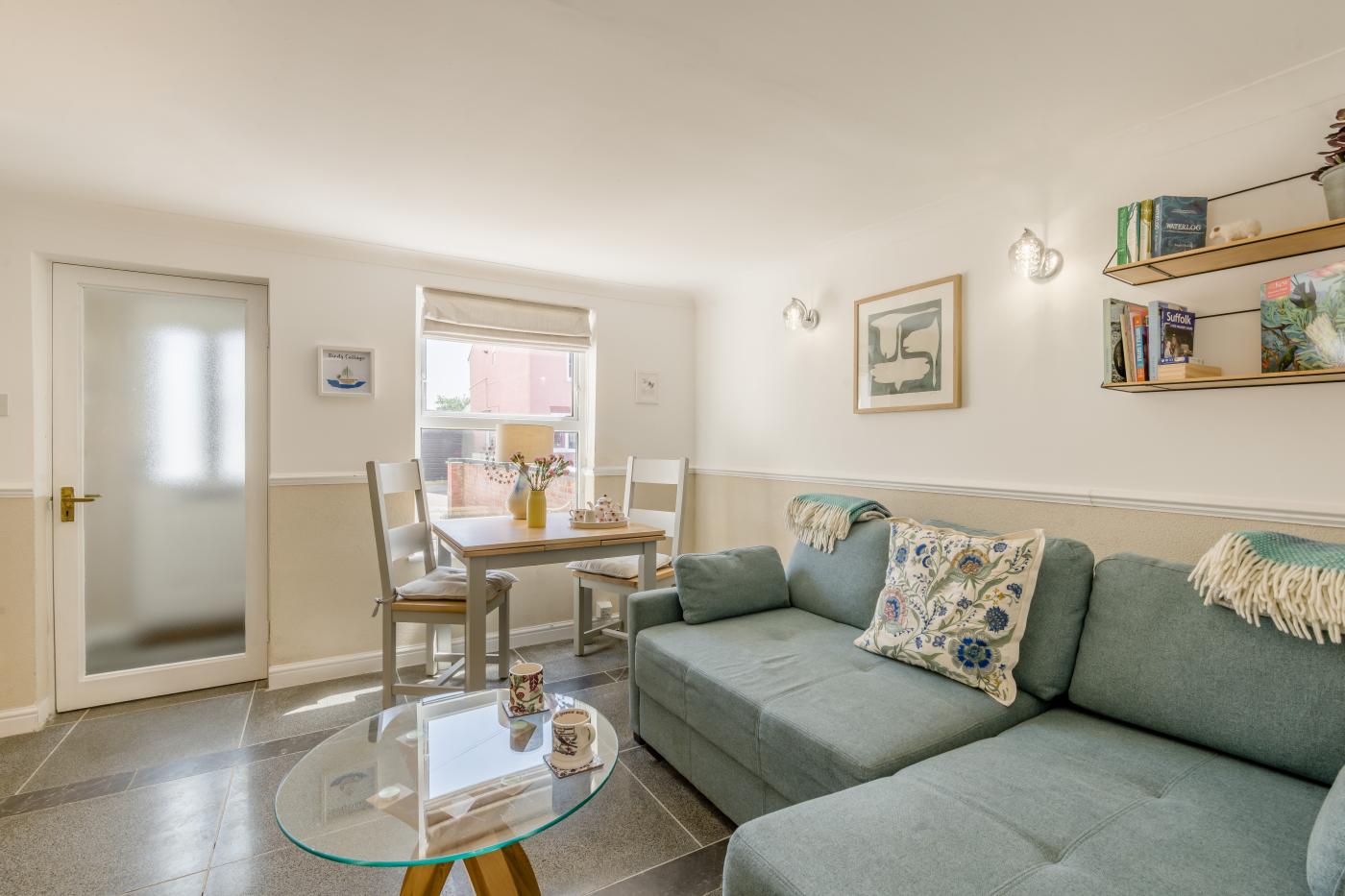
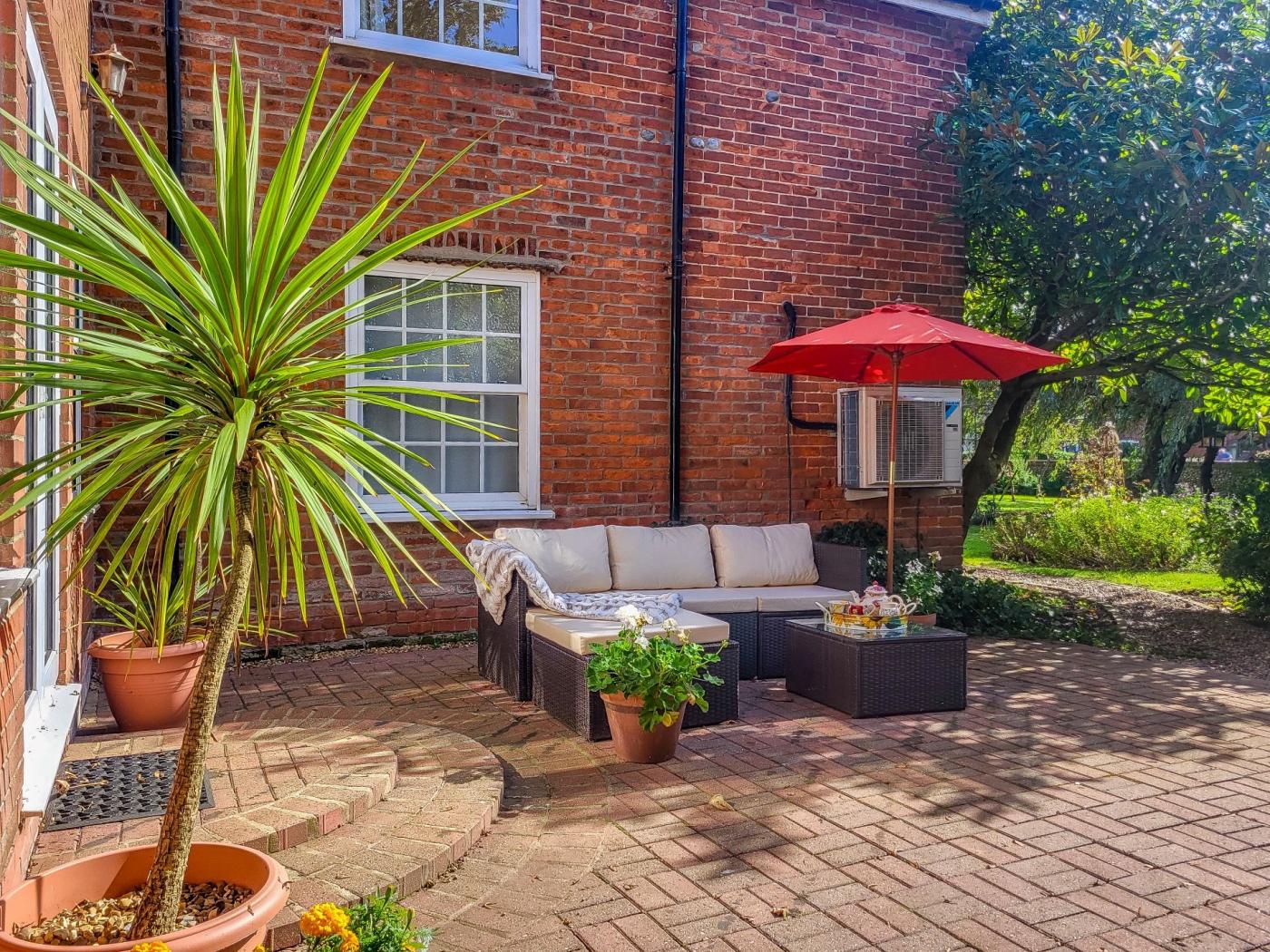
Accommodation varies considerably between the region’s seaside resorts and smaller villages. Cromer, Great Yarmouth and Lowestoft have apartments and holiday homes close to their seafronts, while places such as Wells-next-the-Sea, Blakeney, Southwold and Aldeburgh have traditional cottages, town houses and converted properties.
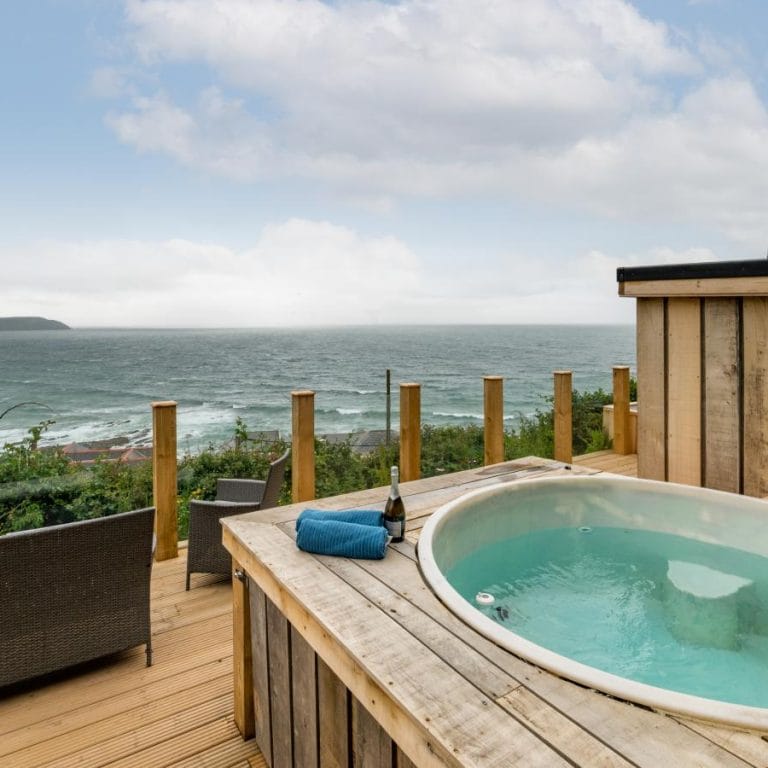
If waking up to a coastal outlook is important, look for sea view cottages and apartments overlooking the beach, harbour or one of the region’s estuaries. Beach houses and properties with direct beach access are also available in selected locations.
Larger houses can work well for two families or groups travelling together, particularly when they provide several bathrooms, generous kitchens and private parking. Some coastal properties also have hot tubs, giving you an additional feature to enjoy after a day out.
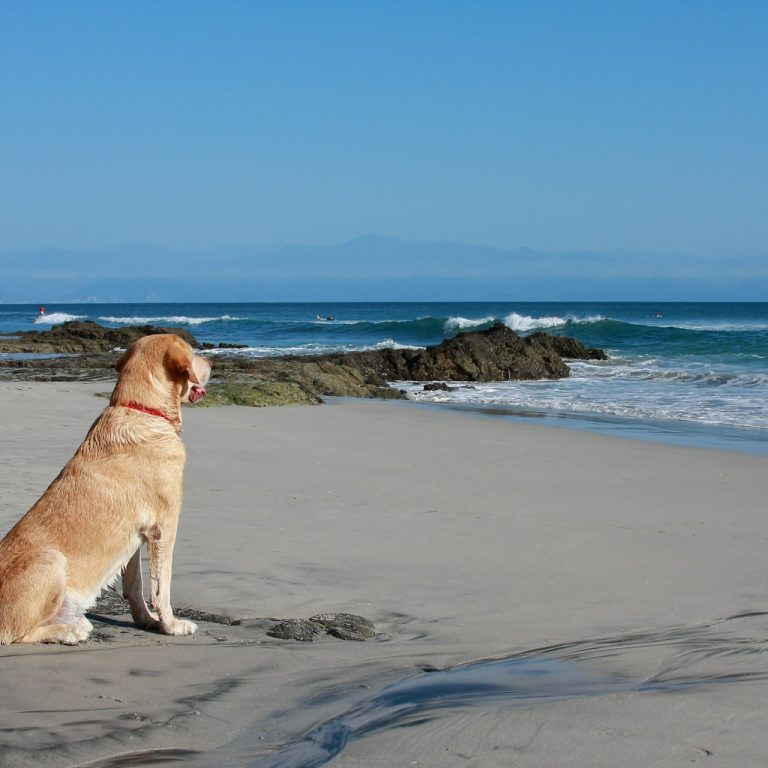
The East of England is particularly well suited to holidays with a dog because of its extensive beaches and coastal walking routes. Dog-friendly cottages range from smaller properties for couples to family houses with enclosed gardens, although individual beach restrictions should always be checked during the summer.
Norfolk and Suffolk Beaches Worth Exploring
Holkham is one of the largest beaches on the Norfolk coast, with an extensive area of sand backed by dunes and pine woodland. Neighbouring Wells-next-the-Sea is immediately recognisable from its line of colourful beach huts. Further west, Brancaster and Old Hunstanton provide more large sandy beaches along the shores of The Wash.
Cromer Beach lies beneath the town and pier, while nearby East and West Runton are known for rock pooling. The eastern Norfolk coast has more sandy beaches at Mundesley, Sea Palling, Winterton-on-Sea and Gorleston, before reaching the resort beaches of Great Yarmouth.
In Suffolk, Southwold has a sandy beach backed by its promenade and beach huts. Walberswick is across the River Blyth and offers another sandy stretch in a much smaller village. Aldeburgh is predominantly shingle, while further north there are long sandy beaches around Kessingland, Pakefield and Lowestoft. Felixstowe provides another traditional seafront and beach towards the southern end of the Suffolk coast.
Facilities range from piers, cafés, toilets and seafront attractions at the larger resorts to very limited amenities at some nature reserves and more remote beaches. Tide conditions can also make a considerable difference on parts of the Norfolk coast, so check local information before setting out for a long beach walk.