


Trusted source of coastal cottages for over 10 years

Professionally managed and regularly inspected

Book securely with the property manager
A UK beach holiday with a dog can be brilliant, but it works best with a bit of planning. Not every beach allows dogs all year, not every property is set up for pets, and some coastal areas are much easier than others for walks, parking and places to eat.
The good news is that the UK has plenty of dog-friendly coastal destinations, from Cornwall and Devon to Dorset, Norfolk, Scotland and Wales. The key is choosing the right area, checking beach rules before you travel and booking accommodation that suits both you and your dog.
Here is how to plan a beach holiday with your dog without making the trip more complicated than it needs to be.
Choose the right coastal area
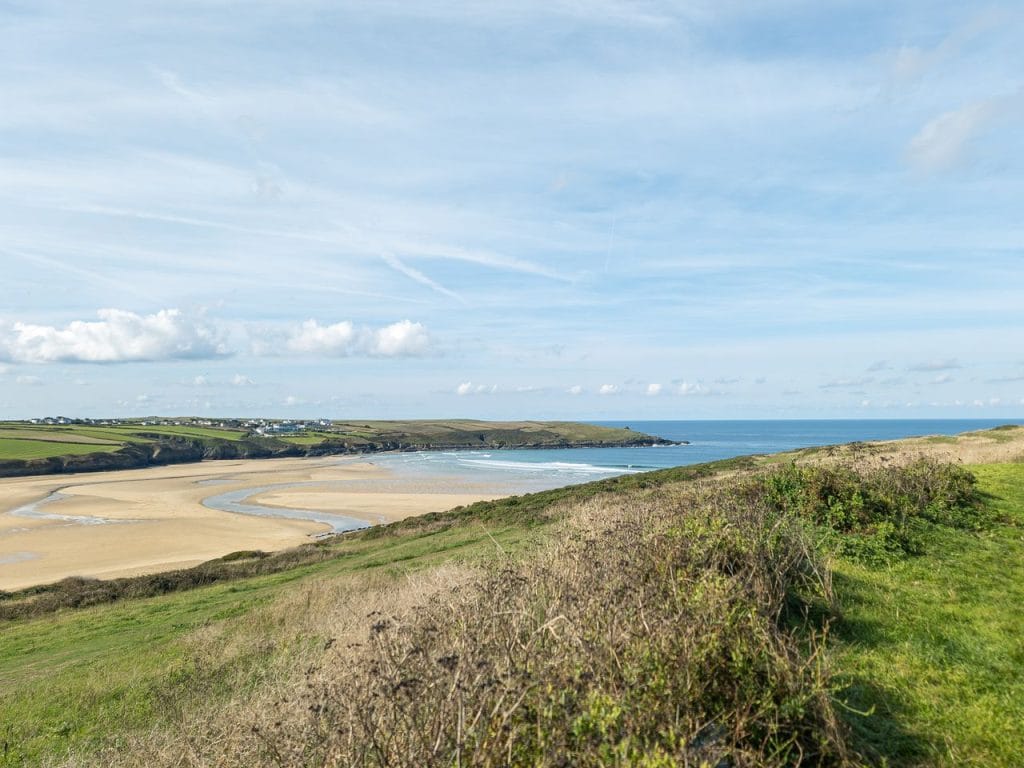
The first step is choosing a coastline that works for the type of holiday you want. Some areas are better for long sandy walks, while others are better for coves, cliff paths, harbour towns or quieter beaches. Cornwall is one of the most popular choices for dog-friendly beach holidays. It has a strong mix of surf beaches, coastal paths, harbour towns and dog-friendly places to eat.
Cornwall also works well because you can choose between busier resort towns and quieter coastal villages. Newquay, Bude and St Ives are useful if you want plenty of places to eat, surf schools and family activities nearby, while areas such as the Roseland Peninsula, Coverack, Portscatho and parts of West Cornwall may suit you better if you want quieter walks and smaller beaches.
If you are travelling in summer, check the local dog rules carefully, as some popular beaches have seasonal restrictions, while others remain dog-friendly all year. If Cornwall is on your shortlist, it is worth comparing some of the best dog-friendly beaches in Cornwall before deciding where to stay.
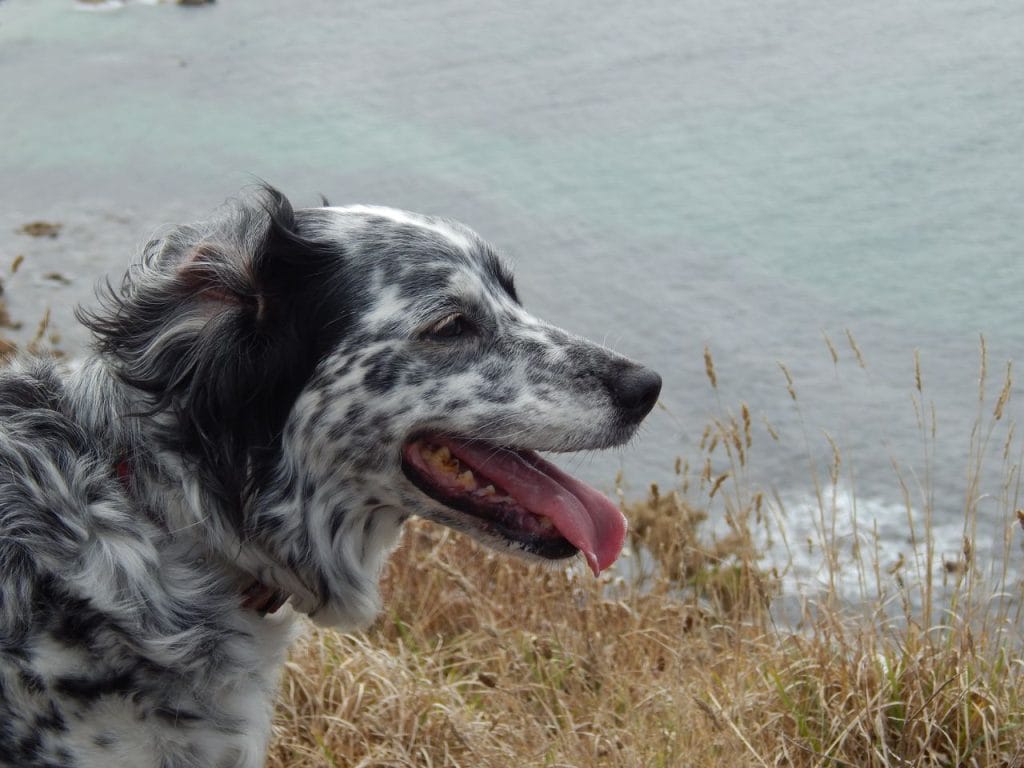
Dorset is another strong option, especially if you want a mix of seaside towns, Jurassic Coast scenery and practical facilities. Weymouth, Lyme Regis, Swanage, Bournemouth and Poole all offer different types of coastal break, but beach rules vary, particularly in summer. Checking dog-friendly beaches in Dorset before booking can help you choose a base that gives you easy access to suitable walks.
Norfolk is a good choice if your dog needs space. The coastline has wide beaches, dunes, salt marshes and long walking routes. Places like Holkham, Wells-next-the-Sea, Brancaster, Cromer and Sheringham are popular for relaxed coastal breaks. If you want a quieter beach holiday, the dog-friendly Norfolk coast is a good place to start.
Scotland is also worth considering, especially if you want more space and fewer seasonal beach restrictions. The coastline is varied, with sandy bays, islands, sea lochs and coastal villages. Take a quick look at our guide to dog-friendly beaches in Scotland which can help narrow down the best areas, especially if you are planning a longer trip.
Check dog rules before you book
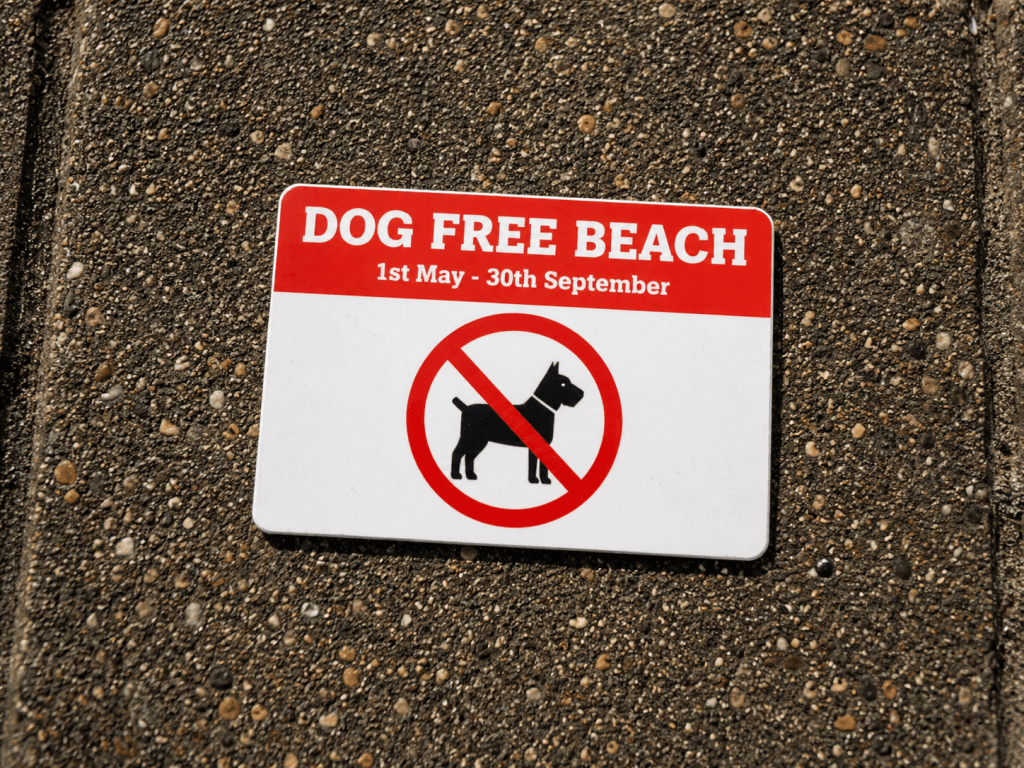
Dog rules are one of the biggest things to check before a UK beach holiday. Some beaches welcome dogs all year. Others allow dogs in winter but restrict them during the main summer season. Some have dog-friendly zones, while others require dogs to be kept on leads in certain areas.
Do not rely only on the phrase “dog-friendly beach”. It can mean different things depending on the time of year. A beach may be dog-friendly in January but restricted in July and August. Local council rules can also change, so always check current signage when you arrive.
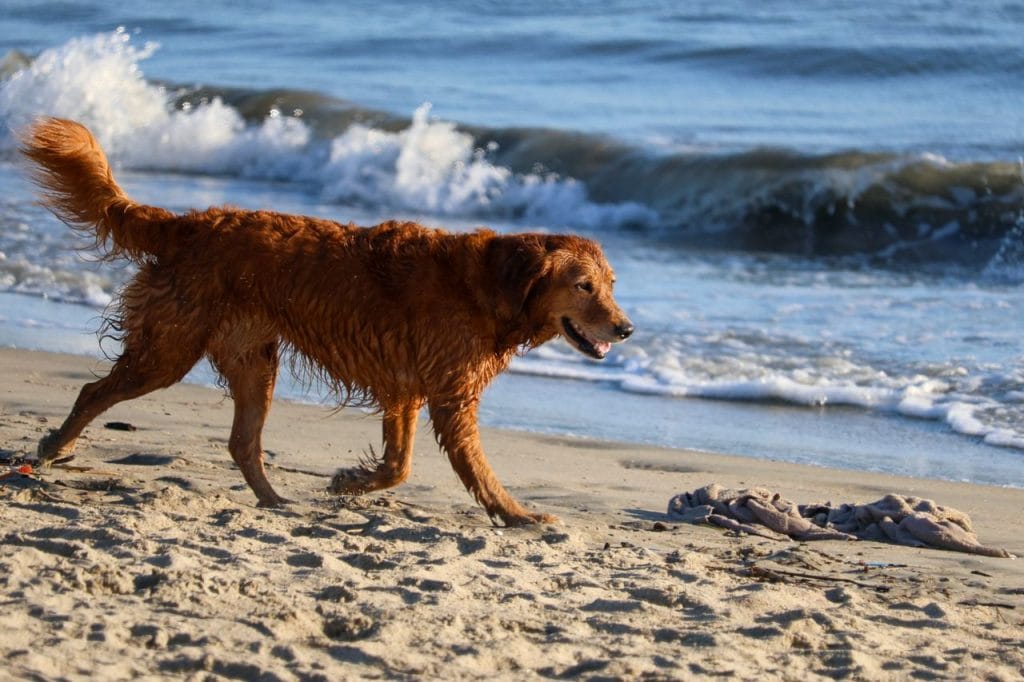
It is also worth checking nearby alternatives. If your nearest beach has seasonal restrictions, there may be another beach a short drive away that allows dogs year-round. This is especially useful in places like Dorset, Cornwall and Devon, where one beach may be restricted while another nearby remains open to dogs.
When comparing destinations, look for:
- year-round dog-friendly beaches
- seasonal dog zones
- lead rules on promenades and coast paths
- nearby fields, dunes or inland walks
- parking close to the beach
- dog-friendly cafés, pubs and restaurants
If you are travelling to the South West coast, choosing to stay near year-round dog-friendly beaches can make the trip easier, especially during spring and summer when restrictions are more common.

Pick accommodation that really works for dogs
A property may allow dogs, but that does not always mean it is the right choice. Before booking, check the details carefully.
Look at how many dogs are allowed, whether there is an extra charge and whether any house rules apply. Some properties ask dogs to stay downstairs, keep off furniture or avoid bedrooms. Others may have enclosed gardens, hard floors, outdoor taps or direct access to walking routes.
For a beach holiday, location matters. A dog-friendly cottage close to the coast path or beach can make the trip much easier. You do not want every walk to involve driving, parking and carrying towels, leads and wet-weather gear.
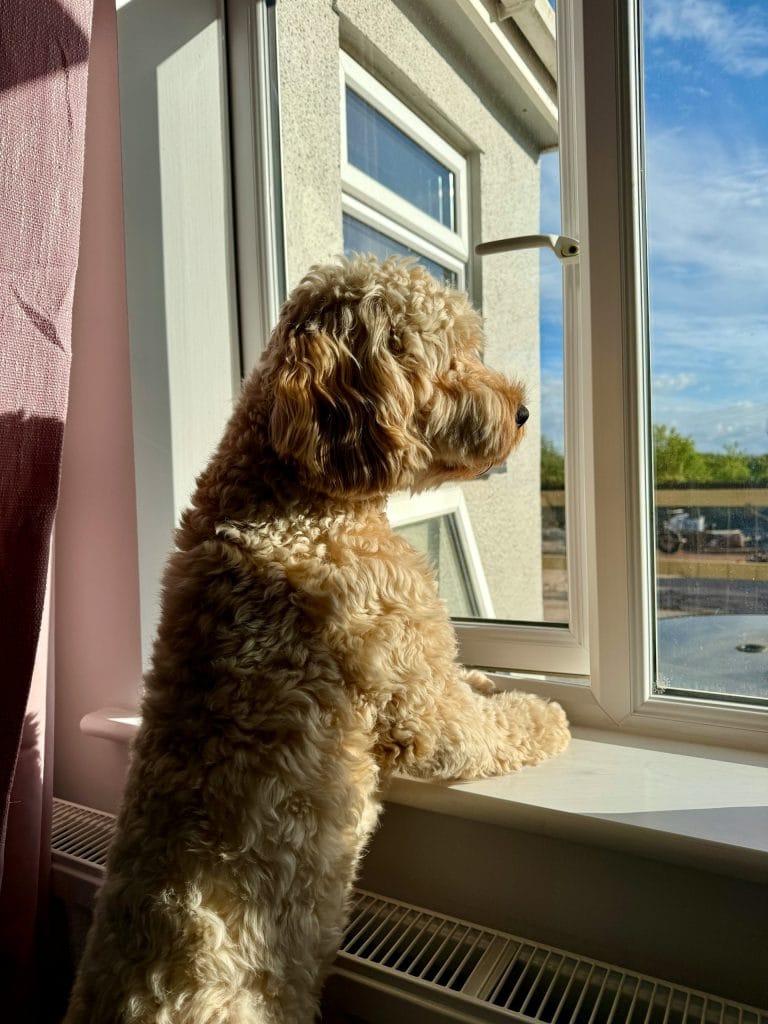
Useful features to look for include:
- enclosed garden or courtyard
- hard flooring in main living areas
- parking near the property
- hose, outdoor tap or utility space
- nearby beach or walking route
- dog-friendly pub within walking distance
- clear rules on number and size of dogs
If you are staying in an apartment, check stair access, lift rules and outdoor space. A sea view apartment may be perfect for a couple with a small dog, but less practical for a large or energetic dog that needs frequent outdoor breaks.

Think about the season
The best time for a beach holiday with a dog is often outside peak summer. Spring, early summer, September and autumn can work particularly well. Beaches are usually quieter, accommodation can be better value and there are often fewer dog restrictions than in July and August.
Winter can also be a good option if your dog enjoys long walks and you are happy with shorter days. Many beaches that restrict dogs in summer allow them throughout winter, and coastal towns are often easier to park in outside the main holiday season.
Summer can still work, but it needs more planning. Choose accommodation close to a beach with dog-friendly access, check shaded areas, avoid walking during the hottest part of the day and make sure there is fresh water available. Dogs can overheat quickly on sand, especially on still, sunny days.
For hot days, plan walks early in the morning or later in the evening. Use the middle of the day for shaded pub gardens, short town visits or time back at the property.

Plan beach days around your dog
A beach day with a dog is easier when you plan around their routine. Some dogs are happy to sit calmly beside you, while others want to run, swim, dig, sniff and keep moving.
Before heading out, check the tide times. At high tide, some beaches lose most of their sand, which can make walking more difficult. At low tide, you often get more space, firmer sand and better walking routes. This is especially useful on wide beaches in Norfolk, Cornwall and North Devon.

Take the basics with you:
- lead and spare lead
- water bowl and fresh water
- towels
- poo bags
- dog-friendly sunscreen if needed
- shade or windbreak
- treats
- familiar blanket for pub stops or cafés
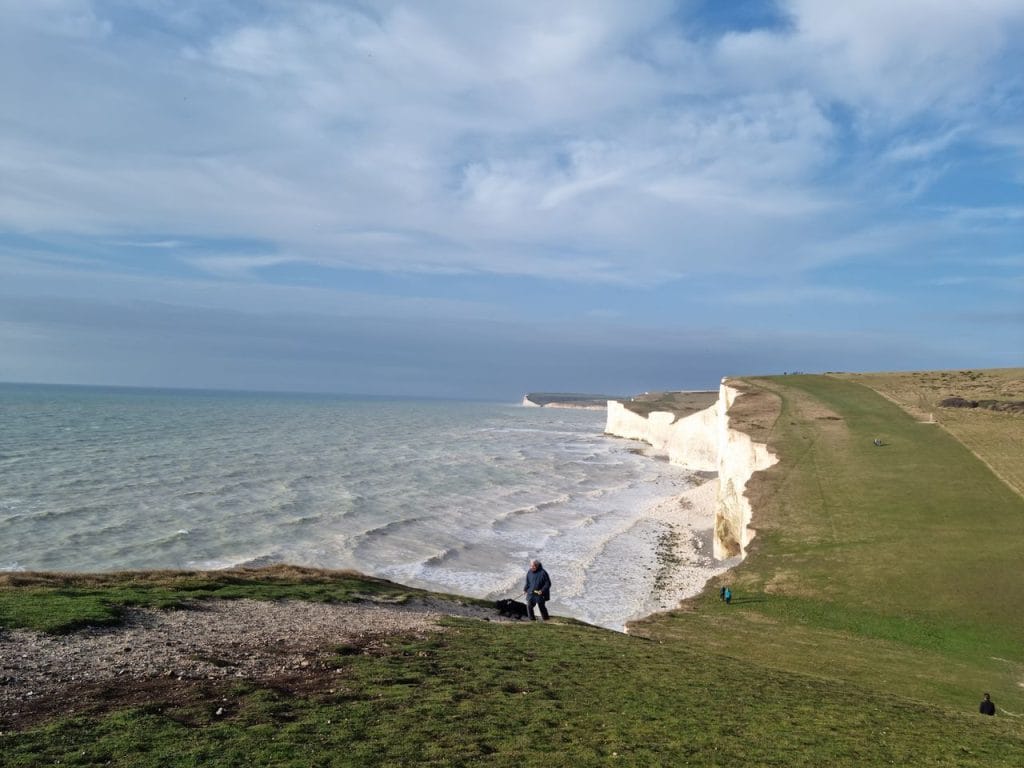
Always keep an eye on local hazards. These can include strong currents, cliff edges, sharp rocks, jellyfish, livestock near coast paths and nesting birds. Some coastal areas ask dogs to be kept on leads to protect wildlife, particularly around dunes, salt marshes and bird reserves.
Build in walks beyond the beach
A dog-friendly beach holiday does not need to revolve around the sand every day. Coastal paths, harbour walks, woodland routes and countryside trails can give your dog variety and help avoid busy beach areas.
This is one reason places like Cornwall, Devon, Dorset, Norfolk and Scotland work so well. You can mix beach walks with coast path sections, village visits and pub lunches. If the beach is restricted during the day, you may still have good walking options nearby.
For active dogs, coastal paths can be a highlight of the trip. Just check the terrain before you go. Some routes include steep steps, exposed cliffs or livestock fields, so they may not suit every dog. Shorter out-and-back walks are often better than committing to a long circular route you do not know.

Check dog-friendly places to eat
It is easy to focus on beaches and accommodation, but places to eat can make a big difference. A good dog-friendly pub, café or restaurant nearby means you do not have to leave your dog behind or drive every time you want a meal.
Before you travel, make a short list of dog-friendly places close to your accommodation. Check whether dogs are allowed inside or only outside, and whether booking is recommended. Coastal pubs can get busy in summer, especially in popular towns.
It also helps to know where you can pick up dog food, treats and supplies. A local pet shop or supermarket nearby can save stress if you run out of something during the stay.

Be realistic about travel
Long car journeys can be tiring for dogs, especially in warm weather. Plan breaks, water stops and short walks along the way. If your dog is not used to long journeys, a closer coastal destination may be better than a long drive across the country.
When choosing a destination, think about the whole journey, not just the beach. A cottage five hours away might look perfect, but a closer property with good walks and easier access could make for a better holiday.
If travelling by train, check pet rules before booking. Most UK train services allow dogs, but there may be limits on the number of dogs per passenger, and busy trains can be stressful. Choose accommodation close to the station or make sure taxis will accept dogs.
Choose the holiday around your dog, not just the beach
The best UK beach holiday with a dog is not always the one with the most famous beach. It is the one where the accommodation, local walks, dog rules and nearby facilities all work together.
A practical base near a dog-friendly beach can be better than a stunning property where every walk involves a drive. Likewise, a quieter coastal village may suit some dogs better than a busy resort town.
Before booking, ask yourself:
- Can we walk from the property?
- Are dogs allowed on the nearest beach during our dates?
- Is there somewhere to rinse and dry the dog?
- Are there dog-friendly places to eat nearby?
- Is the garden secure?
- Are there alternative walks if the beach is busy or restricted?
Get those details right, and the holiday becomes much easier. With the right base, clear beach rules and a few plans for wet days, a UK beach break with your dog can be simple, relaxed and enjoyable. To find the perfect retreat for you and your faithful canine, browse our entire collection of dog friendly coastal cottages for rent, many that benefit from sea views and direct beach access.