Our Cumbria Holiday Cottages by the Sea
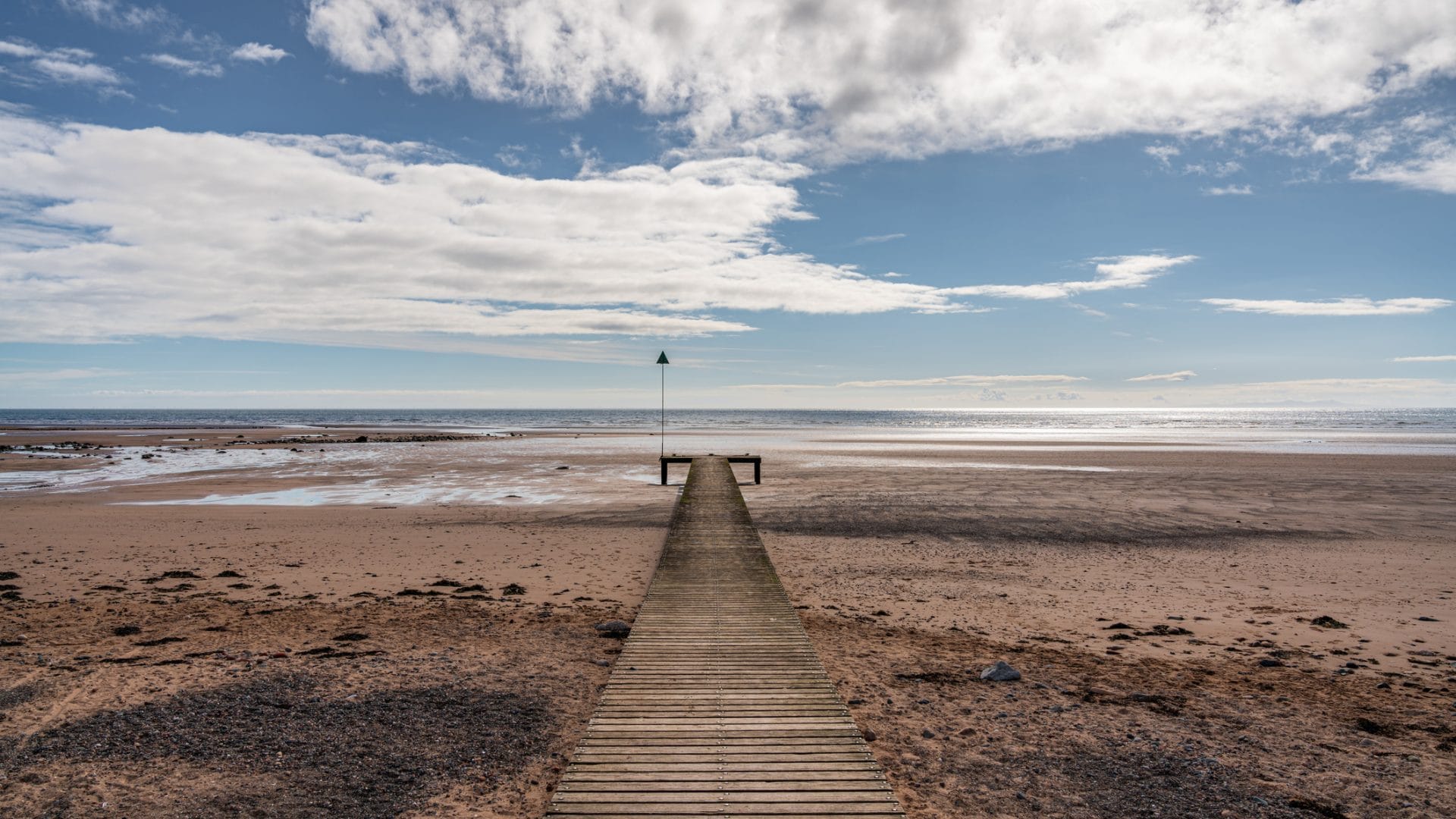
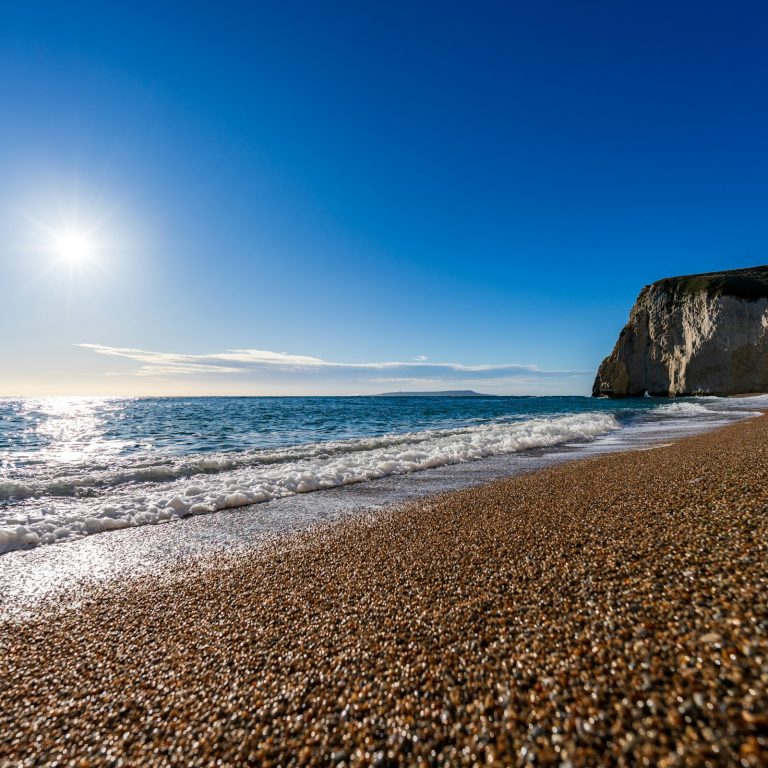
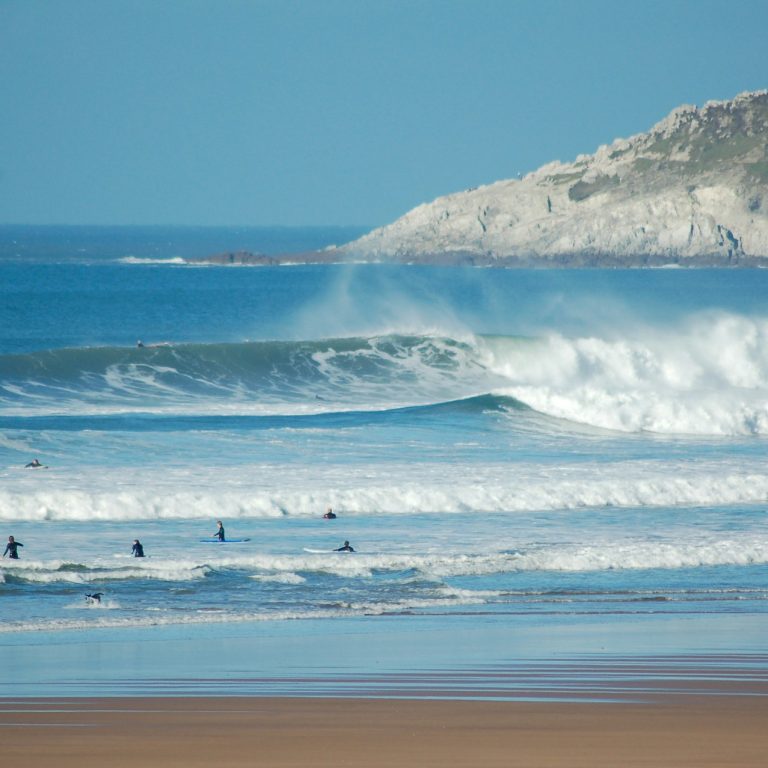
Cumbria’s coast is much quieter than many of England‘s traditional seaside regions. Much of it looks across the Irish Sea, with the shoreline changing between estuaries, sand dunes, beaches and sandstone cliffs. St Bees Head is a particular highlight, with cliffs rising above the coast and an RSPB reserve known for its breeding seabirds.
The Lake District is also unusually close to the sea. Ravenglass lies within the Lake District National Park at the meeting point of the Esk, Mite and Irt estuaries, while valleys including Eskdale, Wasdale and Ennerdale lead inland towards the fells.
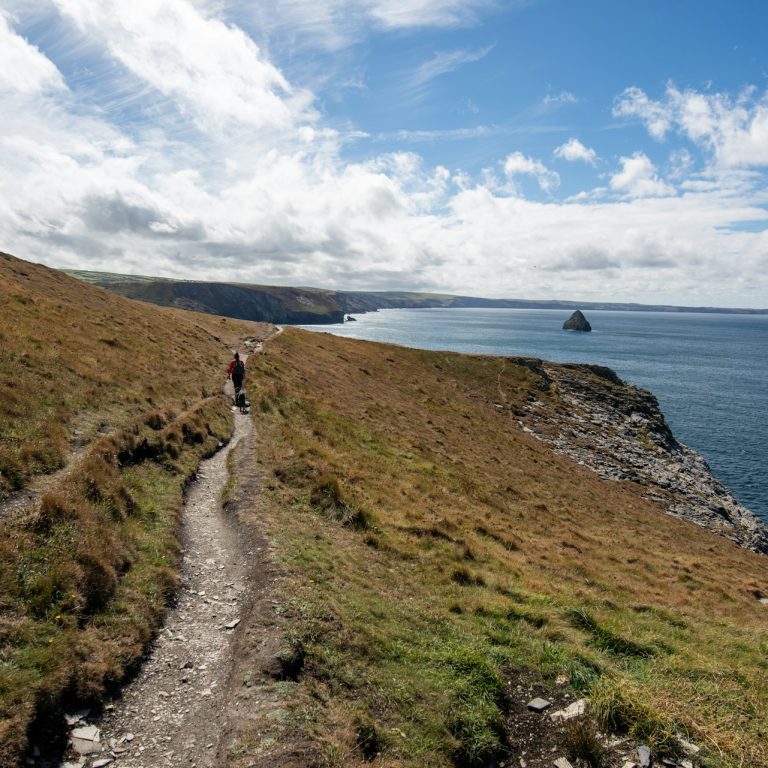
Walking and cycling are easy to include in a stay. St Bees marks the western end of the Coast to Coast route, and coastal routes connect many of the towns and villages further north.
Coastal Towns, Railways and Places to Visit
Ravenglass is a small coastal village with a surprisingly large amount to see nearby. The Ravenglass & Eskdale Railway runs inland through Eskdale, while Muncaster Castle and its gardens are just outside the village. Ravenglass also has Roman remains and a station on the Cumbrian Coast railway line.
Further north, Whitehaven has a Georgian town centre and harbour shaped by its maritime and mining history. The Beacon Museum and The Rum Story explore different parts of the town’s past, and the coastal path south of Whitehaven leads towards St Bees.
Maryport has a harbour, aquarium and Roman museum, while Allonby is a smaller former fishing village overlooking the Solway Firth. From its beach there are views towards southern Scotland on clear days. Silloth lies further north on the Solway coast and provides another traditional seaside stop.
Staying on the coast doesn’t restrict you to seaside attractions. Depending on where your cottage is located, day trips can take you into Eskdale, Wasdale and the western Lake District.
Cottages for Two, Family Holidays and Bigger Coastal Stays
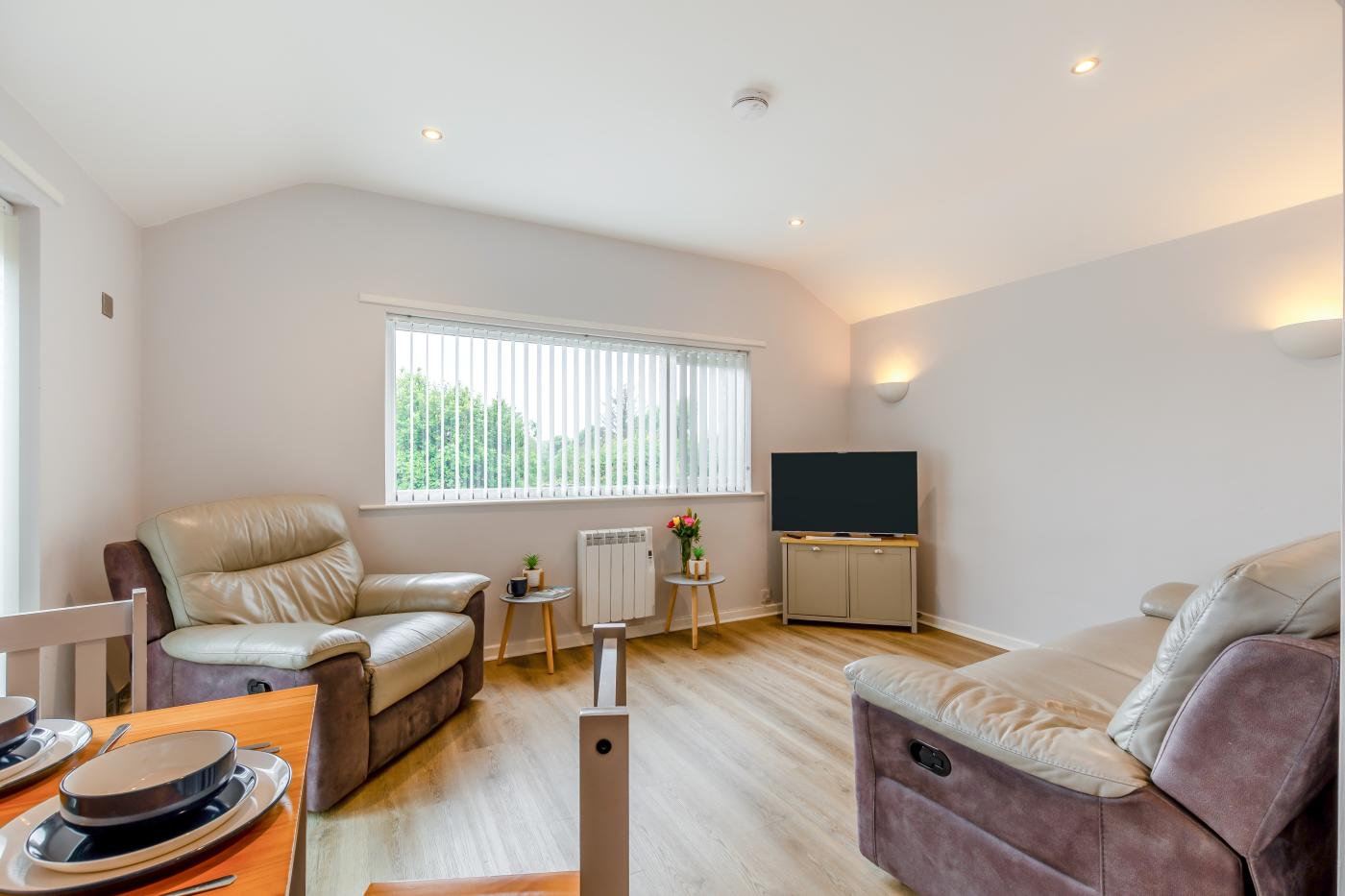
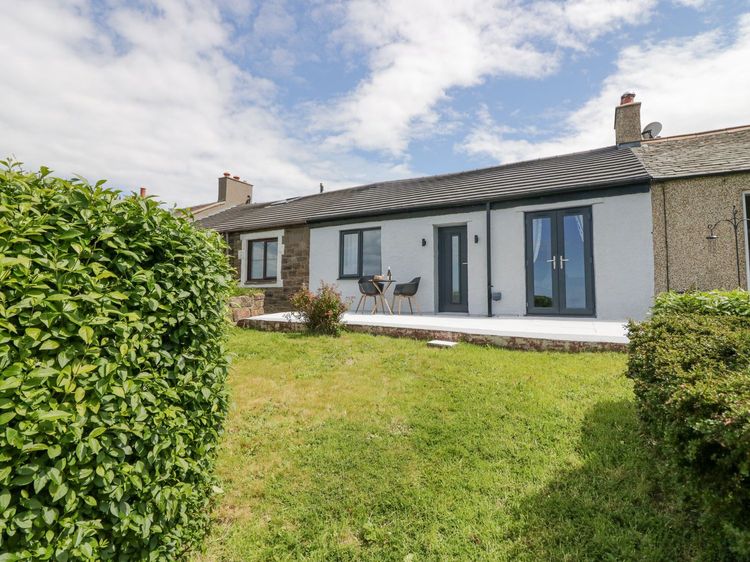
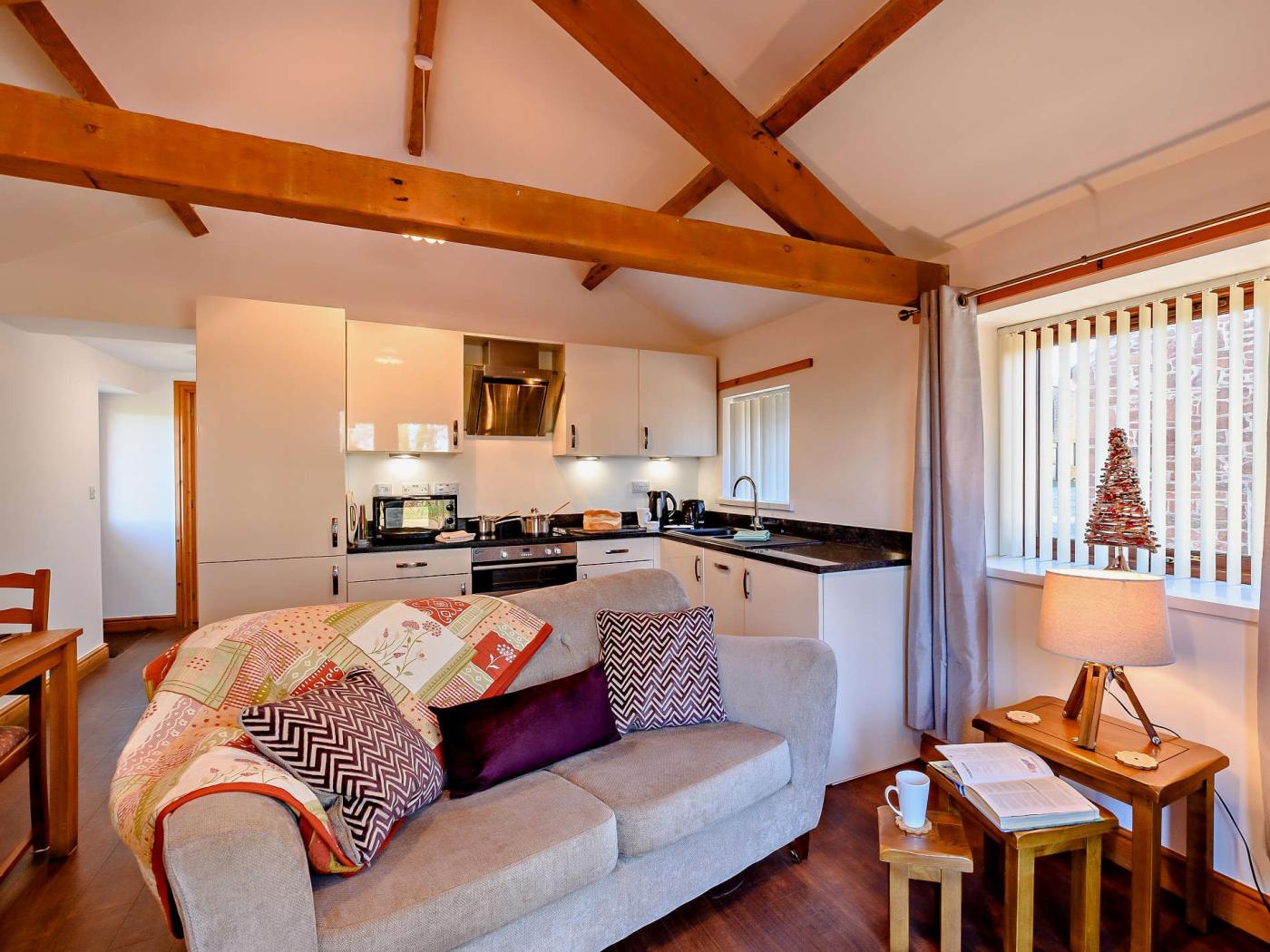
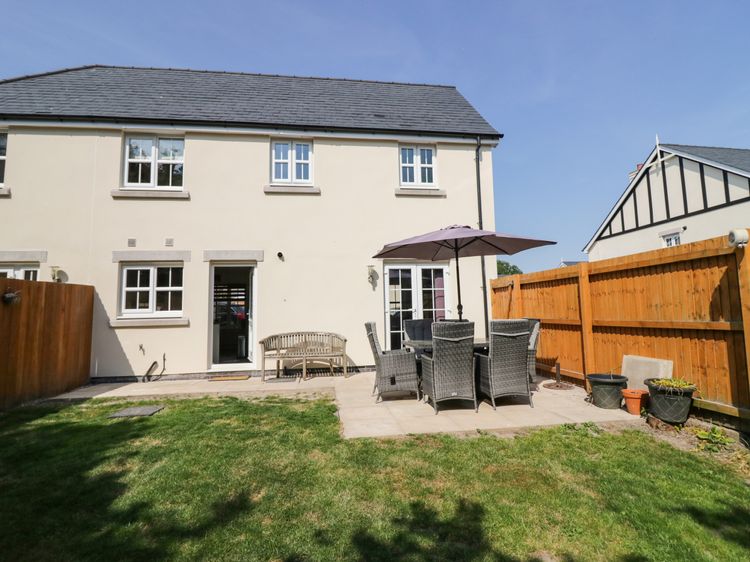
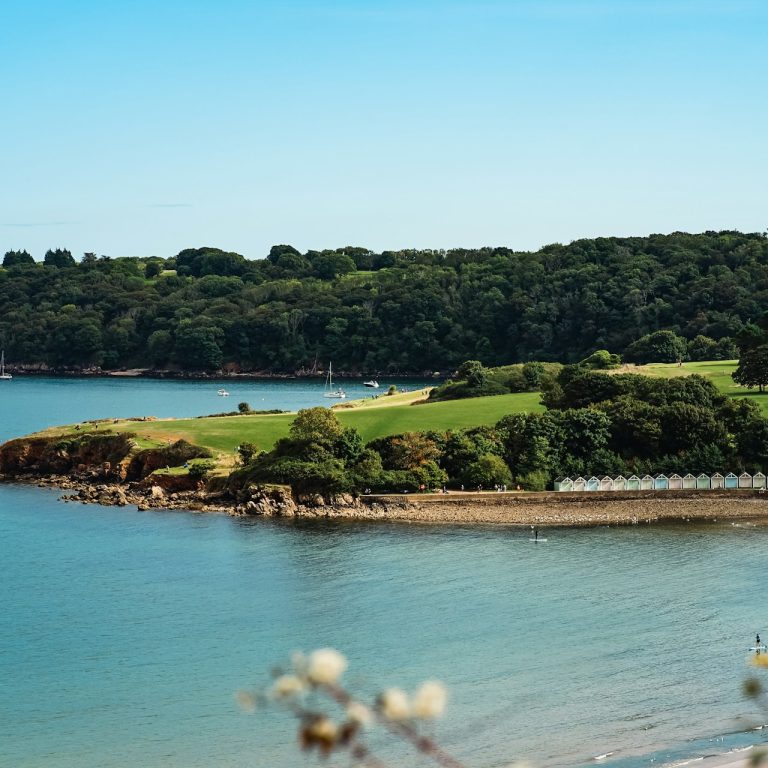
Cumbria’s coastal accommodation is spread between small villages, harbour towns and more rural locations. Couples can choose traditional cottages and apartments, including sea view properties overlooking the Irish Sea, Morecambe Bay or the Solway Firth. Families may prefer detached cottages and houses with gardens, parking and enough space for beach equipment and walking gear.
For a holiday with several generations or two families travelling together, larger coastal houses provide additional bedrooms, bathrooms and communal space. Some also have games rooms, large gardens or dining areas designed for everyone to eat together.
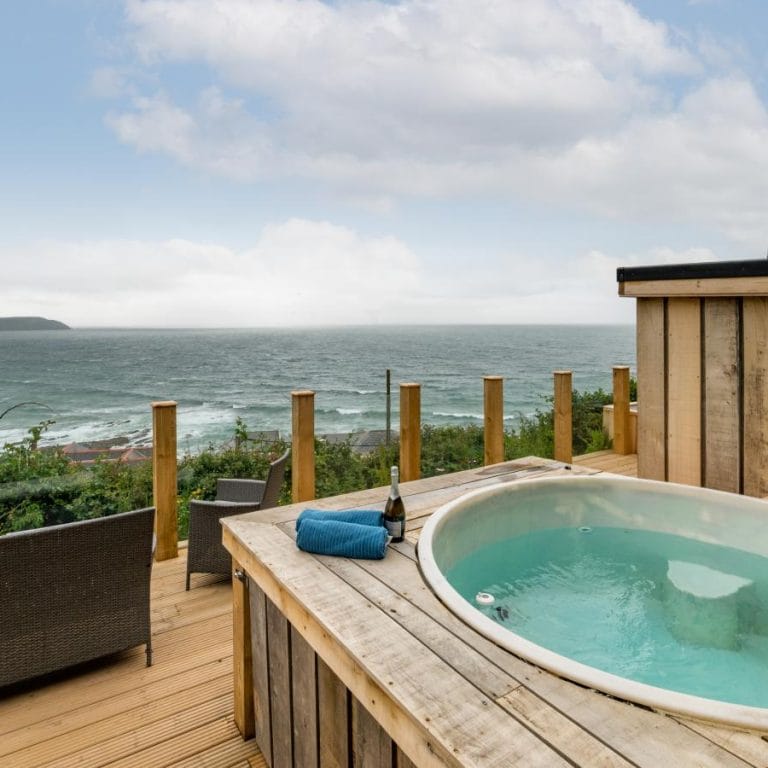
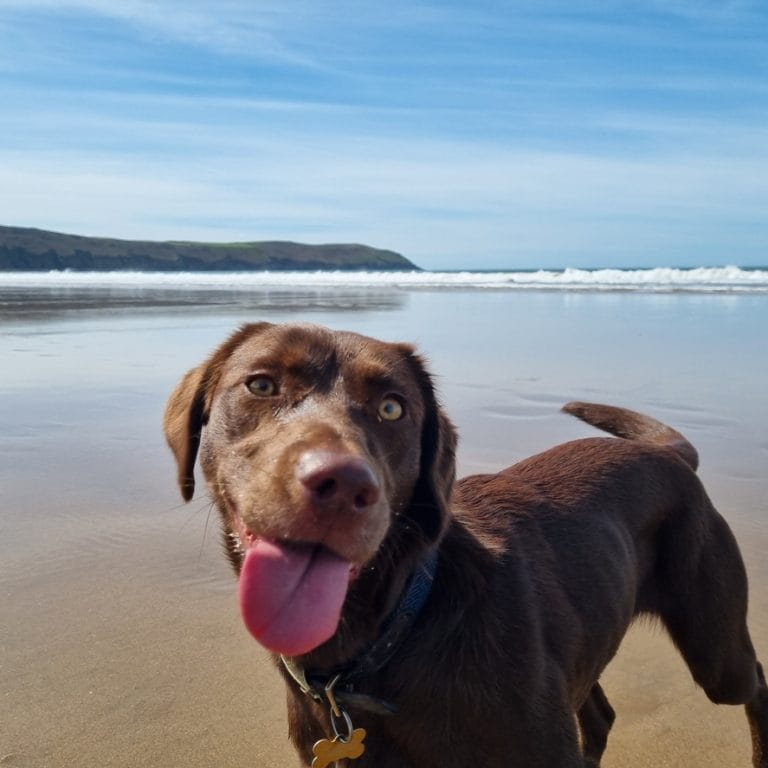
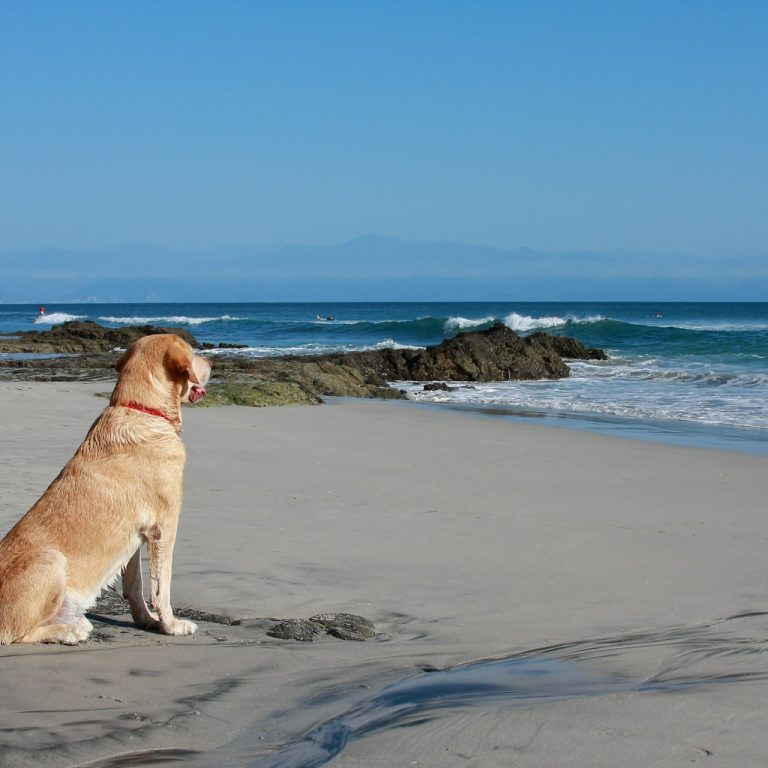
Dog-friendly cottages work particularly well for visitors planning to spend much of their holiday outdoors, with beaches and coastal walking routes available around the county. If you’re looking for a few extra features at the property, the collection also includes coastal cottages with private hot tubs.
There are sea view cottages with balconies and outdoor seating, as well as properties only a short walk from the shore. Direct beach access is available at selected properties, particularly around less developed parts of the coast.
St Bees, Silecroft and Beaches Around the Cumbrian Coast
St Bees is one of the best-known beaches on the west coast of Cumbria. Its long beach sits below the red sandstone cliffs of St Bees Head, and the clifftop route north leads towards the secluded Fleswick Bay.
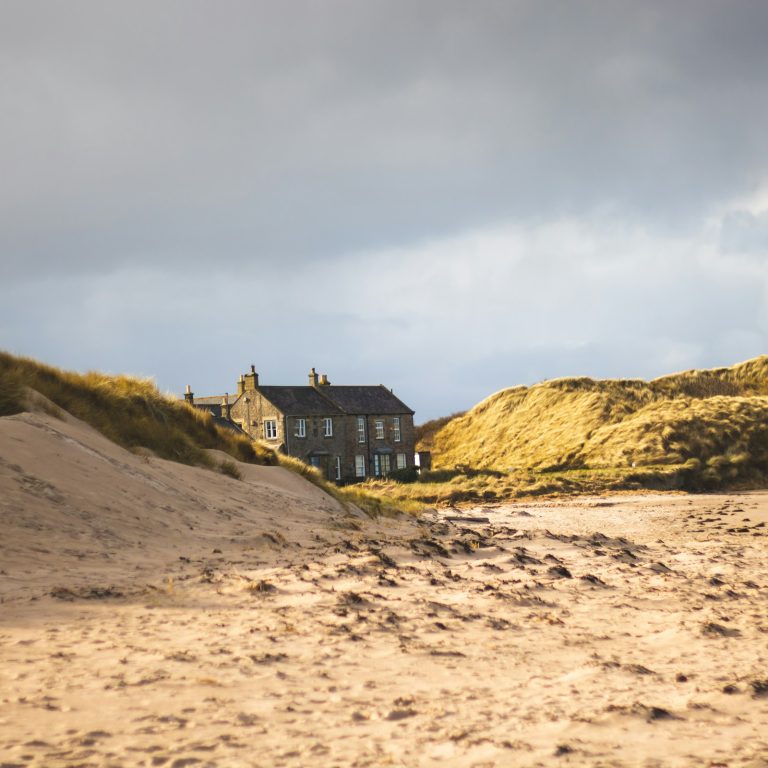
Further south, Seascale has a beach and promenade with views across the Irish Sea, while the coastline around Drigg is backed by extensive sand dunes. Silecroft, near Millom, provides another long stretch of beach on the southern Cumbrian coast. Ravenglass is different again, with a shingle shoreline at the point where three river estuaries meet.
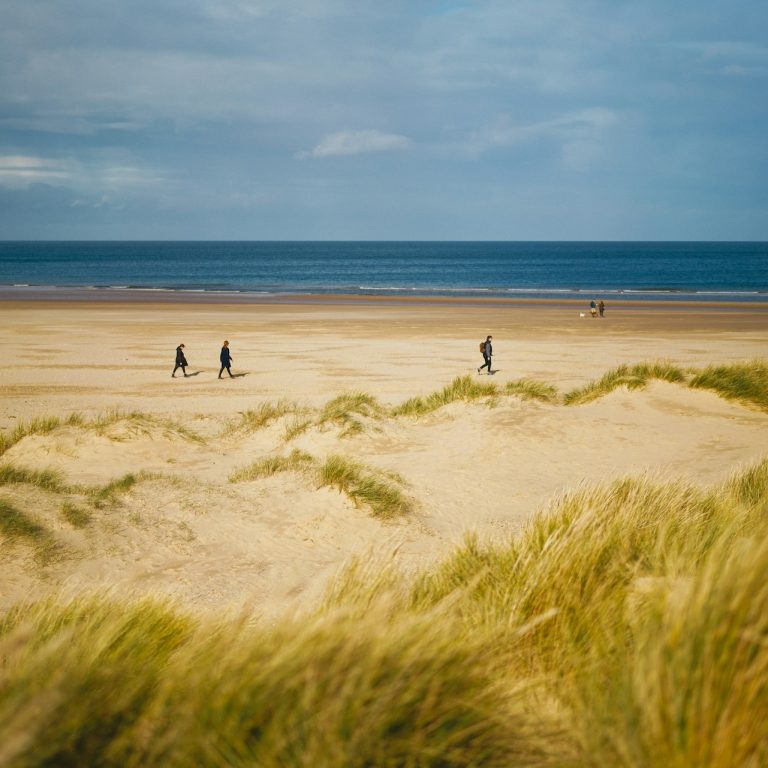
North of Maryport, Allonby has a long sandy beach looking across the Solway Firth towards Scotland. The coast continues towards Silloth, with beaches, dunes and saltmarsh around this northern part of Cumbria.
Facilities vary considerably. St Bees and the coastal towns have parking, places to eat and other amenities nearby, while some of the quieter beaches have relatively little development. The Solway and Morecambe Bay also have extensive tidal areas, so visitors should pay attention to local safety information and tide times when exploring the shoreline.