

Trusted source of coastal cottages for over 10 years

Professionally managed and regularly inspected

Book securely with the property manager
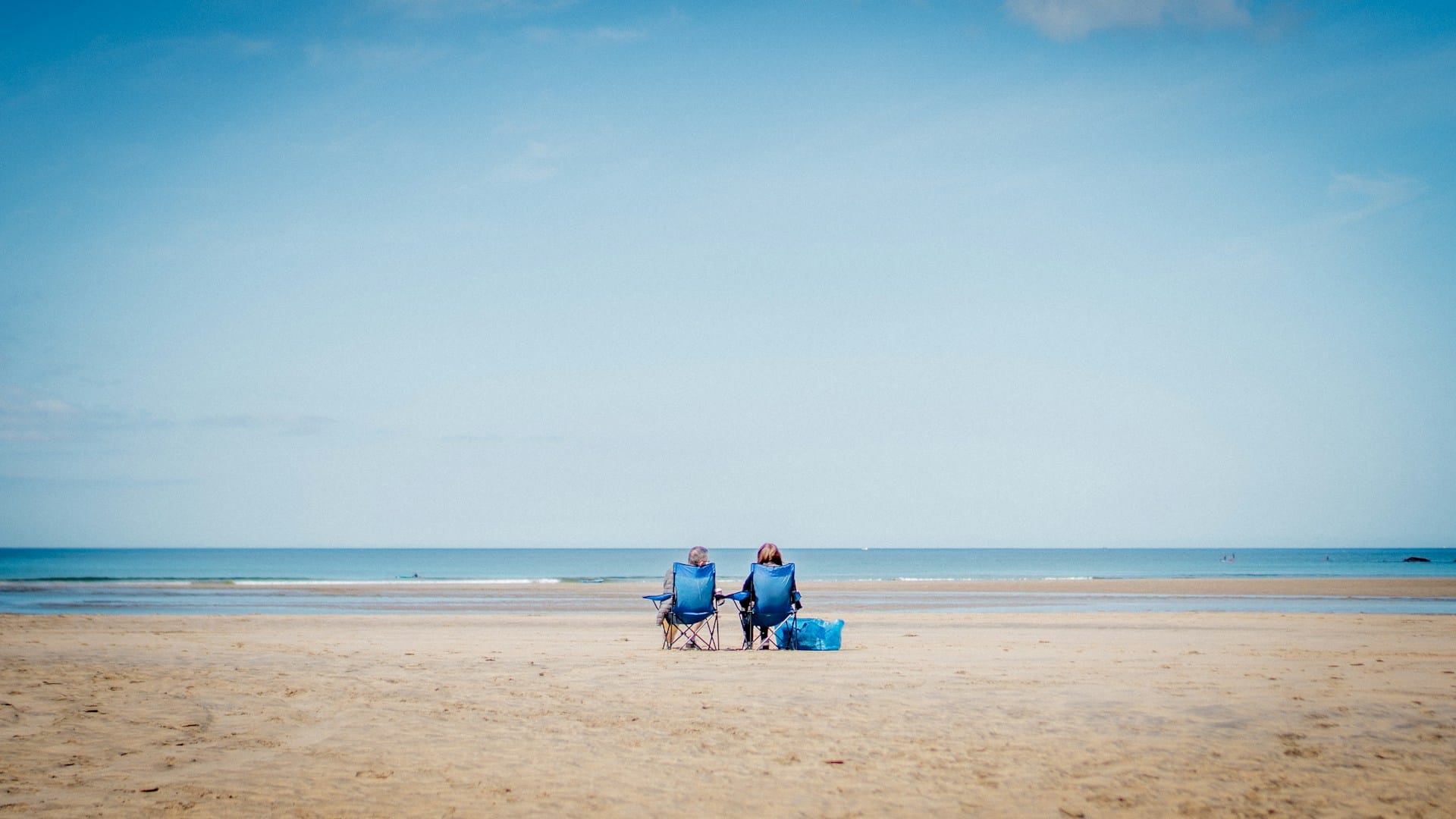
There is a persistent undeniable pull towards the sea. Not just for holidays or scenery, but something deeper, something instinctive. We are drawn to the coast in a way that feels less like choice and more like a recognition that we need it.
The human body did not evolve in the manufactured environments we now inhabit. It’s crowded, noisy, synthetically lit and overloads us cognitively. We evolved in open, natural landscapes shaped by rhythm, light, air and movement. The coast, more than anywhere else, delivers this natural environment in an impactful and potent dose.
The Sea is a Recalibrator
We often think of the coast as somewhere to escape to. But biologically, it functions more like a regulator, a place where the body recalibrates the nervous system that modern life disrupts.
Modern environments tend to push the body toward constant stimulation. The nervous system remains elevated far too long, attention is fragmented, and stress hormones linger longer than they should. The coast does the opposite. There is less to process, fewer decisions to make, fewer signals to interpret. The result is not just psychological relief, but a measurable shift in how the body functions, how its hormones and nervous system function. The brain encounters something it rarely experiences inland: predictability and space.
For the mind, the wider the vision, the more water and waves the better. And there’s no excuse… in the UK the furthest you can be from the coast is just 70 miles!
What Happens When You Arrive at the Coast
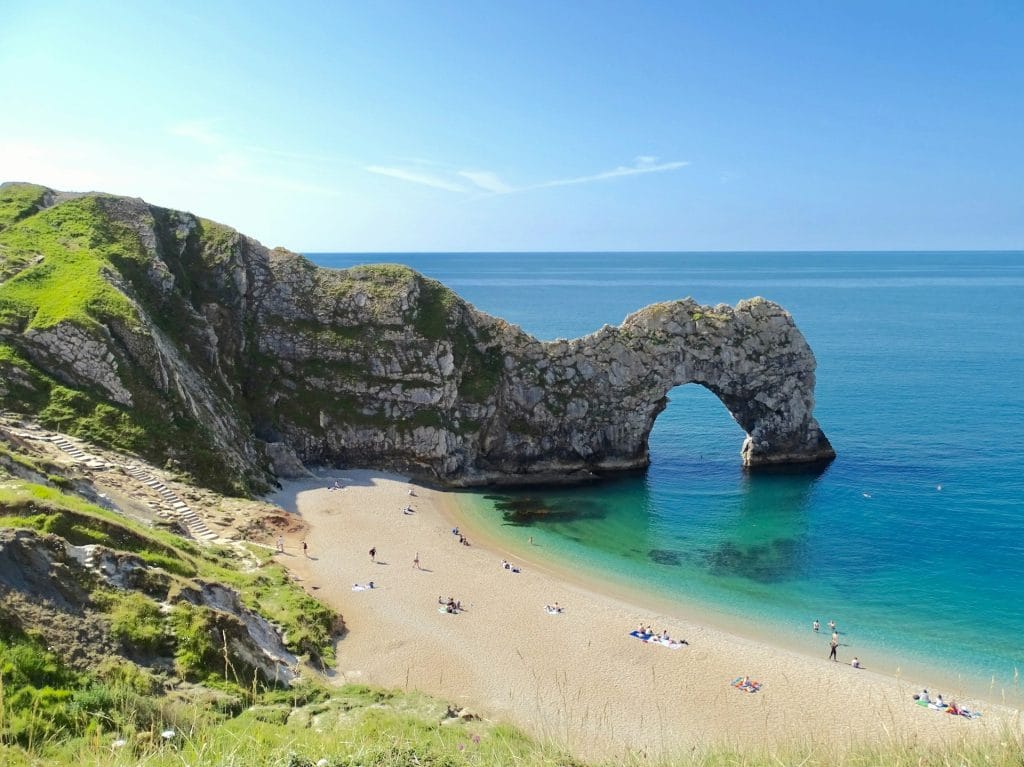
The moment you arrive at the coast your breathing shifts into a slower pace. This matters. Breathing is one of the fastest ways the body regulates itself. Slower breathing signals safety, which begins to reduce the underlying stress response in the nervous system.
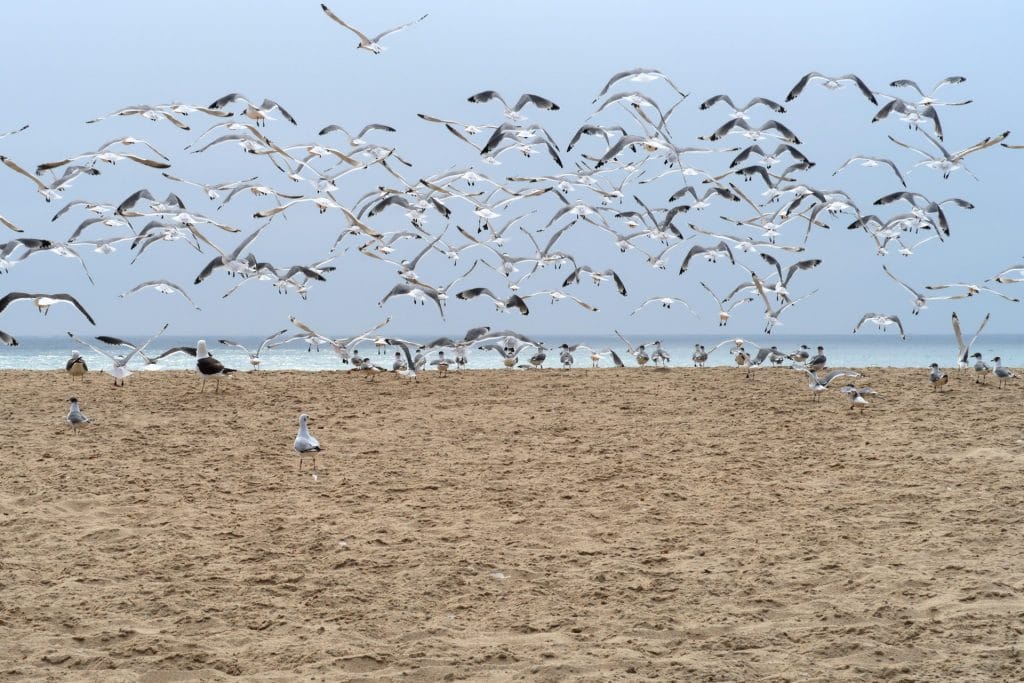
At the same time, the sound of the sea begins to take over. Waves break in a steady, repeating rhythm. The brain responds to this rhythmic pattern by slowing its own activity from anxious beta brainwaves to calm alpha waves. Thoughts become less urgent, less crowded. This is not relaxation as an idea. It is relaxation as a physiological process.
Without thinking about it, you’ll find your breath becomes slower and deeper. Being by the coast will open your mind and body at a profound level. You’ll find that the air here feels sharper, cleaner, and more expansive.
The Nervous System Begins to Settle
If you stay by the sea long enough, the body shifts even further. The nervous system moves away from its alert state and into one designed for recovery. Heart rate slows, muscles release tension, your brain may even slip into theta brainwaves and the constant background “readiness” that defines modern life will fade away.
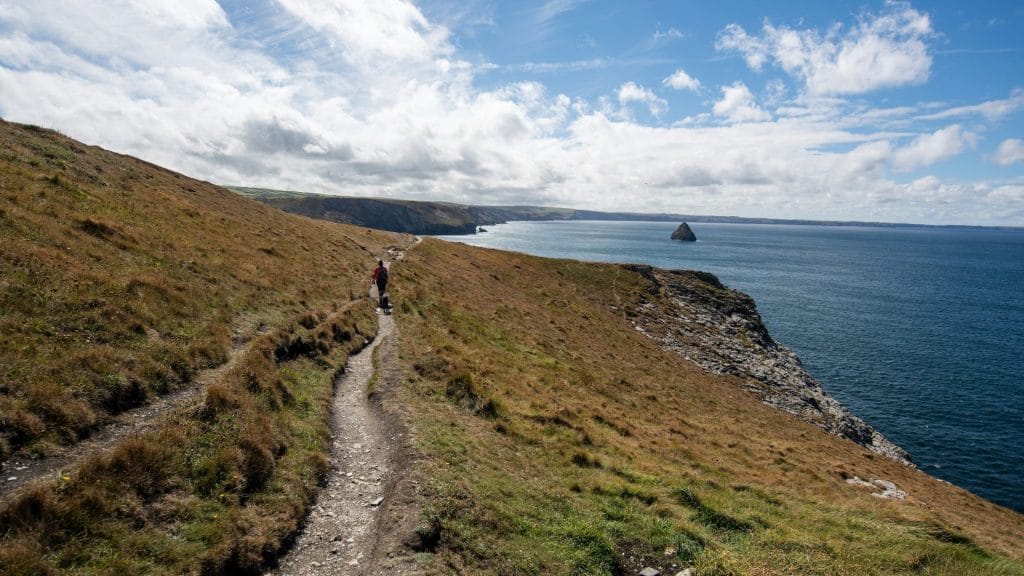
Coastal walking can deepen this effect because it combines movement, open views and steady exposure to the sea. Following one of the many coastal paths in the UK will give your mind something simple to focus on while your body settles into the natural rhythm of walking, breathing and looking out across the water. It is one of the easiest ways to spend more time by the sea without needing to plan anything complicated.

Why the Horizon Changes How We Think
One of the most powerful features of the coast is also the simplest: the horizon. Looking out across open water, whether from Camber Sands in East Sussex or the cliffs of Flamborough Head in Yorkshire, the visual field becomes uninterrupted. There is nothing to focus on, nothing to analyse. This reduces the cognitive load placed on the brain.
But it does something else too. The scale of the ocean introduces perspective. Problems that felt immediate and overwhelming begin to feel smaller, less fixed. This is not distraction, it’s a change in how the brain processes importance. Psychologists refer to this as a shift away from self-focused processing. At the coast, attention expands outward. It’s a very simple, effortless way to clear and reset your mind.
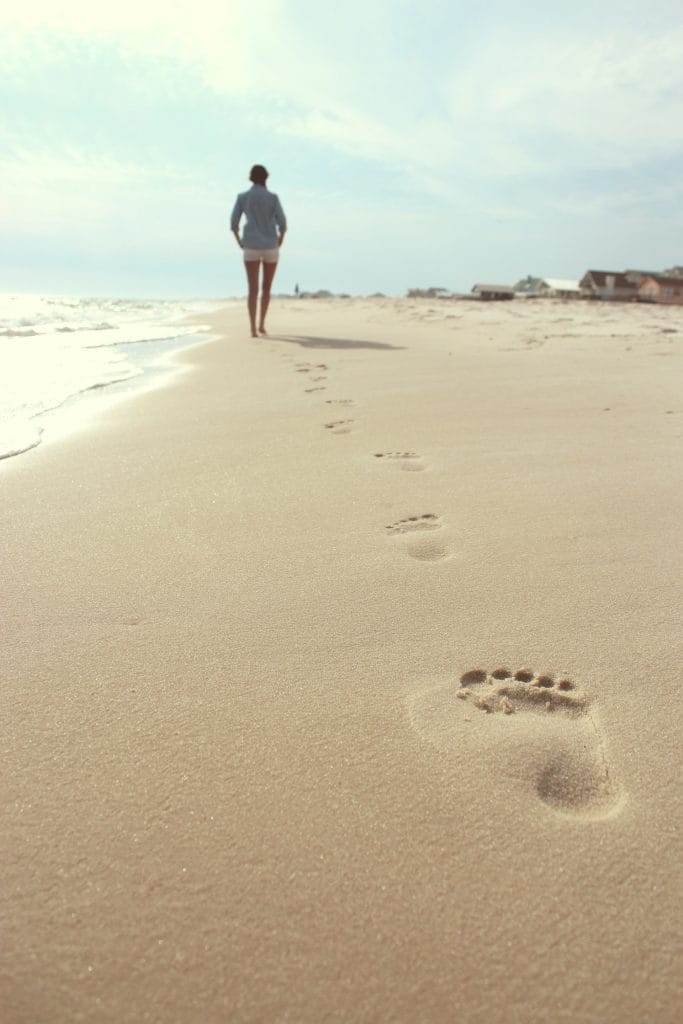
Movement Returns to Its Natural State
Away from structured environments, movement becomes instinctive again. You walk, not because you planned to, but because the coastline invites it, and distance becomes almost irrelevant. You keep moving without noticing, normally towards the shore.
The body benefits from this in so many ways that feel totally incidental. Sand shifts underfoot, engaging muscles that are rarely used on firm ground. Balance adjusts constantly. Small variations in terrain add complexity – all brilliant for the joints. It is physical activity, but without the mental framework of “exercise.” And that changes everything.
The bonus is, if you’re with someone, you’ll find yourself opening-up and cleansing your soul in such a light and natural way. It’s truly therapeutic for the mind, body and soul.
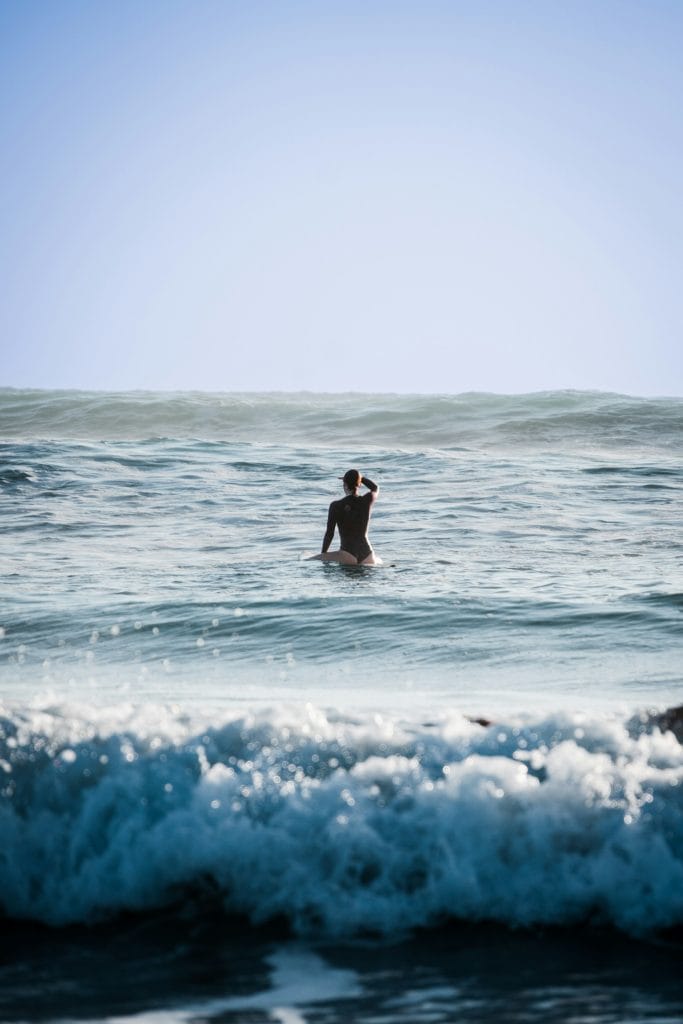
The Shock of Cold Water, and What Follows
Eventually, most people find themselves at the edge of the water. The first contact with cold seawater is immediate and intense. The body reacts quickly; breath sharpens, heart rate rises, awareness narrows. And what follows is just as important.
As the body adapts, it releases a surge of all kinds of natural chemicals (norepinephrine, dopamine, endorphins) that improve mood and reduce tension. Circulation increases. The initial shock gives way to a feeling of happiness, energy, clarity and calm.
This contrast (stimulation followed by recovery) is one of the most effective ways the body resets itself, hence the wild swim trends. The surge in dopamine alone can increase by 250% but norepinephrine can surge by 530%! This is a natural antidepressant, but unlike the pill version it gives alertness, clarity, focus.
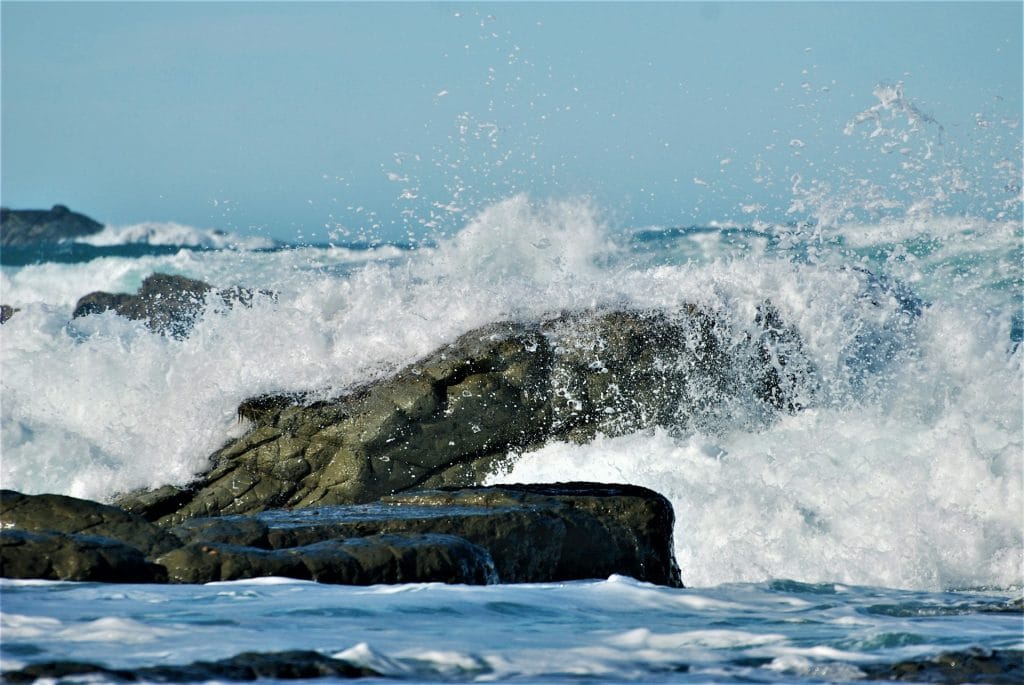
The Air You Breathe Is Not Neutral
By the sea, the air itself is active. Not just ‘salty’ but more like a complex mix of aerosols. Each breaking wave releases microscopic particles of salt, and negatively charged ion molecules into the atmosphere.
Breathing becomes easier, thanks to the salt particles and the mind more alert yet less strained, thanks to the ions because of how they interact with our serotonin.
It’s a reminder that the coastal environment is not just a backdrop. It is something the body is constantly interacting with. Along coastlines with wave action this is especially noticeable and there are plenty of those around the UK.
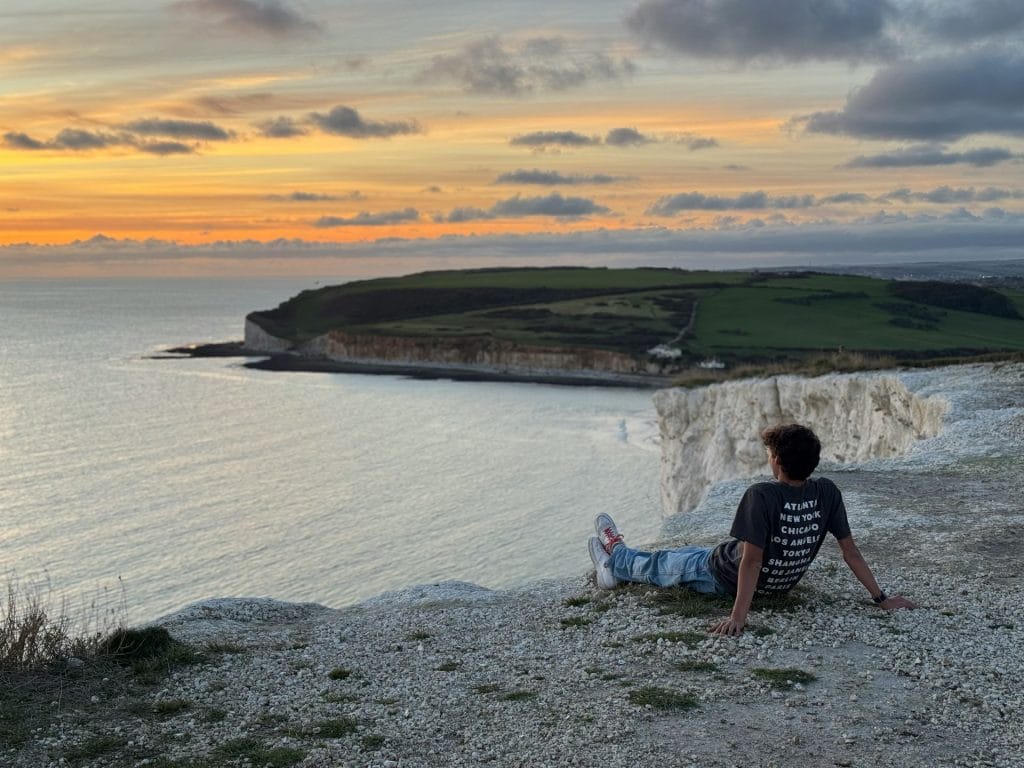
As the Day Ends, the Body Adjusts
After time spent at the coast, the longer the better, the effects begin to consolidate.
Light exposure has been more natural and consistent, helping support the body’s circadian rhythm. Movement has been varied but unforced. Stress levels have gradually reduced, and sleep, which is deeper and less interrupted, tends to come more easily.
By the time you leave, your body is in a very different state from when you arrived. Not because anything specific was done, but because your body has been allowed to return to its natural rhythm. Research into blue spaces and wellbeing by Dr Mathew White helps explain why time near the sea can have such a noticeable effect, so give yourself a break and head to the coast!
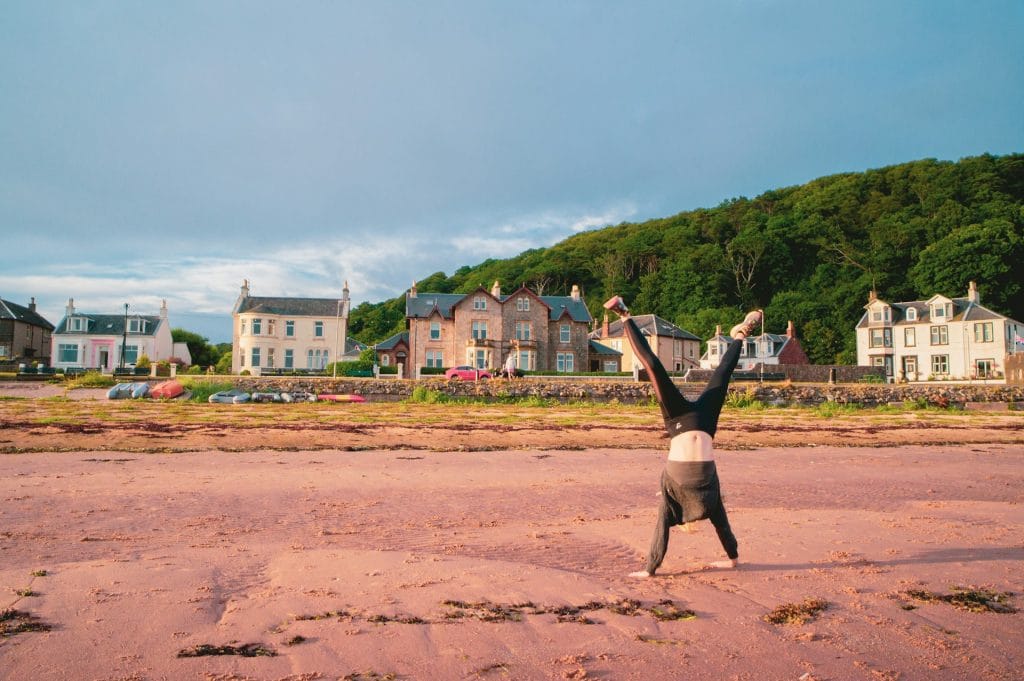
Why We Keep Coming Back
It’s because the coast doesn’t force change. It allows it. It removes interference (noise, pressure, complexity) and in doing so, it gives the body space to regulate itself. This is why the effect feels so different from other types of rest. It is not passive. It is active, but in a way that requires no effort.
We return to the sea not just because we enjoy it, but because we function better there. It reflects a deeper truth about how the human body responds to the environment. When conditions align – rhythm, space, air, light – the systems that govern stress, focus, movement and sleep begin to recalibrate. The coast provides those conditions.
Plan a Coastal Escape That Does You Good
If the sea helps you feel calmer, clearer and more refreshed, a coastal break is a natural place to start. From long sandy beaches in Wales to popular seaside towns in Cornwall, the UK coastline offers plenty of places to slow down, breathe properly and spend time by the water. Browse our collection of sea view properties and find a seaside stay that gives you space to rest, recharge and enjoy the benefits of being close to the coast.