

Trusted source of coastal cottages for over 10 years

Professionally managed and regularly inspected

Book securely with the property manager
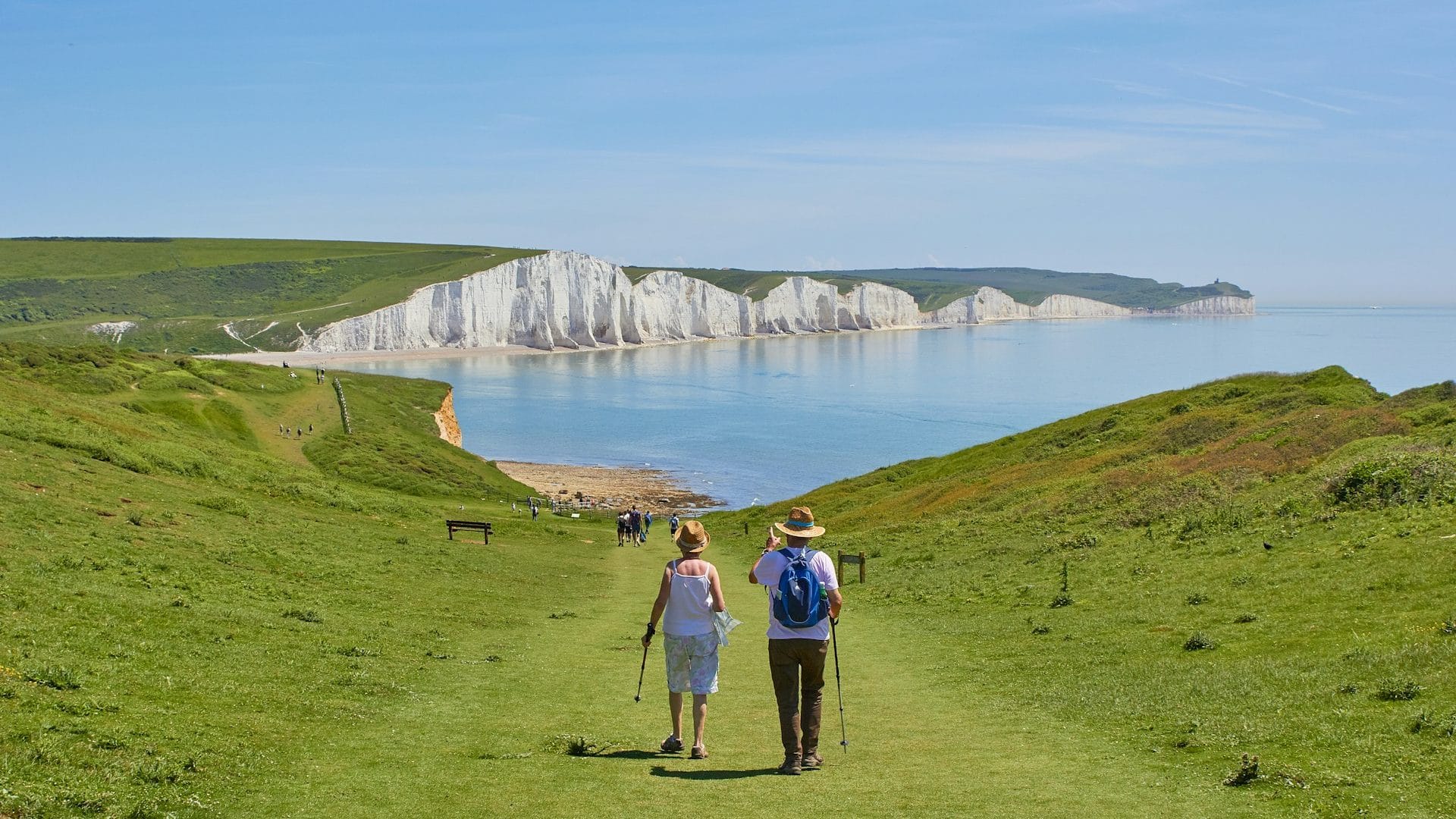
There are moments in a country’s story that quietly redefine what it means to live there. The King Charles III England Coast Path is one of them. This is far bigger than just another landmark or a fleeting attraction, it’s a national treasure, a 2,700 mile (4,500 km) invitation to rediscover our entire coastline. A path that now holds the title of the longest coastal walking route in the world! Let that sink in. The longest coastal path on the planet… and it’s ours.
A once-in-a-generation legacy
This national legacy (initiated by the Ramblers and approved by Gordon Brown) is the result of decades of work, bringing together landscapes, communities, and centuries of coastal history into one continuous experience thanks to the creation of 1,000 miles of new path and the improvement or incorporation of over 1,700 miles of existing routes.
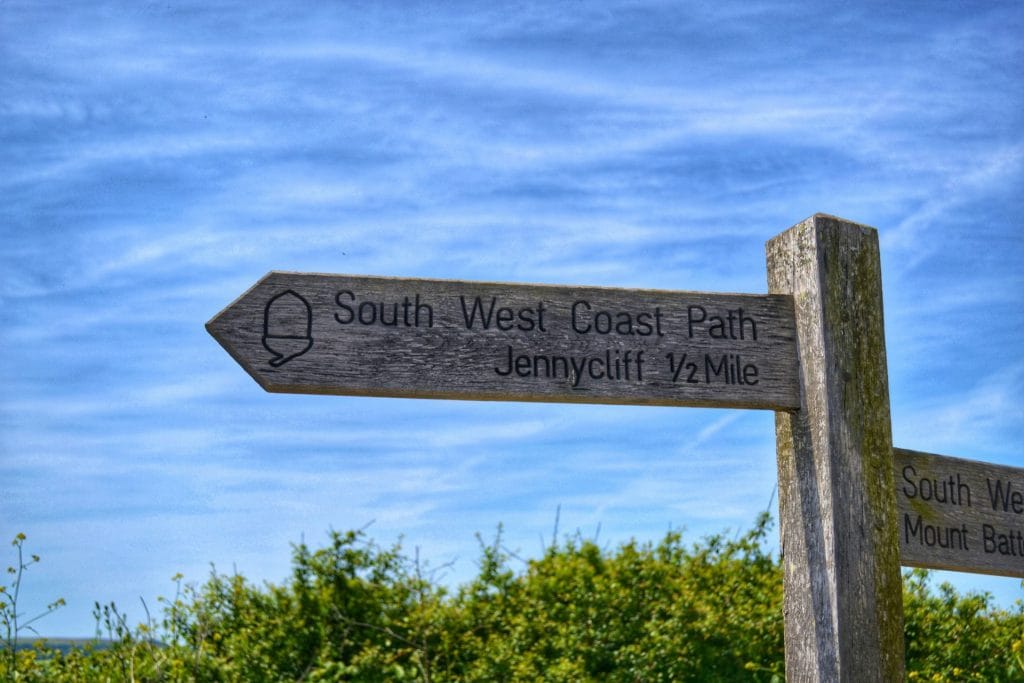
For the first time ever, you can follow the edge of England from the Scottish border all the way around to the other side of the country without hitting dead ends, private land, or “no entry” signs. And, it seamlessly links to the Wales Coast Path (the world’s first such coast path) adding an extra 870 miles (1,400 km)!
And you’re not just confined to a path, this project has given us all the rights to our Coastal Margin, meaning the right to explore every beach, dune, clifftop, and shoreline. This isn’t just access, it’s freedom and it belongs to all of us.
Why this path matters more than ever
We live in a time where, sadly, most of life happens indoors, where screens, schedules, notifications and deadlines govern our freedom. And yet, right here in Britain, we now have this free, accessible, uninterrupted coastal path waiting to be explored.
This path is about rebalancing something this nation has lost. The simple act of slowing down and just being. Because there’s something deeply grounding about walking beside the sea and feeling the rhythm of waves, the pull of the horizon, the shifting tide and sky. It heals and calms you.
What makes this path extraordinary?
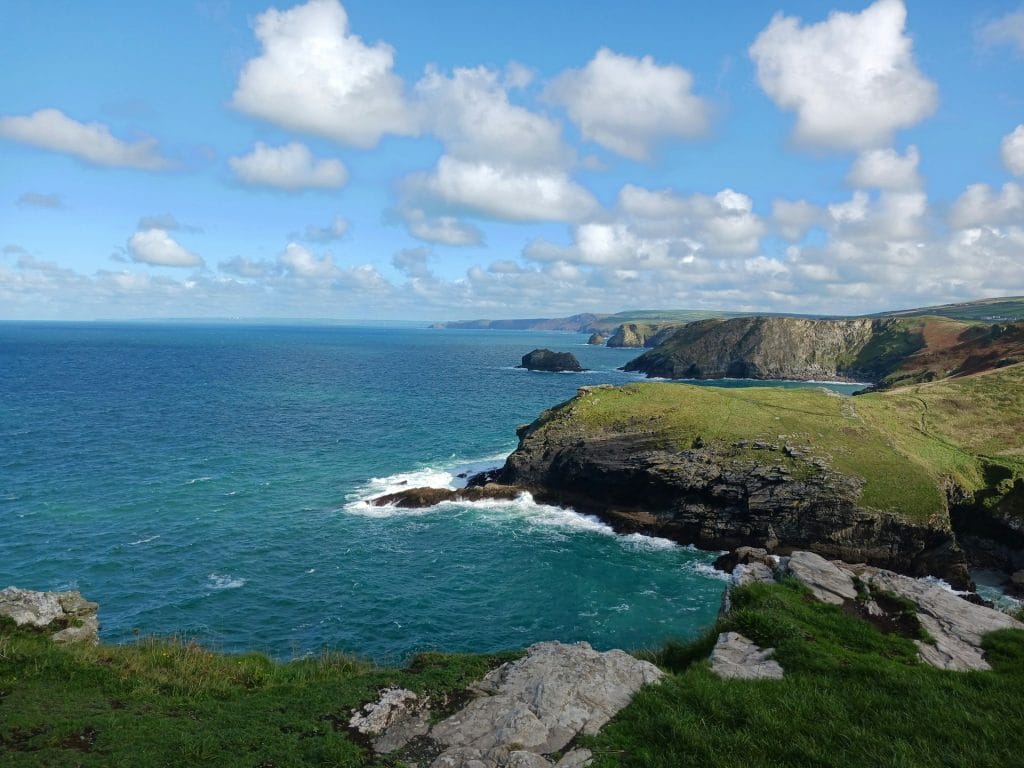
The King Charles III England Coast Path connects everything that makes the English coastline so special: The wild cliffs and crashing surf in Cornwall and North Devon, the English Riviera and estuaries of South Devon, the soft dunes and huge skies of Norfolk, the historic ports and estuaries in the south-east, the remote beaches and castles of Northumberland and the traditional resorts of Yorkshire.
It’s a journey through geology, history, culture and wildlife, all stitched together by the edge of the sea. One day you might be walking past Roman ruins, the next, through a nature reserve alive with birdlife and seals. Or, perhaps along a harbour where fishing boats still deliver mackerel, lobster or oysters. There is no single “highlight”, and that’s exactly the point, because it’s real. It’s where humans and nature unite most naturally.
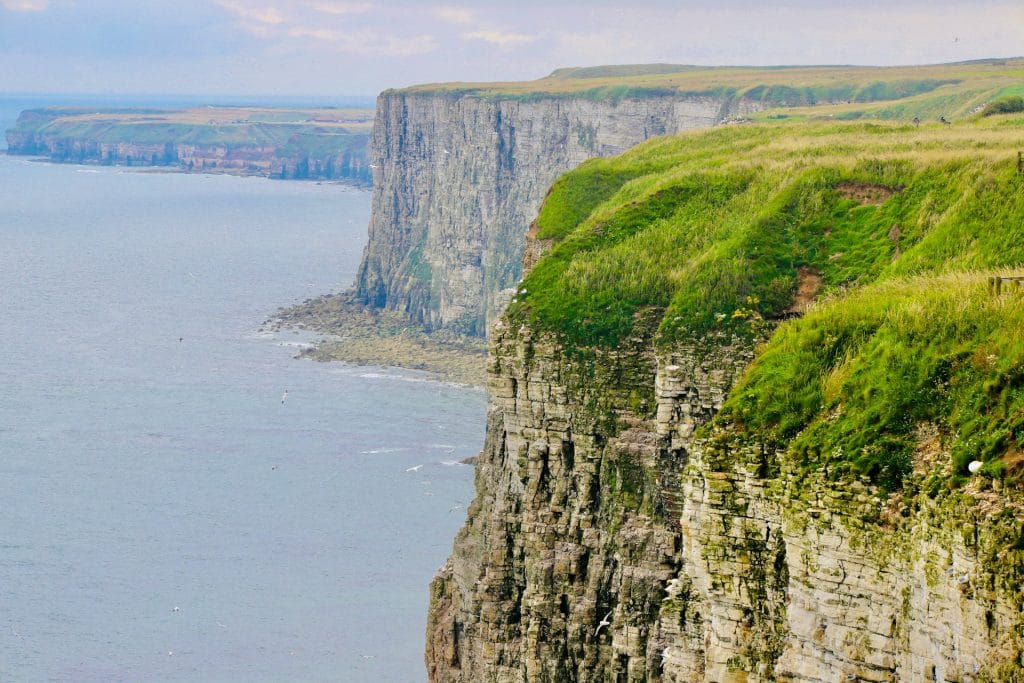
A front-row seat to British wildlife
If you appreciate nature, you’ll find that this is one of the richest wildlife corridors in the UK, where you could see flocks of rare sea birds, like Puffins, or Seals and their pups, and even Dolphins and Porpoise. Places like the Farne Islands, Bempton Cliffs, and the Norfolk Coast become even more accessible, bringing people closer to wildlife.
In spring it blooms colour across our shores, amazing migratory birds stop-over to rest, nest and hatch, while in late summer and early Autumn you can still see Dolphins and blue sharks bask or ride the tides. In late Autumn and winter you get to witness newborn seal pups, otter cubs learning to fish and the influx of migratory winter waterfowl escaping the poles.
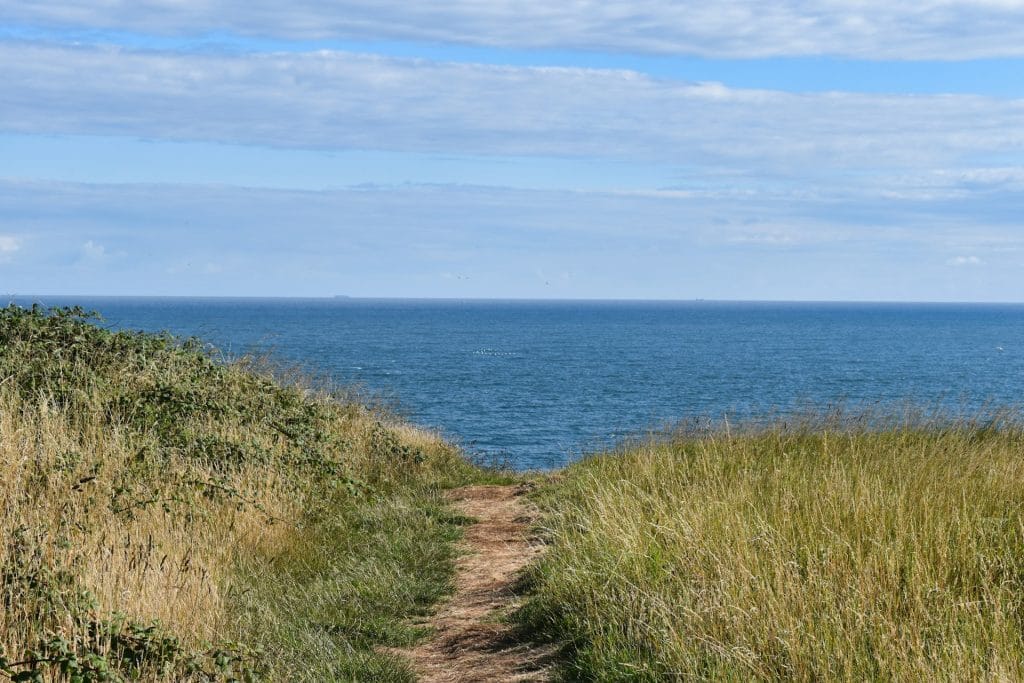
A journey through history
This path threads together centuries of history: Castles perched above the sea, ancient ports that shaped trade and exploration, smugglers’ coves and hidden inlets, wartime defences and forgotten ruins and ship-wrecks.
Walking the path is like moving through a living timeline, where the landscape and the past are inseparable, like an outdoor museum.
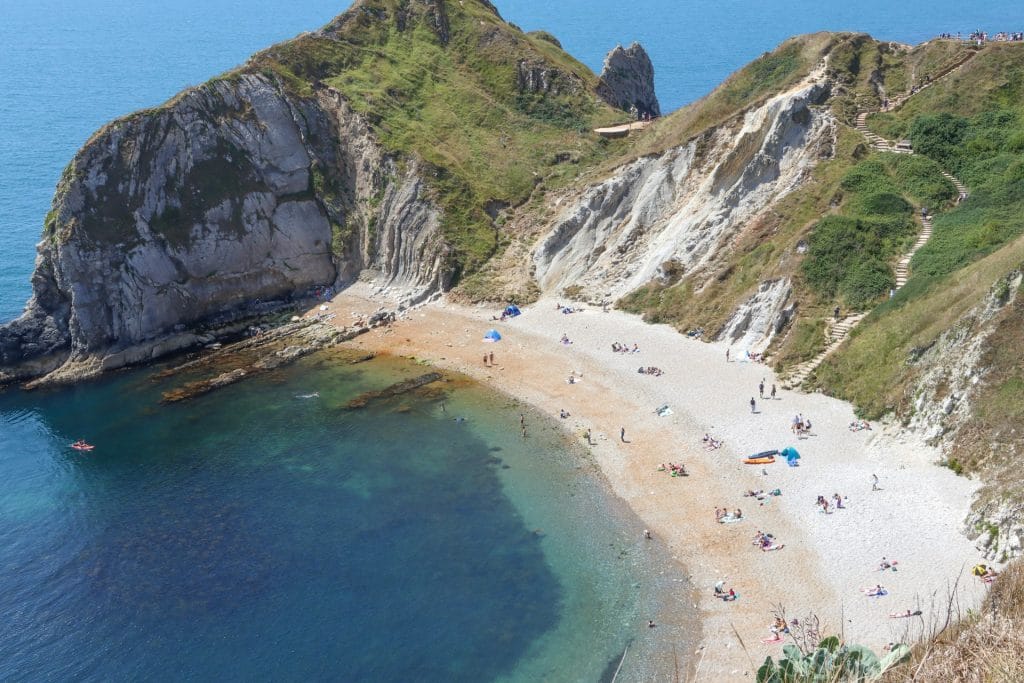
The joy of walking the edge
When you’re walking a coastline, there are no complex routes to navigate and the sea becomes your constant guide and mental absorber, letting your mind rest over wave patterns, light and tidal shifts or seabirds. It’s powerful stuff.
That said, it is not an endurance challenge, it’s a leisurely, enjoyable pause from modern life. A two hour walk anywhere else would feel like a shlep, but not here. You’ll want to turn this walk into a weekend escape, or even a life-long project.
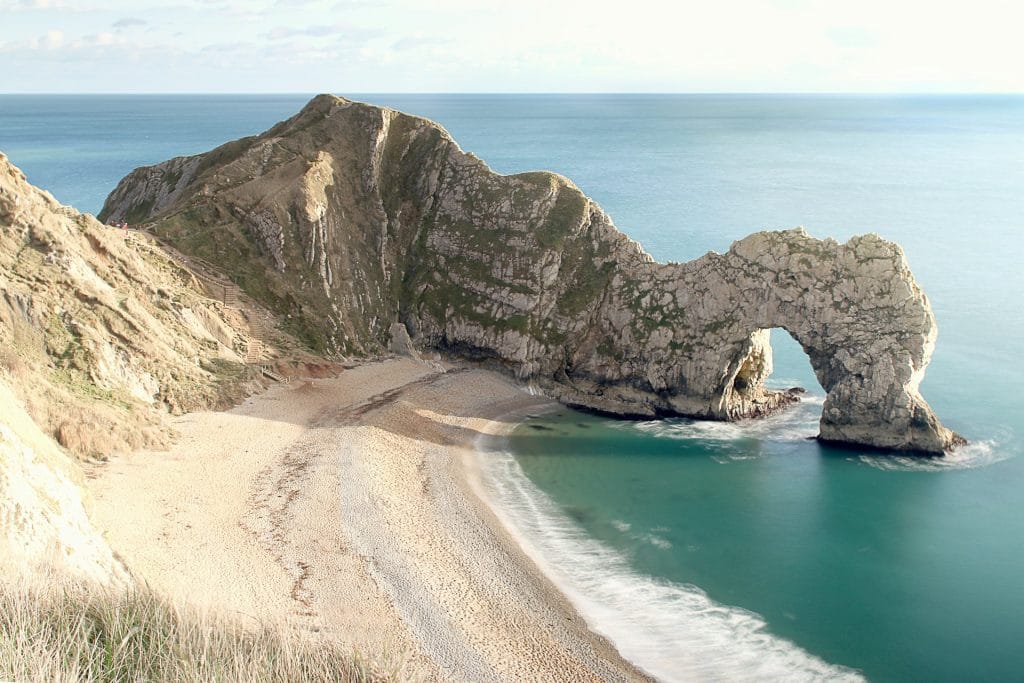
Start with the nearest one to you, or discover some of England’s favourites: For spectacular seascapes try Durdle Door on the Jurassic Coast in Dorset, The White Cliffs of Dover in Kent or Seven Sisters in East Sussex. For wildlife and drama Bempton Cliffs in Yorkshire, Bamburgh Castle in Northumberland or Tintagel in Cornwall. For peace and space Holkham in Norfolk or Dunwich in Suffolk. For ambrosia estuaries head to Salcombe and South Hams.
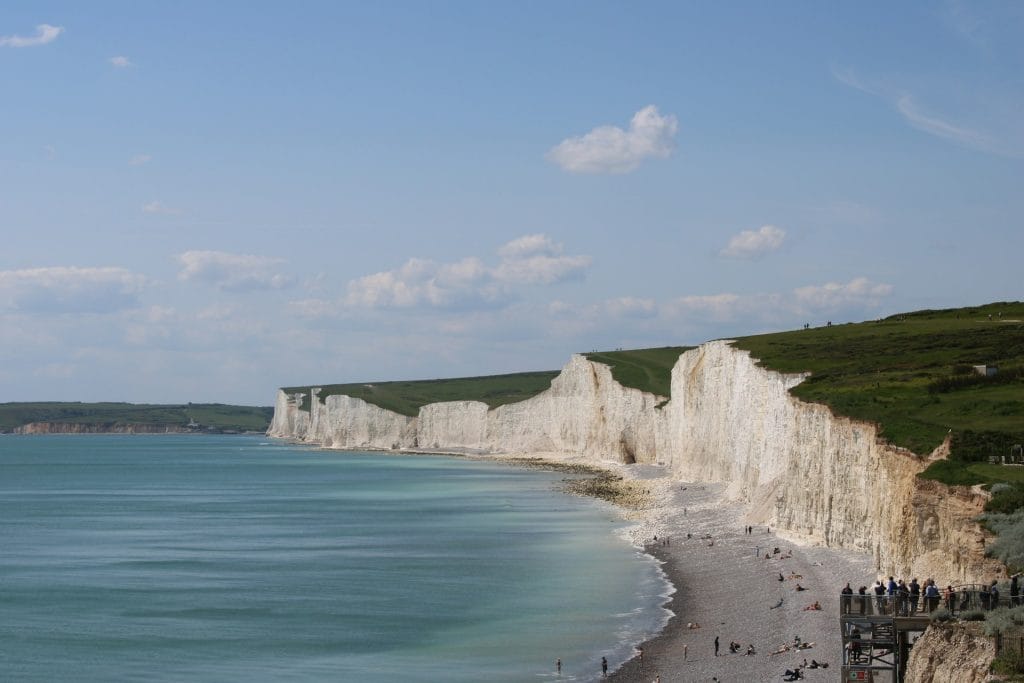
A gift for wellbeing
We talk a lot about wellbeing these days, but often in abstract terms. The King Charles III Coast Path calls us to action and gets us outside, moving.
Walking along the coast isn’t just good exercise—it’s one of the most natural forms of it. No gym memberships. No equipment. Just fresh air, open space, and the steady rhythm of your own steps. The benefits go beyond the physical. Time by the sea has been shown to: Reduce stress, Improve mood, Boost mental clarity and the immune system.
But do you need the science? When you feel it so immediately. You arrive busy and laden and you leave brighter and lighter.
Find a great place to stay near the path!
In the UK we are never more than a single journey from the coast. We don’t have to travel across the world. It’s here, on our doorstep. So don’t miss it. Go and walk the shores of England, at your own pace by staying in one of our fabulous holiday cottages. We list thousands of handpicked coastal holiday homes, creating the ideal base for exploring this remarkable coastal path, because the best way to enjoy the coast is to stay right beside it.