

Trusted source of coastal cottages for over 10 years

Professionally managed and regularly inspected

Book securely with the property manager
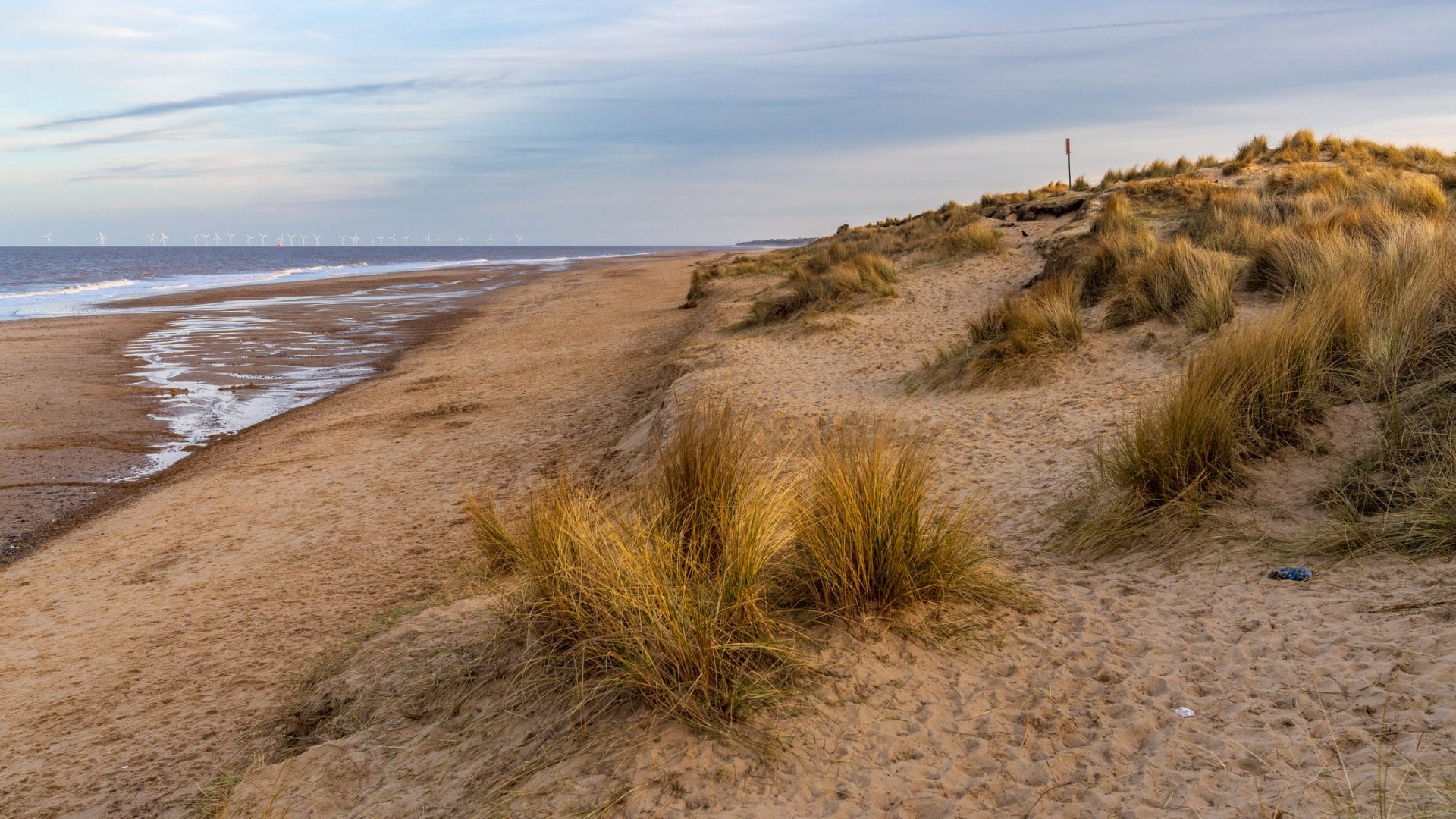
Norfolk is one of the UK’s best places for a dog-friendly coastal getaway – not just because of its wide beaches and big skies, but because it offers the kind of shoreline that’s made for long, unhurried walks. Think sandy bays backed by dunes, pebble beaches with coastal paths, and seaside towns where you can potter between cafés, promenades and harbours without needing to drive everywhere.
That said, Norfolk’s coast is a mix of year-round dog-friendly beaches, seasonal dog bans, and designated dog zones – especially in traditional resort towns where restrictions are introduced during the busiest months. The good news is: once you know what to expect, it’s easy to plan a trip that keeps both humans and dogs happy. To secure suitable accommodation, check out our fabulous collection of dog friendly cottages in Norfolk for rent, many that boast sea views and direct beach access.
Below you’ll find Norfolk’s top towns for a dog-friendly coastal break. For each one, we’ve included:
-
The best local beaches
-
The exact dog restrictions (seasonal bans, lead rules and dog exercise areas)
-
Why the town is great for a self-catering holiday
-
Practical tips to help you enjoy the coast responsibly (especially near wildlife and dunes)
Quick note: Rules can be updated by councils, so always check local signage on arrival – but the restrictions below are based on current published guidance from the relevant authorities (2026).
1) Blakeney - For wildlife, salt marsh walks and coastal scenery
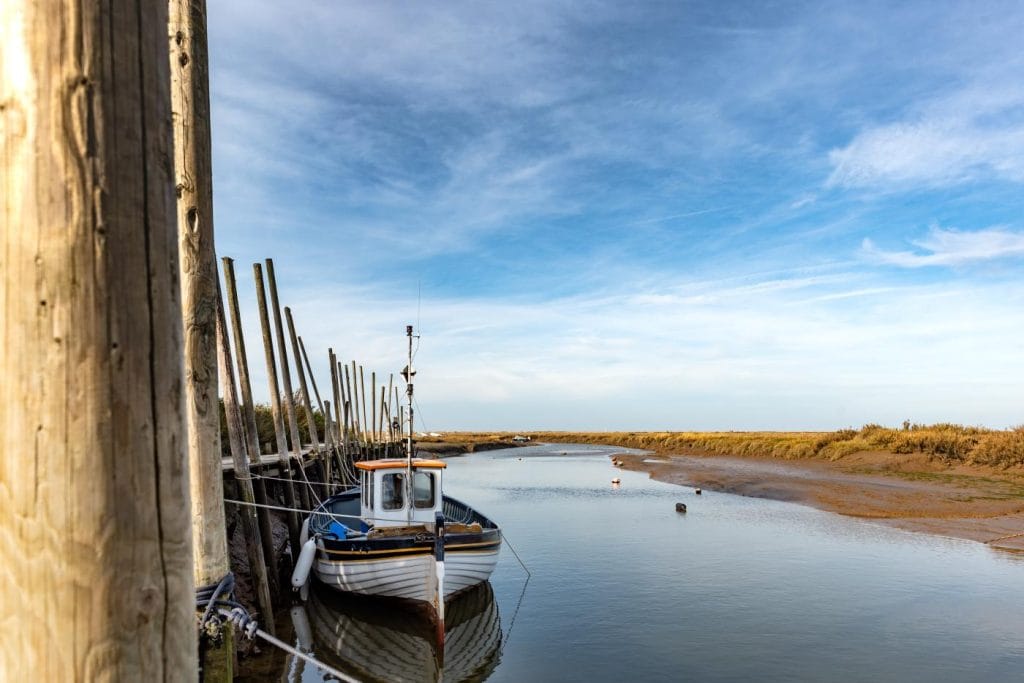
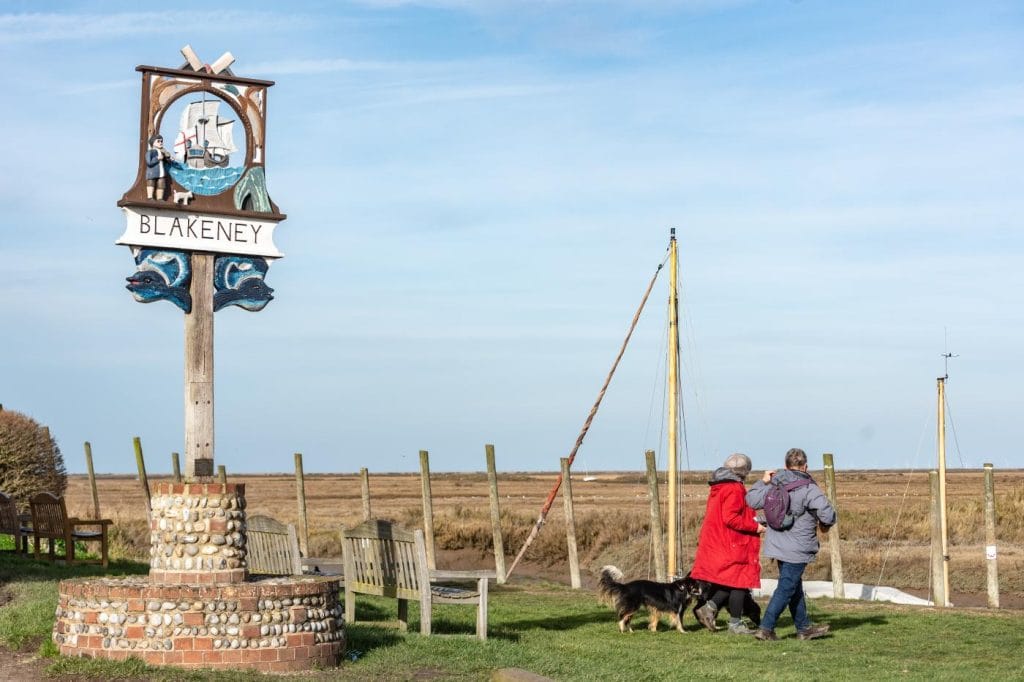
Blakeney is a dream for dog owners who like their coastal breaks quieter and more nature-led. This is a place of salt marshes, sea air, and long shoreline walks — with the added bonus of nearby beaches that feel wonderfully open. It’s also a gateway to one of Norfolk’s most famous wildlife areas, Blakeney Point, which is known for seals and nesting birds.
Why Blakeney suits a self-catering coastal break
Blakeney is perfect for a slower-paced stay. A self-catering cottage works brilliantly here because your “itinerary” can be as simple as: morning coastal walk, long lunch, afternoon nap, sunset stroll. It’s especially good for:
-
Couples and families who want nature and calm
-
Dog owners who prefer quieter beaches
-
Groups who love coastal walks and birdwatching
Best beaches near Blakeney
-
Blakeney Point (via Morston/Blakeney) – a beautiful, wildlife-rich beach area
-
Cley Beach (very close by) – a wide shingle beach often recommended for dog walking in restricted periods
-
Salthouse Beach – another excellent nearby option for long, uncrowded walks
Dog restrictions (Blakeney Point & nearby)
This is one of the most important areas to plan properly because of wildlife protection:
-
Blakeney Point has dog restrictions from 1 April to 15 August each year. The restricted zone is clearly marked by signage across the beach.
-
During that period, guidance suggests walking dogs on Cley Beach instead to reduce disturbance to ground-nesting birds.
-
Outside the main restriction period, dogs are generally welcome, but you’re expected to keep them under close control due to wildlife and seals (especially during pupping season).
2) Cromer – Classic seaside town with seasonal dog rules
Cromer is a traditional seaside town with a proper holiday feel: a pier, promenades, seaside shops and the chance of trying the famous Cromer crab (a Norfolk delicacy). It’s a great base for a self-catering break because everything is within easy reach — but dog owners should be aware that the main beach has seasonal rules.
Why Cromer suits a self-catering coastal break
Cromer is ideal if you want a seaside base where you can:
-
Walk to the beach and promenade
-
Stock up on local food (including seafood)
-
Enjoy easy day trips along the coast
-
It’s also great for mixed groups because you can combine beach walks with cafés, pier views and town exploring
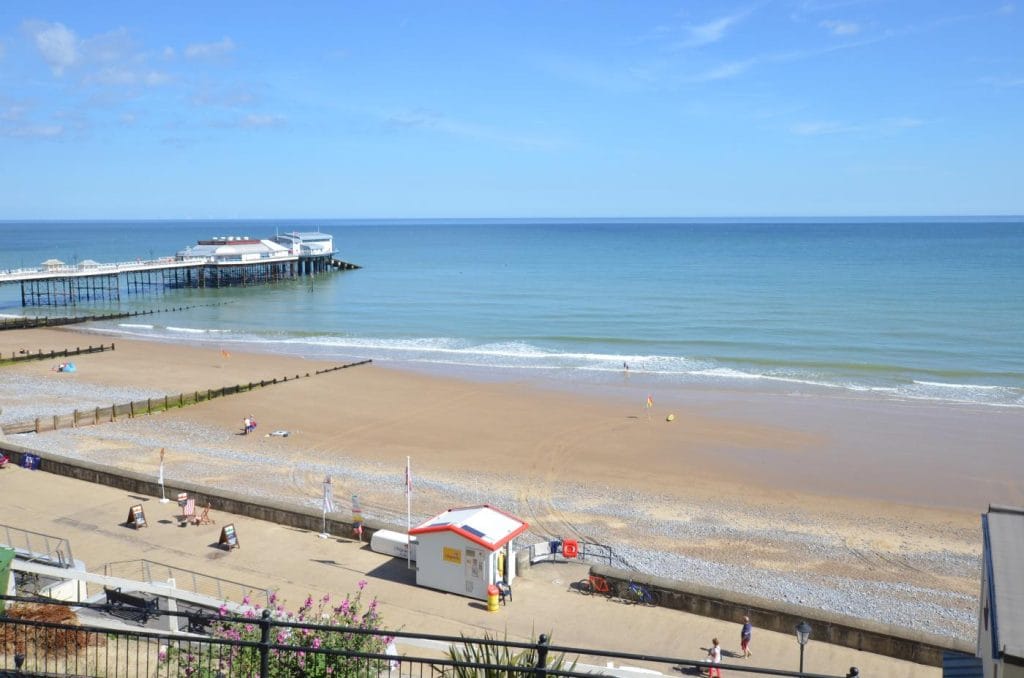
Best beaches in and near Cromer
-
Cromer Beach – sandy/shingle beach by the pier
-
East Runton Beach (nearby) – often quieter and a useful dog-walking alternative
-
West Runton Beach (nearby) – another popular option for coastal walks
Dog restrictions (Cromer Beach)
Cromer sits under North Norfolk District Council’s beach restrictions:
-
Dogs are restricted on Cromer’s main beach between 1 May and 30 September (seasonal dog ban on specified sections, marked on-site).
-
The council guidance also uses clear signage to show areas where dogs are not allowed and where dogs must be kept on leads, depending on the section.
Tip: If you’re visiting in summer, head to the dog-friendly beaches just outside town (like Runton) for easier, restriction-free beach time.

3) Hunstanton – Popular beach, sunsets, and dog restrictions in summer
Hunstanton is one of Norfolk’s most popular seaside towns, and it’s especially loved for its sunsets (a rarity on England’s east coast) thanks to its position facing west. It’s a great choice for a dog-friendly self-catering holiday — but you’ll need to plan around a specific seasonal restriction on Hunstanton’s main beach.
Why Hunstanton suits a self-catering coastal break
Hunstanton is a strong choice for groups and families because:
-
It has a classic seaside layout (easy for everyone)
-
There are plenty of nearby attractions and coastal walks
-
A self-catering base makes sense for longer stays, especially if you plan to explore nearby beaches for dog walking
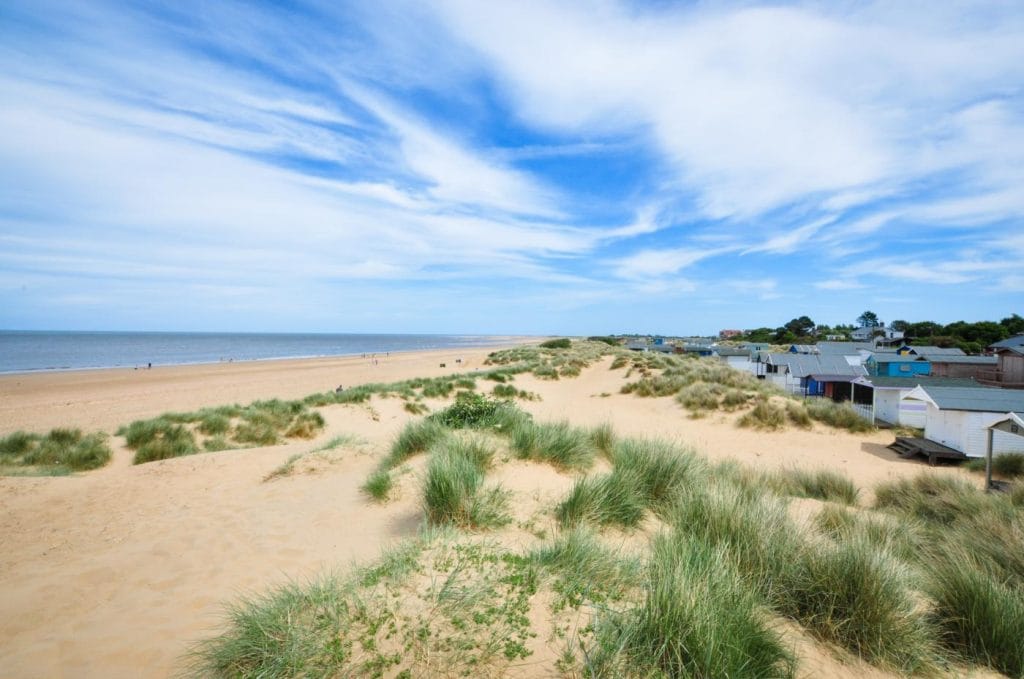
Best beaches in and near Hunstanton
-
Hunstanton Beach – the main seafront beach
-
Old Hunstanton Beach – a favourite for dog owners and often quieter
-
Holme Beach (nearby) – excellent for long, open walks and nature
Dog restrictions (Hunstanton)
According to the Borough Council of King’s Lynn & West Norfolk:
-
Dogs are excluded from Hunstanton beach from 10 April until 31 October.
-
During the same period, dogs must be kept on leads along a section of the promenade in Hunstanton.
What this means for dog owners:
In peak season, many visitors head to Old Hunstanton or nearby beaches for a more straightforward dog-friendly walk, while still enjoying Hunstanton’s town centre.
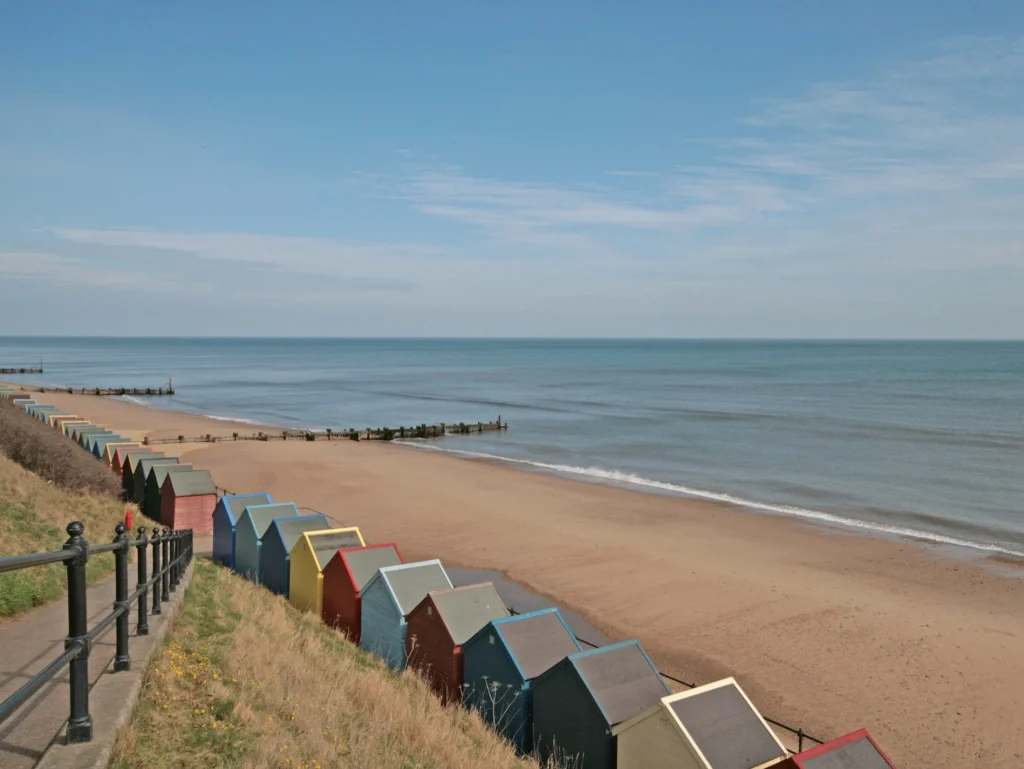
4) Mundesley – A quieter beach with clearly marked summer dog zones
Mundesley often feels calmer than some of the bigger Norfolk resorts, with a wide beach and an easygoing village feel. It’s popular with dog owners — particularly outside peak season — but it does have a defined restricted section in summer.
Why Mundesley suits a self-catering coastal break
Mundesley is perfect for a relaxed cottage holiday where your days revolve around:
-
Beach walks
-
Slow breakfasts
-
Pub lunches and sunset strolls
-
It’s a great pick for dog owners who want a traditional seaside feel without the bustle
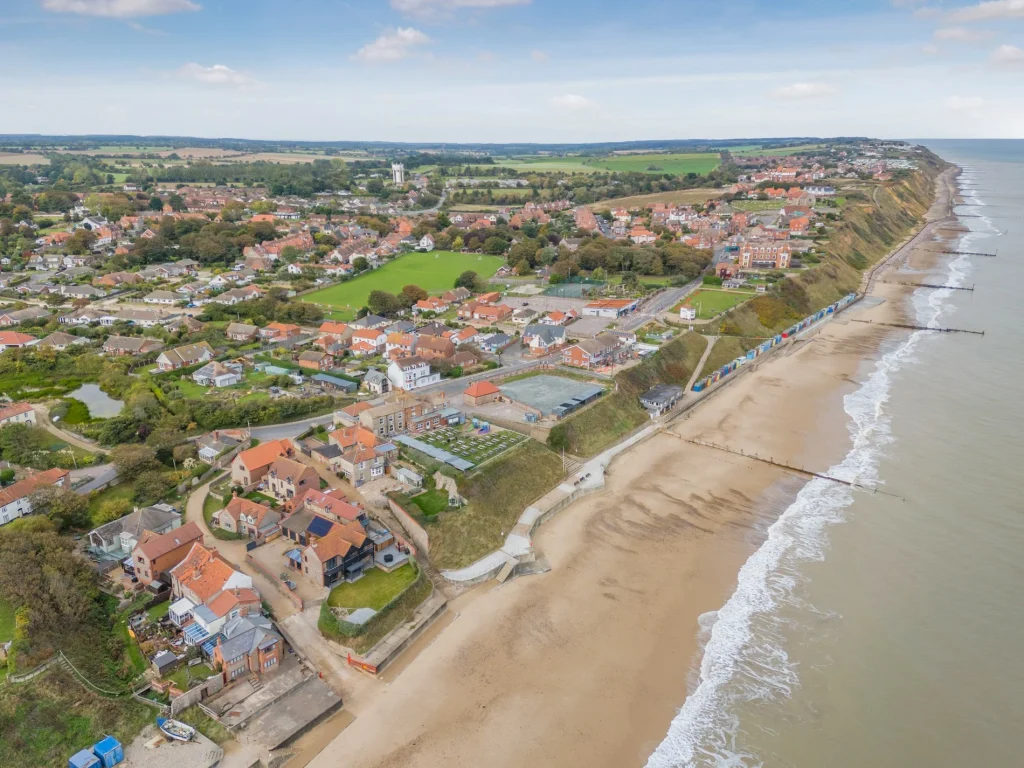
Best beaches in and near Mundesley
-
Mundesley Beach – long sandy/shingle beach with promenade access
-
Bacton Beach (nearby) – often quieter and good for long walks
-
Trimingham/Overstrand areas (nearby) – ideal for variety and coastal exploring
Dog restrictions (Mundesley)
Under North Norfolk District Council rules:
-
Between 1 May and 30 September, there are dog restrictions on certain areas of Mundesley’s beach (with signage marking where dogs are excluded and where leads are required).
-
Outside those dates, restrictions are lifted and dog access is much easier.
In practical terms, many dog owners use the unrestricted sections north or south of the main promenade area in summer (exact boundaries are shown on council signage/maps).
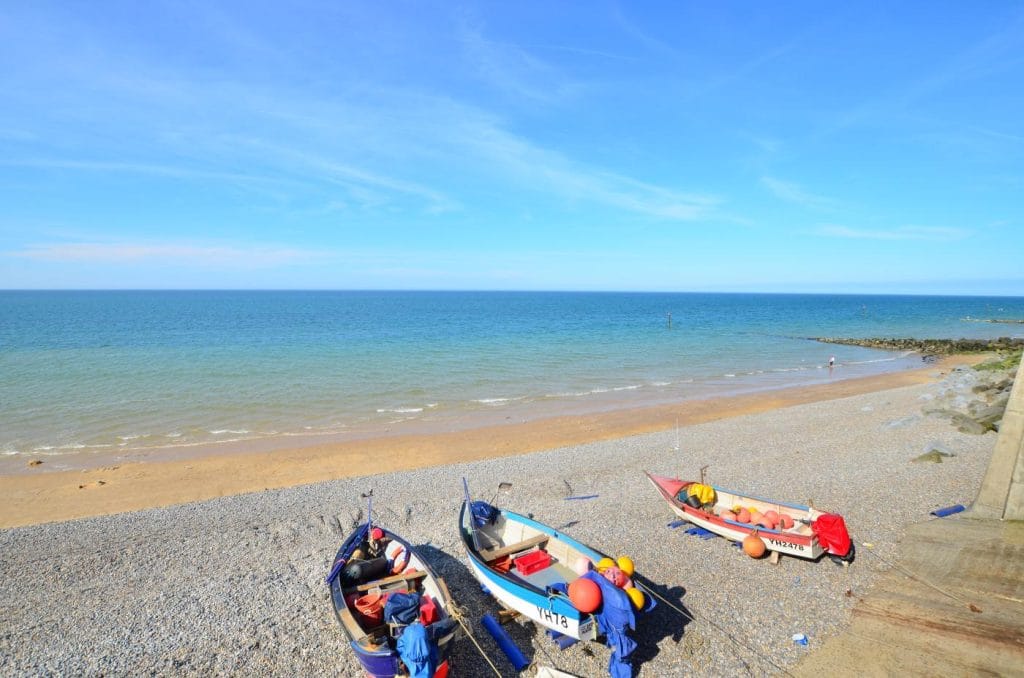
5) Sheringham – A brilliant dog-friendly base
Sheringham is one of North Norfolk’s most likeable seaside towns: walkable, friendly, and a great base for coast path adventures. It also has clear published rules for dogs on the main beach and promenade during the busy season.
Why Sheringham suits a self-catering coastal break
Sheringham works brilliantly for self-catering because:
-
The town is easy to explore on foot
-
There’s a strong food scene and lots of independent spots
-
It’s one of the best bases for coastal path walking
-
You can do short outings or longer day trips without hassle
It’s especially good for dog owners who want a mix of beach time and countryside walks.
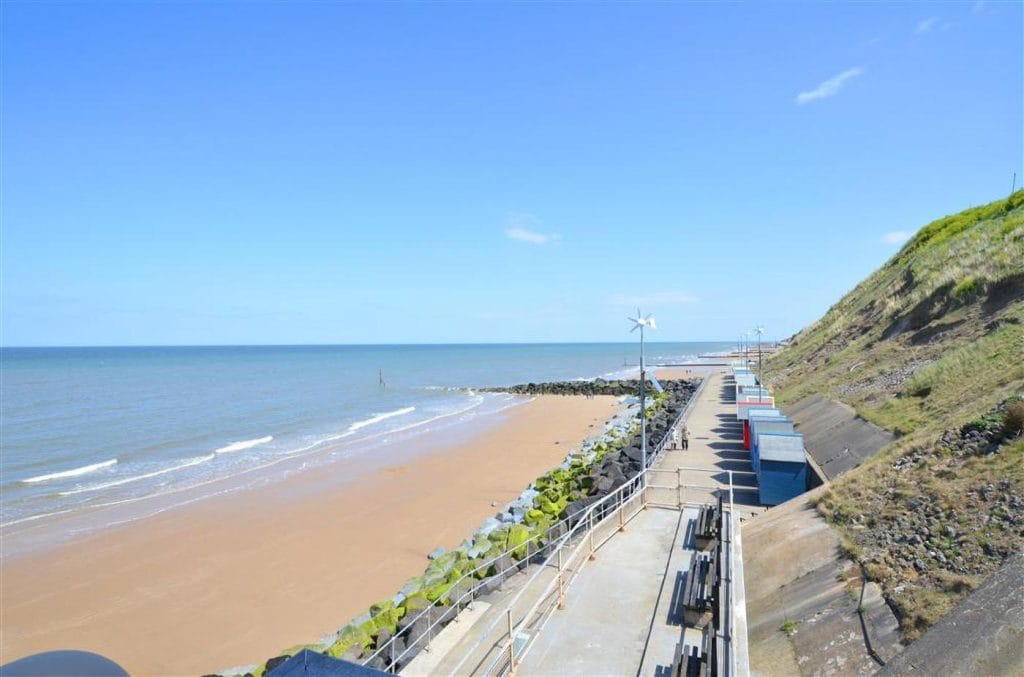
Best beaches in and near Sheringham
-
Sheringham Beach – shingle/sand with great coastal walks
-
West Runton Beach (nearby) – popular for dog walking and fossil hunting
-
East Runton Beach (nearby) – great for long shoreline strolls
Dog restrictions (Sheringham)
North Norfolk District Council states seasonal restrictions:
-
Restrictions apply between 1 May and 30 September on Sheringham Beach and Promenade.
-
On the main beach section between the Lifeboat Station and the start of the beach huts, dogs are not permitted during this period.
-
On the promenade, dogs must be kept on a lead during the same dates.
-
From October to April, these restrictions are lifted.
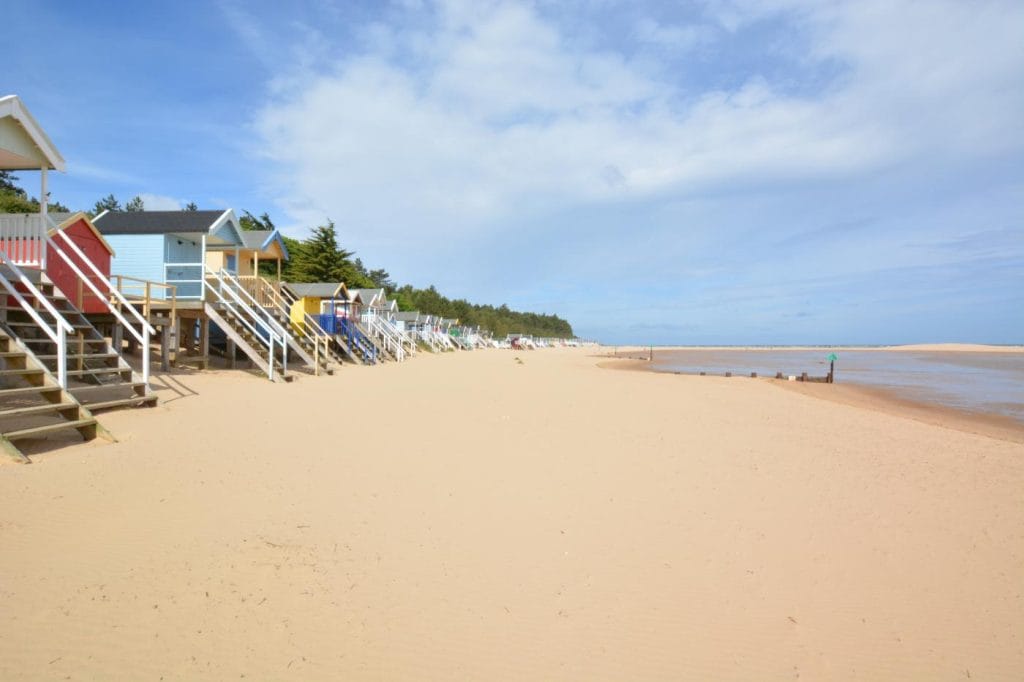
6) Wells-next-the-Sea – One of Norfolk’s best dog-friendly seaside breaks
Wells-next-the-Sea is a standout destination for dog-friendly holidays — thanks to its combination of harbour life, seaside atmosphere, and an iconic beach backed by dunes and pinewoods. It’s a place where a self-catering break makes perfect sense: the town is packed with things to do, and the beach is ideal for long, sandy walks.
Why Wells suits a self-catering coastal break
Wells is ideal for longer stays because:
-
You can walk to the harbour, quay and local shops
-
The beach feels like a true “day out” with dunes and pinewoods
-
A cottage base is perfect for muddy paws, beach towels, and slow evenings
-
It’s a brilliant hub for exploring the wider North Norfolk coast
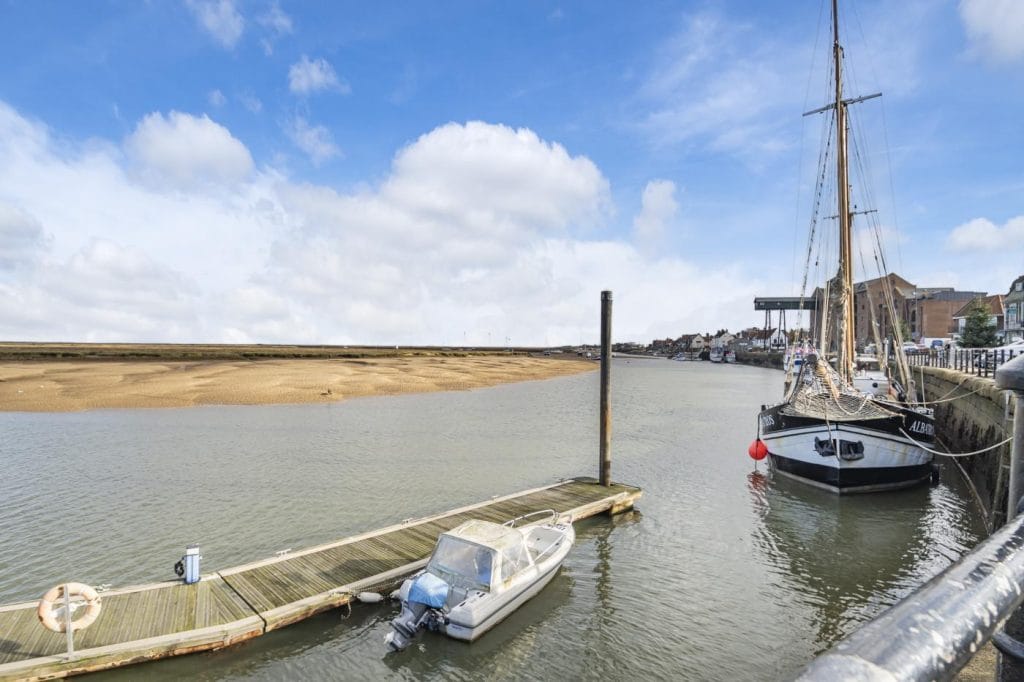
Best beaches in and near Wells-next-the-Sea
-
Wells Beach – famous for its colourful beach huts, dunes and wide sands
-
Holkham Beach (nearby) – huge, open coastline (excellent for long dog walks)
-
Stiffkey/Brancaster areas (within easy reach) – great for coastal exploring
Dog restrictions (Wells Beach)
Wells Beach has a specific year-round dog rule:
-
Dogs are allowed all year round, but there is a designated dog-free zone for the first 200 yards from the main entrance.
-
There are no dog restrictions from the pinewoods entrances, which gives dog owners an easy alternative access point.
-
During nesting season, sections of the beach may be roped off and visitors are asked to keep dogs on leads to protect birds.
-
Dogs should also be kept on leads until they reach the beach, and owners must maintain close control and clean up after them.
7) Weybourne – A dog-friendly favourite with coastal path access
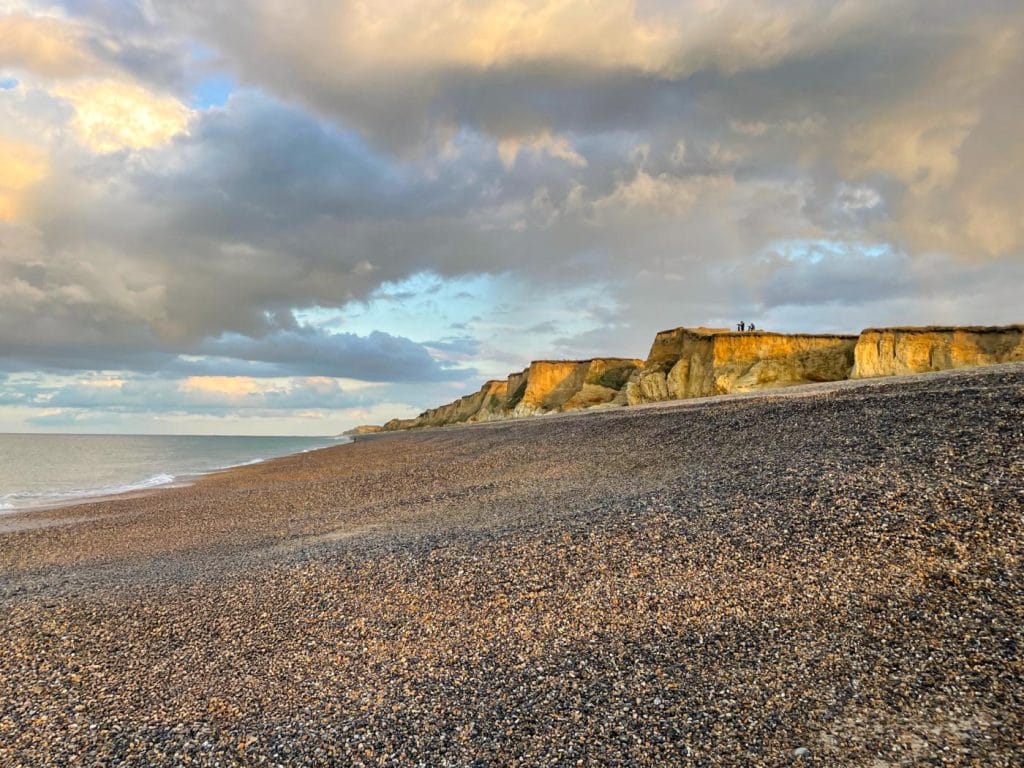
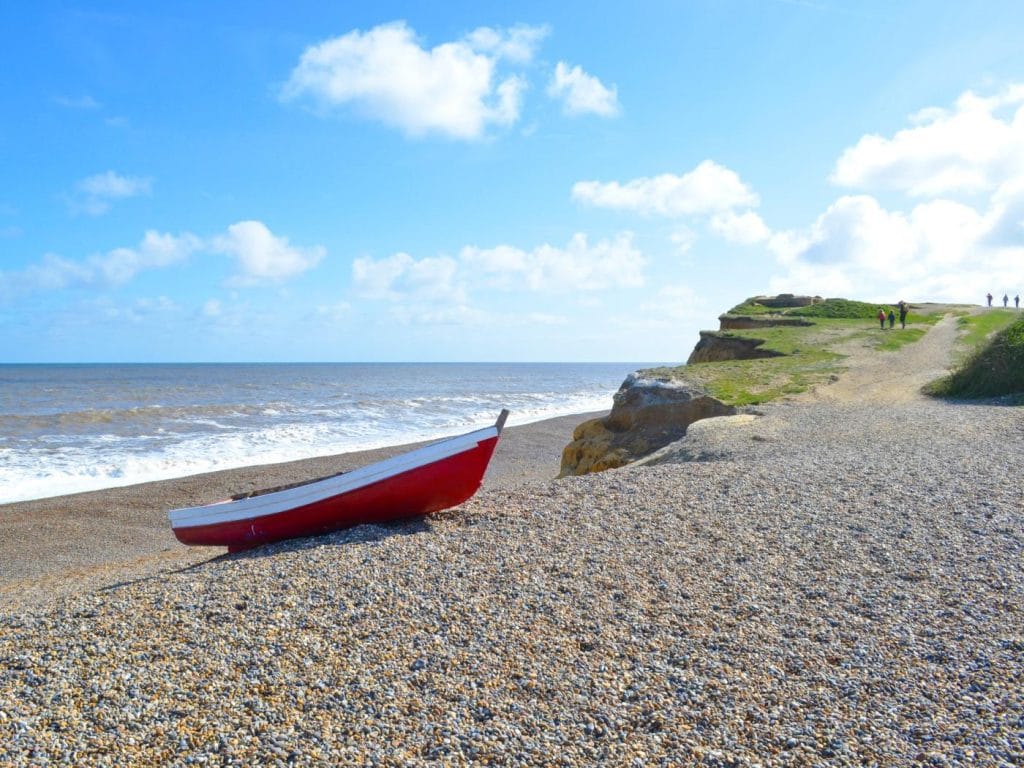
Weybourne is a smaller coastal village that’s perfect for dog owners who want easy beach access and excellent walking routes. The beach here is more pebble-and-shingle than soft sand, but it’s a great spot for peaceful walks, sea air and a slower pace.
Why Weybourne suits a self-catering coastal break
Weybourne is a great base if your ideal holiday looks like:
-
Early morning dog walks
-
Coast path adventures
-
Relaxed afternoons
-
And simple evenings back at your cottage
It’s also a brilliant option if you want to be close to bigger towns (like Sheringham) while staying somewhere quieter.
Best beaches in and near Weybourne
-
Weybourne Beach – pebble/shingle, great for walking and fishing
-
Sheringham & Runton beaches (nearby) – for variety and longer strolls
-
Cley/Salthouse (within reach) – excellent for big open landscapes
Dog restrictions (Weybourne Beach)
Weybourne is widely considered one of the easiest options for dog owners:
-
Weybourne Beach is listed as dog-friendly year round (dogs allowed).
-
As always, you should keep dogs under control near wildlife and other beach users, and check local signs for any temporary restrictions.
Tips for a Smooth Dog-Friendly Norfolk Break
1) Book with beach access in mind
If you’re travelling during May – September, it’s worth choosing a base near beaches with either dog-friendly sections or year-round access (Weybourne is a good option with it’s year round access).
2) Check local signage
In places like Cromer, Mundesley and Sheringham, the most important thing is knowing where the restricted zones start and end. The good news is that these beaches are generally well signposted under council guidance.
3) Be wildlife-aware
Norfolk’s coast is rich in wildlife. If you’re walking near dunes, nesting areas, seals or salt marshes, keep dogs close and follow any seasonal advice (Blakeney Point is a prime example).
4) Choose the right self-catering setup
For dog-friendly stays, it helps to look for:
-
Enclosed garden or patio
-
Outdoor tap/space for rinsing sandy paws
-
Hard floors and utility areas
-
Nearby pubs/cafés that welcome dogs
If you’re considering other UK coastal areas, you may want to take a look at our guide to dog friendly coastal breaks, packed with tips and advice on the best UK locations and beaches for a memorable dog friendly escape.
Norfolk is Perfect for Dog-Friendly Coastal Holidays
From the wildlife-rich shoreline near Blakeney, to the classic seaside buzz of Cromer, the big beach days of Hunstanton, the quieter pace of Mundesley, and the brilliant walkability of Sheringham, Norfolk gives dog owners a real choice of coastal styles.
For many, Wells-next-the-Sea is the standout: vast sands, dunes, pinewoods and clear dog guidance make it one of the easiest and most rewarding seaside destinations to visit with a dog. And if you want a quieter base with easy coastal path access, Weybourne is a brilliant option.
Wherever you choose, Norfolk delivers that perfect dog-friendly combination: space to roam, fresh sea air, and the kind of beaches that make everyone sleep well afterwards.